

Compression Therapy 101: The Foundation of Successful Wound Healing 🩹🦵
Wound care is not only about treating the surface. In many cases, healing depends on improving circulation beneath the skin. When blood flow is compromised, wounds take longer to close and may return repeatedly.
Compression therapy plays a central role in addressing this issue by supporting healthy circulation and reducing pressure in the lower limbs.
🩺 How Compression Supports Blood Flow
Veins in the legs work against gravity to return blood to the heart. When vein function weakens, blood can pool in the lower legs, increasing pressure and slowing oxygen delivery to tissues.
Compression works by gently applying external pressure to the legs. This pressure helps veins push blood upward more efficiently, reducing pooling and improving circulation.
Better blood movement allows oxygen and nutrients to reach the affected area, which is essential for tissue repair. This is why compression therapy wound healing approaches are widely used in vascular care.
💧 Why Swelling Slows the Healing Process
Swelling is a common response to poor circulation. When fluid builds up in the tissues, it creates pressure that interferes with healing.
Excess fluid limits oxygen delivery and makes it harder for the body to repair damaged skin. In chronic wounds, this can lead to prolonged healing times or recurring issues.
By reducing swelling, compression helps restore a more balanced environment where wounds can begin to close properly.
🧦 Types of Compression Used in Treatment
Different forms of compression are used depending on the severity of the condition and the type of wound being treated. Each option is designed to support circulation while maintaining patient comfort.
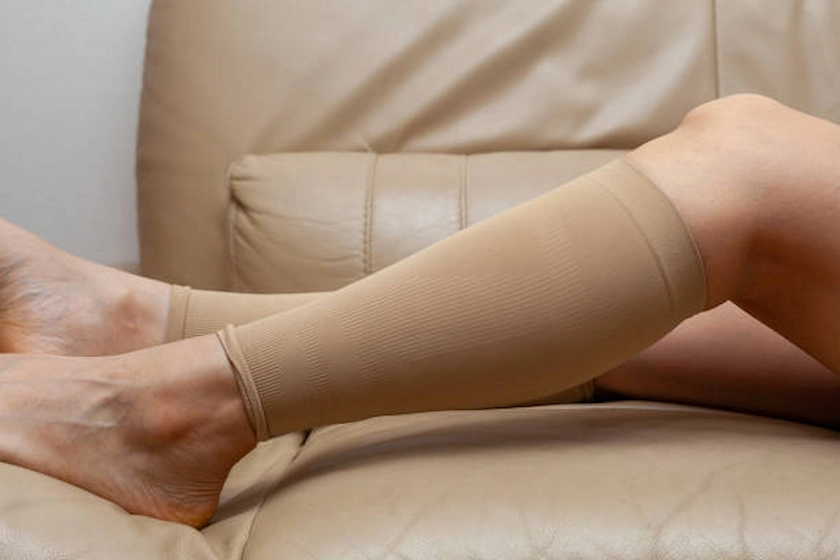
- 🧦 Compression stockings: Provide consistent pressure and are commonly used for daily support and prevention
- 🩹 Compression wraps: Adjustable bandages that offer stronger pressure for active wound treatment
- 🔄 Layered bandaging systems: Used in more advanced cases to control swelling and improve blood flow over time
- 🩺 Medical-grade garments: Prescribed for long-term management of vein-related conditions
Selecting the right type depends on the patient’s circulation status, wound condition, and overall treatment plan.
⚙️ Why Compression Is Essential in Wound Care
Without proper circulation, even advanced wound treatments may not deliver lasting results. Compression addresses the underlying issue by improving how blood moves through the veins.
It also helps maintain consistent pressure around the wound, which supports tissue repair and reduces the risk of fluid buildup.
In many cases, compression is not optional but necessary for effective healing, especially when wounds are linked to vein-related conditions.
🏥 Clinical Role in Vascular Treatment Plans
Medical specialists often include compression as a core part of treatment for chronic wounds and circulation issues. Vein Clinics in Downey evaluate each patient’s condition to determine the appropriate level and type of compression needed.
This approach ensures that treatment targets both the visible wound and the underlying circulation problem. By combining compression with proper medical care, specialists can improve healing outcomes and reduce recurrence.
🌿 Supporting Long-Term Circulation and Recovery
Consistent use of compression can significantly improve recovery and prevent future complications. When blood flow is supported, tissues receive the oxygen needed to heal efficiently.
Over time, reduced swelling and improved circulation contribute to healthier skin and stronger vascular function. Incorporating compression into daily care routines helps maintain these benefits and supports long-term wound stability.

Andy Sharifi
Position