

Why Leg Cuts Heal Slower With Poor Circulation 🩹
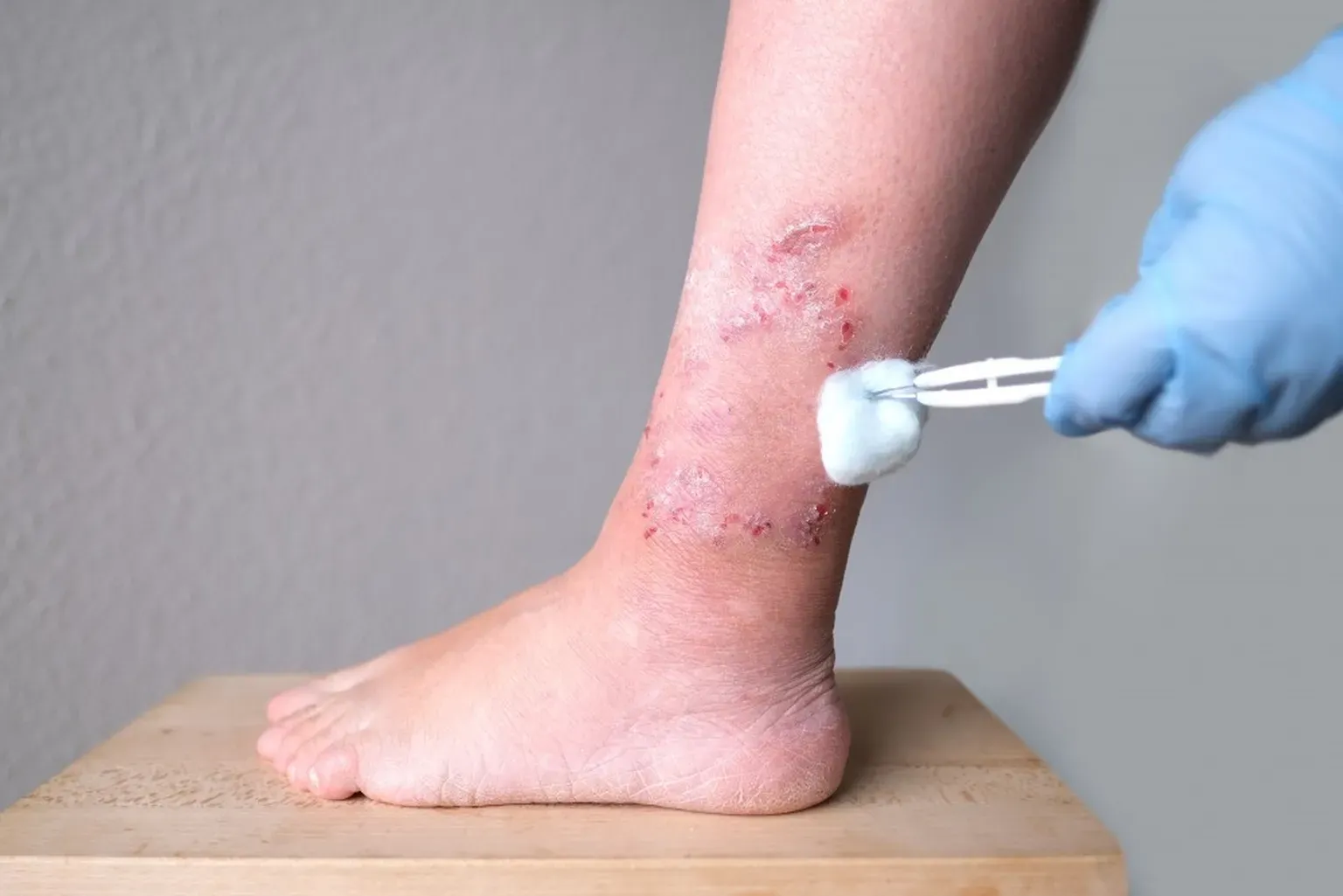
A small cut on the leg may seem harmless at first, but when circulation is impaired, even minor skin injuries can take far longer to heal than expected. What normally closes within days may remain open for weeks, becoming increasingly vulnerable to irritation, infection, and tissue damage.
This slower recovery is often linked to reduced blood flow in the lower limbs. Healthy veins help deliver oxygen, nutrients, and immune support to damaged tissue. When that system becomes less efficient, the body struggles to repair injured skin properly.
🩸 How Circulation Affects Skin Healing
Wound healing depends heavily on blood flow. Oxygen and nutrients carried through the bloodstream help damaged tissue rebuild while supporting the immune system’s ability to control bacteria and inflammation.
When blood flow becomes less efficient, the skin receives fewer nutrients and less oxygen needed for proper recovery. This issue is especially common in the lower legs, where blood must travel upward against gravity to return toward the heart.
Conditions linked to impaired venous function can create pressure buildup and fluid retention that interfere with normal healing processes.
⚠️ Why Lower Legs Are More Vulnerable
The lower limbs are already under greater circulatory pressure than many other parts of the body. When vein valves weaken or blood begins pooling, tissue health gradually declines.
This reduced blood flow affects how the skin responds after injury. Even a small scratch or cut may heal slowly because the surrounding tissue is not receiving enough oxygen and nutrients to repair itself efficiently.
In people with vein disease, ongoing vascular pressure can weaken skin integrity over time, making injuries more difficult to repair.
🧬 What Happens During Delayed Healing
Healthy healing occurs in stages: clotting, inflammation control, tissue rebuilding, and skin closure. Restricted blood flow can interfere with several parts of this process at the same time.
Reduced oxygen slows tissue regeneration, while trapped fluid increases inflammation and skin stress. The longer a wound remains open, the more vulnerable it becomes to complications.
This is one reason slow healing wounds should never be ignored, especially when they repeatedly occur on the lower legs or ankles.
🦠 Increased Risk of Infection
Open skin creates an entry point for bacteria. When blood flow is impaired, immune cells may not reach the injured area effectively, reducing the body’s ability to fight infection.
Signs of infection may include:
- Increased redness or warmth
- Swelling around the wound
- Drainage or odor
- Worsening pain
- Delayed closure of the skin
Poor healing combined with infection can significantly increase the risk of long-term tissue damage.
🚨 How Minor Injuries Can Become Chronic Wounds
When blood flow problems persist, wounds may stop moving through the normal healing stages. Instead of closing gradually, the affected skin can remain irritated, fragile, and slow to recover.
Over time, repeated tissue breakdown may develop into ulcers, especially around the ankles or lower calves. These chronic wounds are often painful, difficult to heal, and more likely to return if the underlying venous condition is not properly addressed.
🦵 Other Symptoms That May Accompany Slow Healing
Delayed skin recovery is often not the only sign of circulation dysfunction. Many people also notice symptoms such as heaviness, swelling, aching, skin discoloration, or visible enlarged veins.
These symptoms suggest that vascular pressure may already be affecting surrounding tissue health and overall skin repair ability.
- Persistent swelling around ankles or calves
- Tight or heavy sensations in the legs
- Skin discoloration near the lower limbs
- Enlarged visible veins
- Recurring irritation or slow skin recovery
These warning signs often appear together as vein conditions become more severe.
🔍 Why Early Evaluation Matters
Slow-healing cuts are not always linked to vascular problems alone, but ongoing recovery issues should never be ignored. When blood flow remains impaired for extended periods, tissue becomes more vulnerable to infection, chronic wounds, and long-term skin damage.
Identifying underlying vascular problems early can help improve healing conditions and reduce the likelihood of more serious complications developing over time.
Andy Sharifi
Position