
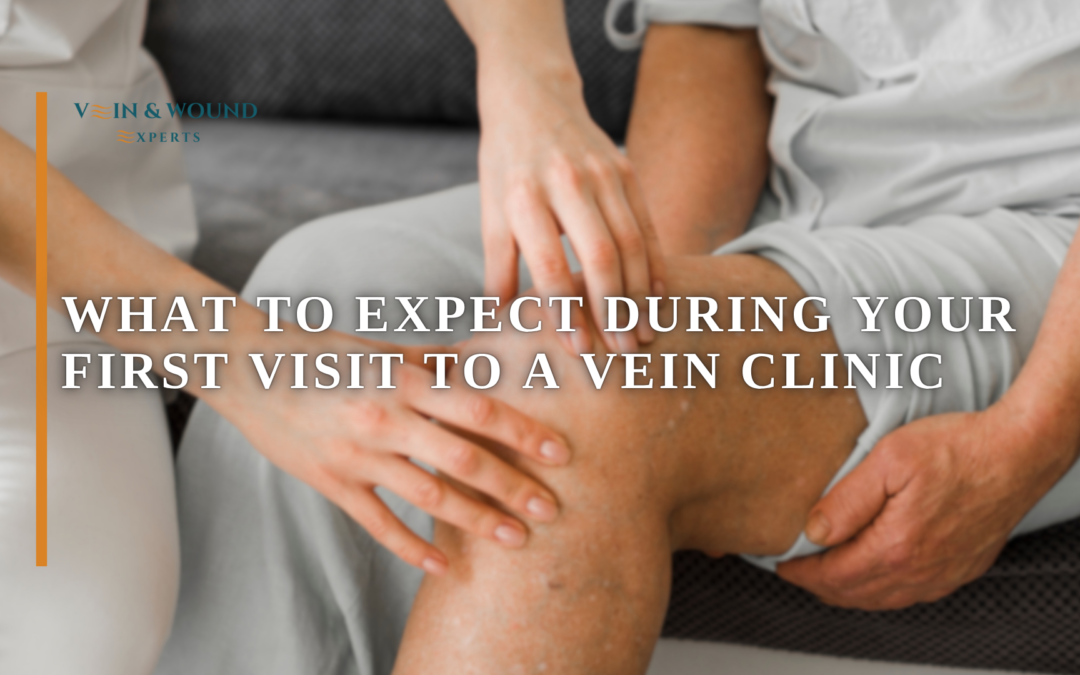
What to Expect During Your First Visit to a Vein Clinic 🩺
Leg heaviness at the end of the day, visible varicose veins, skin discoloration, or slow-healing ulcers—these are not minor inconveniences. They are clinical signals of venous dysfunction that often worsen over time. Many patients arrive at their first consultation anxious, expecting pain or complicated procedures. In reality, a properly structured evaluation is straightforward, informative, and often relieving. As a phlebologist with years of hands-on experience, I can say that a well-conducted first visit to a vein clinic sets the foundation for accurate diagnosis and efficient recovery.
How to Prepare for Your First Visit to a Vein Clinic 📋
Preparation does not require much effort, but it significantly improves the quality of your consultation. A visit to a vein clinic is focused on identifying patterns—symptoms, lifestyle factors, and medical history all matter.
Bring information about previous treatments, current medications, and any chronic conditions such as diabetes or hypertension. Wear comfortable clothing that allows easy access to your legs. Avoid applying heavy lotions, as they can interfere with ultrasound imaging.
Patients often underestimate how valuable symptom timelines are. When did swelling begin? Is discomfort worse after standing? These details help your doctor move quickly toward an accurate diagnosis.
What Happens During the Initial Evaluation 🔍
The first step during your first visit to a vein clinic is a detailed conversation. This is not a formality—it is a diagnostic tool. A skilled specialist listens for patterns that indicate venous insufficiency, valve dysfunction, or circulation issues.
Next comes a physical examination, focusing on visible veins, skin condition, and areas of tenderness. However, the most critical component is duplex ultrasound. This non-invasive imaging allows the physician to see blood flow in real time, detect reflux, and map problematic veins with precision.
This stage is painless and typically completed within a short time, yet it provides the most valuable insights for treatment planning.
Personalized Treatment Planning After Diagnosis 💡
Once the evaluation is complete, your doctor will explain the findings in clear, practical terms. A vein specialist never leave you confused about your condition.
Treatment recommendations are tailored to your specific case. For some patients, lifestyle adjustments and compression therapy are sufficient. Others may benefit from minimally invasive procedures such as laser therapy or sclerotherapy.
The key principle is precision. Treating the exact source of venous dysfunction leads to faster recovery and reduces the likelihood of recurrence.
Common Concerns Patients Have Before Their First Appointment ❗
It is normal to feel uncertain, especially if you associate vein treatment with surgery. Modern care has changed that perception.
Here are the most frequent concerns I hear:
- ⚠️ Fear of pain during procedures
- ⚠️ Worry about long recovery times
- ⚠️ Uncertainty about diagnosis accuracy
In practice, most treatments today are minimally invasive, performed on an outpatient basis, and require little to no downtime. Addressing these concerns early helps patients approach treatment with confidence.
Why Early Evaluation Makes a Measurable Difference ⏳
Delaying a visit to a vein clinic often allows the condition to progress from mild discomfort to chronic disease. Venous insufficiency can lead to skin thickening, pigmentation changes, and ulcers that are significantly harder to treat.
Early evaluation simplifies everything. It shortens treatment duration, reduces costs, and improves long-term outcomes. Patients who act early often avoid invasive interventions altogether.
Building Trust With Your Vein Specialist 🤝
Effective communication, transparency about treatment options, and realistic expectations are signs of a competent specialist. When these elements are present, patients are more likely to follow through with care and achieve better results.
Your first step into vein care should not feel overwhelming. With the right approach, it becomes a turning point—one that leads to relief, recovery, and a return to normal daily life.
Andy Sharifi
Position