

How to Choose the Right Vein Doctor for Effective Recovery 🩺
Pain, swelling, visible veins, or slow-healing ulcers are not just cosmetic concerns—they are often signs of progressive vascular disease. Many patients delay care for years, assuming discomfort is “normal with age,” but untreated vein conditions can lead to complications such as chronic inflammation, skin damage, and even blood clots. As a practicing phlebologist, I’ve seen how the right specialist can dramatically shorten recovery time and restore quality of life. Choosing that specialist, however, requires more than a quick online search.
Why Choosing the Right Veins Doctor Impacts Recovery Speed ⚡
Vein disorders are complex and demand precise diagnosis. Not every physician who treats veins has the same level of training or access to advanced technology. A well-qualified veins doctor evaluates not just symptoms, but the underlying cause—whether it’s valve dysfunction, venous reflux, or circulatory compromise.
Recovery depends on this accuracy. When treatment targets the root problem, patients experience faster healing, reduced recurrence, and fewer complications. In contrast, incomplete or outdated approaches may only provide temporary relief.
Key Qualifications to Look for in a Vein Specialist 🎓
When evaluating a veins doctor, focus on measurable expertise rather than general reputation. Look for:
- 📌 Board certification in vascular medicine, surgery, or phlebology
- 📌 Extensive experience with minimally invasive procedures
- 📌 Use of modern diagnostic tools such as duplex ultrasound
- 📌 Ongoing education in evolving vein treatment methods
A vein specialist who consistently works with vein disease develops a deeper clinical intuition—this often translates into better outcomes.
Modern Treatments That Improve Recovery Outcomes 💡
Treatment has advanced significantly over the past decade. Patients no longer need to rely on invasive surgery with long recovery periods. Today’s leading methods include endovenous laser therapy, radiofrequency ablation, and sclerotherapy.
These techniques are designed to minimize downtime while maximizing effectiveness. The right veins doctor will recommend a personalized plan based on your condition, lifestyle, and medical history—not a one-size-fits-all solution.
Communication and Patient-Centered Care Matter 🤝
Technical skill alone is not enough. A good veins doctor listens carefully, explains findings clearly, and involves you in treatment decisions. Patients aged 40–60 often have overlapping health concerns, so coordination of care becomes essential.
Pay attention to how the doctor answers questions. Do they explain risks and benefits in plain language? Do they set realistic expectations for recovery? Clear communication reduces anxiety and helps patients follow treatment plans more effectively.
Warning Signs You May Need a Better Specialist 🚩
Sometimes patients begin treatment but see little progress. This may indicate the need for a second opinion. Consider reevaluating your choice if:
- ⚠️ Symptoms persist or worsen after treatment
- ⚠️ Diagnosis was made without proper imaging
- ⚠️ Treatment options were limited or not explained
A skilled veins doctor will reassess your condition and adjust the strategy accordingly.
The Role of Early Intervention in Long-Term Health ⏳
Delaying care often leads to more complex conditions such as venous ulcers or chronic venous insufficiency. Early treatment not only improves recovery time but also prevents long-term damage to skin and underlying tissues.
Patients who seek help at the first signs—aching legs, swelling, or visible varicose veins—typically require less aggressive treatment and recover more quickly.
Making a Confident, Informed Decision 🧠
Choosing the right veins doctor is ultimately about trust, expertise, and results. Focus on qualifications, modern treatment capabilities, and the doctor’s ability to tailor care to your specific needs. When these elements align, recovery becomes faster, smoother, and more sustainable.
Your veins play a critical role in overall health. Giving them the attention they deserve is not just a medical decision—it’s an investment in long-term well-being.
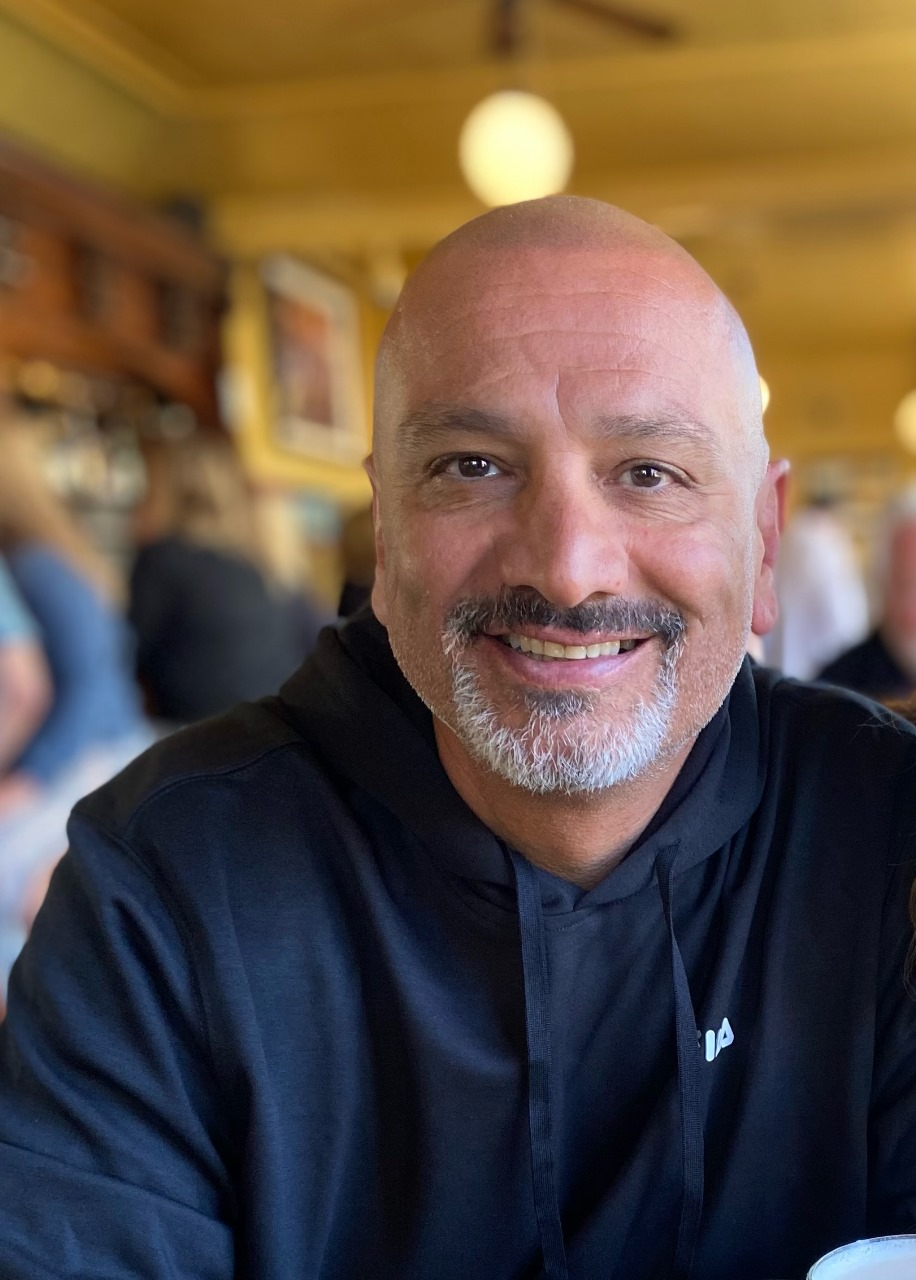
Andy Sharifi
Position