

Vein Clinic vs. General Doctor: Who Treats Varicose Veins?
Not every aching or swollen leg needs a vein specialist. Sometimes the best place to start is with your regular doctor, especially when you are dealing with a new or unexplained symptom. But if visible veins keep getting worse, swelling keeps returning, or your legs regularly feel heavy and uncomfortable, a more focused evaluation may be useful. Knowing who to see can help you get the right answers without unnecessary delays.
🩺 Vein Clinic vs. General Doctor: What Is the Difference?
A primary care doctor or general physician looks at your overall health. They can evaluate a wide range of symptoms, review your medical history, identify possible causes, and determine whether you may benefit from seeing a specialist.
A vein specialist focuses specifically on conditions affecting the veins and circulation. This can be particularly helpful when symptoms suggest an ongoing problem with how blood moves through the legs. Neither type of care is automatically better. They serve different purposes, and in many cases, they can work together.
👨⚕️ Who Treats Varicose Veins?
Varicose veins can be evaluated by a general doctor, but a specialist may be appropriate when the veins are persistent, symptomatic, or associated with other changes in the legs. A general physician can assess whether your symptoms may be related to a vein problem and provide an initial evaluation or referral. A specialist can then perform a more focused assessment when needed and discuss procedures or other treatment options.
If the concern is mainly cosmetic, the approach may also differ from care for veins that are causing pain, swelling, skin changes, or other symptoms.
🚩 When Should You See a Vein Specialist?
You do not need to wait until your symptoms become severe.
Consider seeking specialized care when you notice recurring or worsening symptoms such as:
- Persistent leg pain or aching
- Swelling around the ankles or lower legs
- Heaviness or fatigue that increases throughout the day
- Enlarged veins that continue to become more noticeable
- Itching or irritation around affected areas
- Skin discoloration or changes in texture
- Symptoms that worsen after prolonged sitting or standing
These signs do not automatically mean you have a vein disorder. However, when they continue or interfere with everyday activities, a focused vein diagnosis can help determine what is actually causing them.
🩻 What Happens During a Specialized Evaluation?
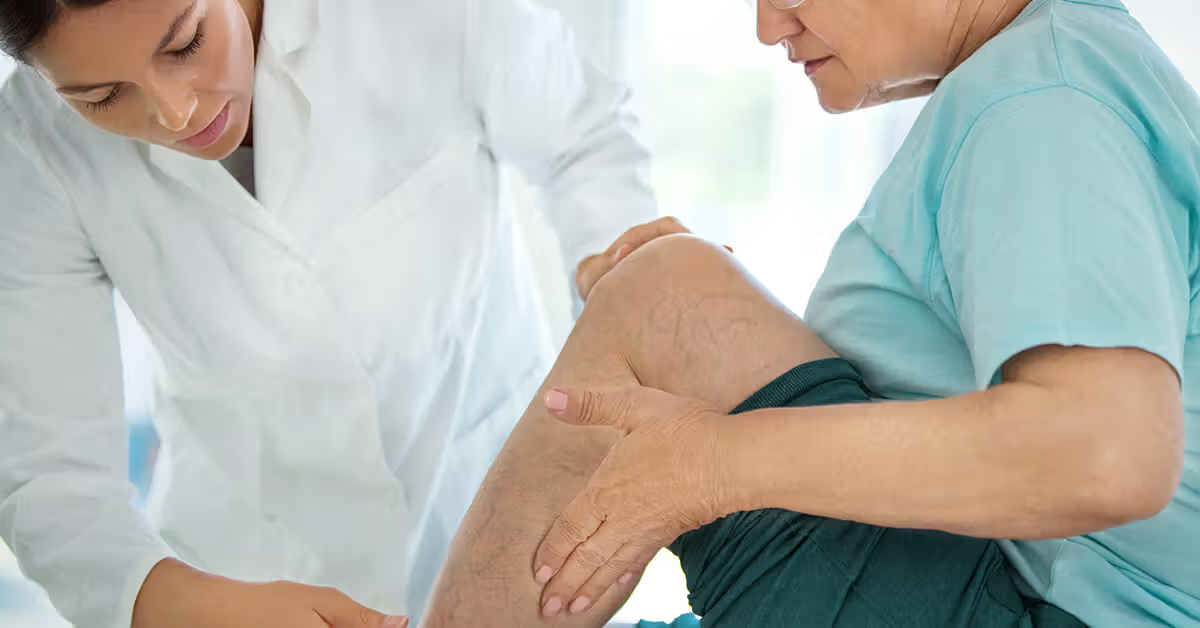
A vein appointment typically begins with questions about your symptoms, health history, and how your legs feel throughout the day. The specialist may examine your legs for visible vessels, swelling, skin changes, and other signs that could point toward a circulation problem.
When clinically appropriate, a venous ultrasound can provide more information. This noninvasive test allows the provider to assess blood flow and see whether the valves inside the veins are functioning properly. If blood is flowing backward because the valves are not closing effectively, this may indicate venous insufficiency. Identifying this underlying problem is important because the visible veins may not be the only issue that needs attention.
🔎 Why Symptoms Matter More Than Appearance Alone
A vein can look prominent without causing a serious problem, while another patient may have relatively subtle visible changes but significant symptoms. For example, recurring leg swelling or heaviness may indicate that blood is not returning efficiently from the lower legs. Skin changes around the ankles can also be a sign that a circulation problem has been present for some time. This is why a specialist does not simply treat what is visible. The goal is to understand what is happening inside the veins before deciding whether vein treatment is appropriate.
⚖️ General Physician vs. Vein Specialist
|
Primary Care Doctor |
Vein Specialist |
|
Evaluates your overall health and a broad range of symptoms |
Focuses specifically on vein-related conditions |
|
Can investigate new or unexplained leg symptoms |
Provides a more focused assessment of vein function |
|
Can determine whether specialist care may be appropriate |
Can use specialized testing when clinically indicated |
|
May provide a referral when needed |
Can discuss vein-specific treatment options |
Starting with your regular doctor is completely reasonable when you are unsure about the cause of your symptoms. Going directly to a specialist may also make sense when your symptoms clearly involve recurring vein-related concerns.
💡 When Is Specialized Care Especially Helpful?
A doctor for varicose veins may be worth considering when the problem is no longer simply about appearance. If your veins are accompanied by persistent swelling, discomfort, heaviness, itching, or skin changes, there may be more happening beneath the surface. A specialist can investigate whether an underlying circulation issue is contributing to those symptoms.
Specialized care can also be helpful when conservative measures have not improved your symptoms or when visible veins continue to progress.
🧭 What Does a Vein Clinic Do?
A vein clinic provides focused evaluation and care for conditions affecting the veins. Depending on your symptoms and diagnosis, this may include assessment of visible veins, ultrasound testing, conservative management, or minimally invasive procedures. The goal is not to recommend a procedure to every patient. In some cases, lifestyle measures or monitoring may be appropriate. In others, treatment may be considered because an underlying vein problem is affecting circulation or causing persistent symptoms. The recommendation should be based on your individual findings.
📍 Get Your Vein Symptoms Checked
You do not have to figure out on your own whether recurring leg symptoms are simply part of everyday fatigue or something that deserves specialized attention. If you are in Downey, CA, or the surrounding areas and continue to experience swelling, discomfort, heaviness, visible veins, or skin changes, Vein & Wound Experts can provide a focused evaluation to help identify the cause.
Schedule a vein evaluation today and get a clearer picture of what is happening with your legs.
❓ Frequently Asked Questions
Should I see a general doctor or vein specialist for varicose veins?
Either can be an appropriate starting point. A general doctor can evaluate your overall health and determine whether your symptoms may require specialized care, while a vein specialist can provide a more focused assessment when the problem appears to involve the veins.
Can my primary care doctor treat varicose veins?
A primary care doctor can evaluate the condition and may provide initial management or refer you to a specialist when appropriate. If the veins are persistent, symptomatic, or associated with suspected circulation problems, specialized evaluation may provide additional information about treatment options.
When should I see a vein specialist?
Consider an evaluation if visible veins are accompanied by recurring swelling, pain, heaviness, itching, skin changes, or other persistent symptoms. You should also seek specialized care if the problem is worsening or affecting your daily activities.
What does a vein clinic do?
A vein clinic focuses on diagnosing and managing conditions affecting the veins. Evaluation may include a physical examination, symptom assessment, and venous ultrasound when appropriate, followed by recommendations based on the underlying problem.
Andy Sharifi
Position
START YOUR VEIN TREATMENT TODAY
Take the first step toward healthier, more comfortable legs. Schedule your consultation today and discover the vein treatment options that suit you best.