

Minimally Invasive Varicose Vein Treatment Options
The days of automatically needing surgery to deal with troublesome leg veins are largely behind us. Many vein problems can now be treated through small access points or injections, without traditional vein removal. But having a less invasive procedure does not mean every treatment works for every patient. The right choice depends on which veins are affected, how they are functioning, and what your evaluation shows.
🩺 Minimally Invasive Varicose Vein Treatment: What Does It Mean?
A minimally invasive procedure treats an abnormal vein without the larger incisions associated with traditional surgery. Depending on the technique, treatment may involve a small catheter or a series of injections. These approaches are often performed in an outpatient setting and may involve less disruption to surrounding tissue than open surgery. Recovery can also be easier for many patients, although the experience varies depending on the procedure and the extent of treatment.
The important thing is that the procedure is selected based on the underlying vein problem, rather than simply how visible the veins appear.
🔥 Radiofrequency Ablation for Larger Problem Veins
Radiofrequency ablation uses controlled heat to close an abnormal vein from the inside. A thin catheter is guided into the affected vessel, and radiofrequency energy is delivered to the vein wall. Once the vein closes, blood can be redirected through healthier veins. This approach is commonly considered when faulty valves are allowing blood to flow backward, contributing to symptoms and enlarged veins. It may therefore be appropriate for patients whose visible veins are connected to an underlying circulation problem.
What can recovery involve?
Because the procedure uses a small access point rather than a large surgical incision, recovery may be more manageable than traditional vein surgery. Patients can often begin walking soon after treatment, although activity recommendations and recovery vary between individuals.
💉 Sclerotherapy for Smaller Visible Veins
Sclerotherapy uses an injected solution to close selected blood vessels. The treated vessels gradually fade as the body processes them. It is commonly used for smaller varicose veins and spider veins. Depending on the number and size of vessels involved, more than one session may be recommended. This approach is different from ablation and is not intended to address every type of vein problem. If smaller surface veins are being affected by a larger underlying issue, that deeper problem may need to be evaluated as well.
🔍 Varicose Vein Treatment Options Depend on the Diagnosis
Two people can have veins that look very similar but need completely different care.
Some enlarged veins are primarily surface vessels. In other cases, visible veins are a sign of venous insufficiency, where valves inside the legs are not working properly and allow blood to move backward. A vein specialist may consider the size and location of the affected vessels, your symptoms, and how blood is moving through the veins before recommending treatment. This is why varicose vein treatment options should be discussed after an appropriate evaluation rather than selected based on appearance alone.
🩻 Why an Evaluation Matters Before Treatment
Visible veins only show part of the picture. A clinical examination can identify swelling, skin changes, prominent vessels, and other signs that may point toward vein disease. When appropriate, ultrasound imaging can provide additional information about blood flow and whether reflux is present.
These findings help determine which vessels are actually contributing to the problem and whether treatment should focus on a larger underlying vein, smaller surface vessels, or both. The goal is to treat the source of the problem whenever one can be identified.
⚖️ Minimally Invasive Vein Treatment vs. Traditional Surgery
Modern techniques have changed how many vein conditions are treated. Instead of surgically removing an abnormal vessel, procedures such as ablation can close the vein from within, while injections can target smaller vessels. This can mean smaller access points and potentially less disruption to surrounding tissue compared with traditional surgery. It may also allow many treatments to be performed without a prolonged hospital stay. However, less invasive does not mean risk-free or appropriate for everyone. Your provider should explain the expected benefits, possible side effects, recovery, and alternatives before treatment.
⏱️ What Can You Expect During Recovery?
Recovery depends on the procedure, the number of veins treated, and your individual health. Some people experience temporary bruising, tenderness, swelling, or tightness afterward. Your provider may recommend walking, compression, activity restrictions, or follow-up depending on the treatment performed.
Following those instructions is important for a smooth recovery and allows your provider to monitor how the treated area is responding.
🩺 Choosing the Right Non-Surgical Approach
The phrase non-surgical varicose vein treatment covers several different techniques, not one single procedure. Ablation may be appropriate when a larger vein is affected by abnormal blood flow, while injections may be better suited to smaller visible vessels. In some cases, more than one approach may be used as part of the overall care plan. The best treatment is ultimately the one that matches your anatomy, symptoms, and diagnosis.
📍 Take the Next Step Toward Better Vein Care
If visible veins are accompanied by swelling, aching, heaviness, or other persistent symptoms, treating what you can see may not be enough. A proper evaluation can help identify what is happening beneath the surface and which approach may be appropriate. Vein & Wound Experts in Downey, CA provides evaluation and personalized care for patients dealing with troublesome leg veins.
Schedule an evaluation today to discuss your symptoms and treatment options.

❓ Frequently Asked Questions
What is the least invasive treatment for varicose veins?
There is no single option that is least invasive for every type of vein problem. Smaller surface vessels may be treated with injections, while larger veins affected by reflux may be better suited to a catheter-based procedure.
Is varicose vein treatment done without surgery?
Yes. Many patients can be treated using minimally invasive techniques rather than traditional open surgery. The appropriate method depends on the affected veins and whether an underlying circulation problem is present.
How does radiofrequency ablation treat varicose veins?
A thin catheter delivers controlled heat to the inside of an abnormal vein, causing it to close. Blood is then redirected through healthier veins, while the body gradually processes the treated vessel.
How is the right vein treatment chosen?
A specialist considers your symptoms, physical examination, vein anatomy, and blood-flow findings when determining the appropriate approach. Ultrasound may be used to identify reflux or other problems that cannot be assessed by looking at the veins alone.
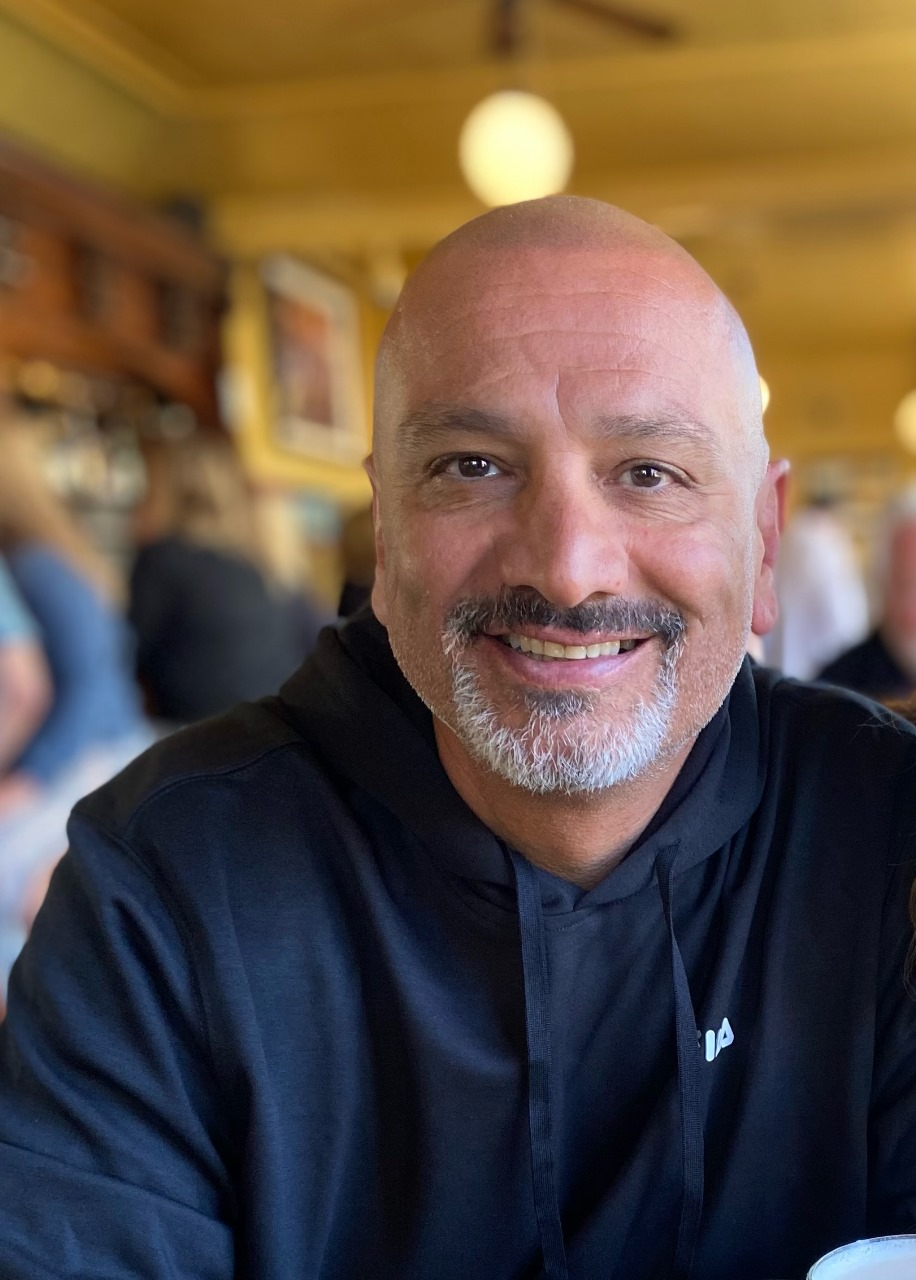
Andy Sharifi
Position
START YOUR VEIN TREATMENT TODAY
Take the first step toward healthier, more comfortable legs. Schedule your consultation today and discover the vein treatment options that suit you best.