

🩺 Radiofrequency Ablation for Varicose Veins: A Guide
A varicose vein can be easy to dismiss when it first appears: a twisted blue line, a little swelling after a long day, perhaps some aching in the evening. But when the leg begins to feel heavy, restless, itchy, or persistently swollen, the visible vein may be only the surface sign of a deeper circulation problem.
In many patients, the underlying issue is venous reflux. Valves inside the vein no longer keep blood moving efficiently toward the heart, allowing blood to fall backward and pool in the leg. Over time, this increased venous pressure can contribute to swelling, skin changes, inflammation, bleeding, and even venous ulcers.
Radiofrequency ablation for varicose veins is one minimally invasive way to address an incompetent superficial vein. Instead of surgically removing it, the physician uses controlled thermal energy to close the diseased vessel. Blood then redirects through healthier veins. Current vascular guidelines include endovenous thermal ablation among established treatment options for symptomatic superficial venous reflux.
For patients considering radiofrequency ablation treatment in Downey, California, knowing what happens before, during, and after the procedure can make the decision much less intimidating.
🔎 Radiofrequency Ablation for Varicose Veins: When Is It Appropriate
Radiofrequency ablation, often called RFA, is primarily used when an ultrasound examination shows significant reflux in a superficial vein, commonly the great or small saphenous vein. The purpose is not simply to remove a vein that looks unattractive. The goal is to stop abnormal backward blood flow that contributes to symptoms and venous hypertension.
That distinction is important. A patient may have prominent surface veins but relatively little underlying reflux, while another person may have substantial venous disease despite relatively modest visible changes.
A duplex ultrasound is therefore a critical part of the assessment. It allows the physician to map the venous system, identify reflux, determine which vessel is responsible, and develop a treatment plan based on anatomy rather than appearance alone.
Symptoms that may prompt evaluation include aching, heaviness, swelling, itching, nighttime cramping, skin discoloration, or recurrent inflammation. More advanced venous disease can produce skin breakdown or ulcers and requires a broader treatment strategy.
🩻 Step 1: Examination and Ultrasound Mapping
Before ablation, I want to know exactly where the abnormal blood flow begins and how extensive it is. The physical examination provides important information, but ultrasound shows what is happening beneath the skin.
During a venous duplex study, blood flow is assessed while the veins are examined for reflux. The resulting map helps determine whether radiofrequency ablation is appropriate and whether additional veins may require treatment.
This is also where patient-specific factors matter. Previous blood clots, vascular procedures, medications, mobility limitations, skin conditions, and the presence of an ulcer can influence how treatment is planned.
A good consultation should end with a clear explanation of which vein is being treated and why. If you cannot explain what the procedure is intended to correct, you should not feel pressured to proceed.
🔥 Step 2: What Happens During Radiofrequency Ablation
RFA is performed through a small access point rather than a large surgical incision. After the treatment area is prepared, a thin catheter is guided into the affected vein, typically using ultrasound for precise positioning.
Local anesthetic is then placed around the vein. This is called tumescent anesthesia. It helps control discomfort and creates a protective fluid layer around the treated vessel.
The catheter delivers radiofrequency energy to the vein wall. The controlled heat causes the vessel to contract and seal. Once the abnormal vein is closed, the body gradually processes the treated segment while blood continues through functioning veins.
Radiofrequency vein ablation does not require the diseased vein to be physically pulled out of the leg. This is one reason the procedure can generally be performed through a very small access point and followed by a relatively rapid return to normal activity.
Patients commonly describe pressure, warmth, or brief discomfort during portions of the procedure rather than the type of pain associated with traditional vein surgery.
🚶 Step 3: The First Hours After Treatment
One of the major advantages of endovenous treatment is that recovery is usually much shorter than after traditional vein stripping.
After the procedure, walking is generally encouraged. The Society for Vascular Surgery notes that patients can often resume most activities the same day after vein ablation, while compression stockings are commonly used after thermal ablation.
Your specific instructions may differ depending on the extent of treatment and your medical history. Mild tenderness, tightness, bruising, or a pulling sensation along the treated vein can occur during the early recovery period.
The most important mistake to avoid is treating the word “minimally invasive” as meaning “risk-free.” Every vascular procedure has potential complications. These can include bleeding, infection, inflammation of a superficial vein, nerve irritation, skin injury, or blood-clot-related complications, although serious problems are uncommon.
Seek prompt medical attention for severe or rapidly increasing leg swelling, significant chest pain, difficulty breathing, uncontrolled bleeding, or other symptoms that concern you.
🗓️ Step 4: Follow-Up and Checking the Treated Vein
Follow-up is part of the treatment, not an optional extra. After thermal ablation, ultrasound may be performed to confirm closure of the treated vein and evaluate for complications. SVS perioperative guidance recommends follow-up imaging within approximately one to two weeks after the procedure.
This is particularly important because closing the target vein is only one part of managing venous disease. Some patients have additional tributary veins that remain visible or symptomatic and may benefit from another treatment, such as sclerotherapy or microphlebectomy.
It is also normal for improvement to occur progressively. The treated vein does not simply vanish immediately after the catheter is removed. The body needs time to remodel and absorb the closed vessel.
🩹 What About Varicose Veins With Ulcers or Skin Changes
Patients with venous ulcers need a more comprehensive evaluation. An ulcer can indicate longstanding venous hypertension, and simply treating a visible varicose vein may not address everything contributing to delayed healing.
Management may involve compression therapy, wound care, assessment of arterial circulation, treatment of superficial venous reflux, and monitoring for infection when clinically indicated. The treatment sequence should be individualized.
For someone with recurrent ulcers, persistent swelling, or significant skin discoloration, treating the underlying venous problem can be an important component of long-term management. It is not appropriate to assume that every ulcer has a venous cause, which is why vascular assessment matters.
💡 What Patients Should Expect From Radiofrequency Ablation
Patients often want one simple answer: “Will this fix my veins?” The more accurate answer is that successful ablation closes the targeted incompetent vein, but it does not prevent every future vein problem.
The treated vein generally remains closed, while circulation is redirected through healthier pathways. However, venous disease is a chronic condition, and new reflux or varicose veins can develop over time.
The best candidates are therefore not simply people who dislike the appearance of their legs. They are patients whose symptoms, examination, and ultrasound findings indicate that treating an incompetent vein is medically appropriate.
For patients seeking radiofrequency ablation for varicose veins, the most valuable first step is a detailed vascular evaluation. At Vein & Wound Experts in Downey, California, treatment planning can be tailored to the individual venous anatomy, symptoms, skin condition, and overall clinical picture.
The objective is straightforward: close the vein that is causing abnormal reflux, preserve healthy circulation, minimize unnecessary intervention, and give the patient a realistic recovery plan. When those principles guide treatment, radiofrequency ablation can be a precise and effective option for symptomatic venous disease.
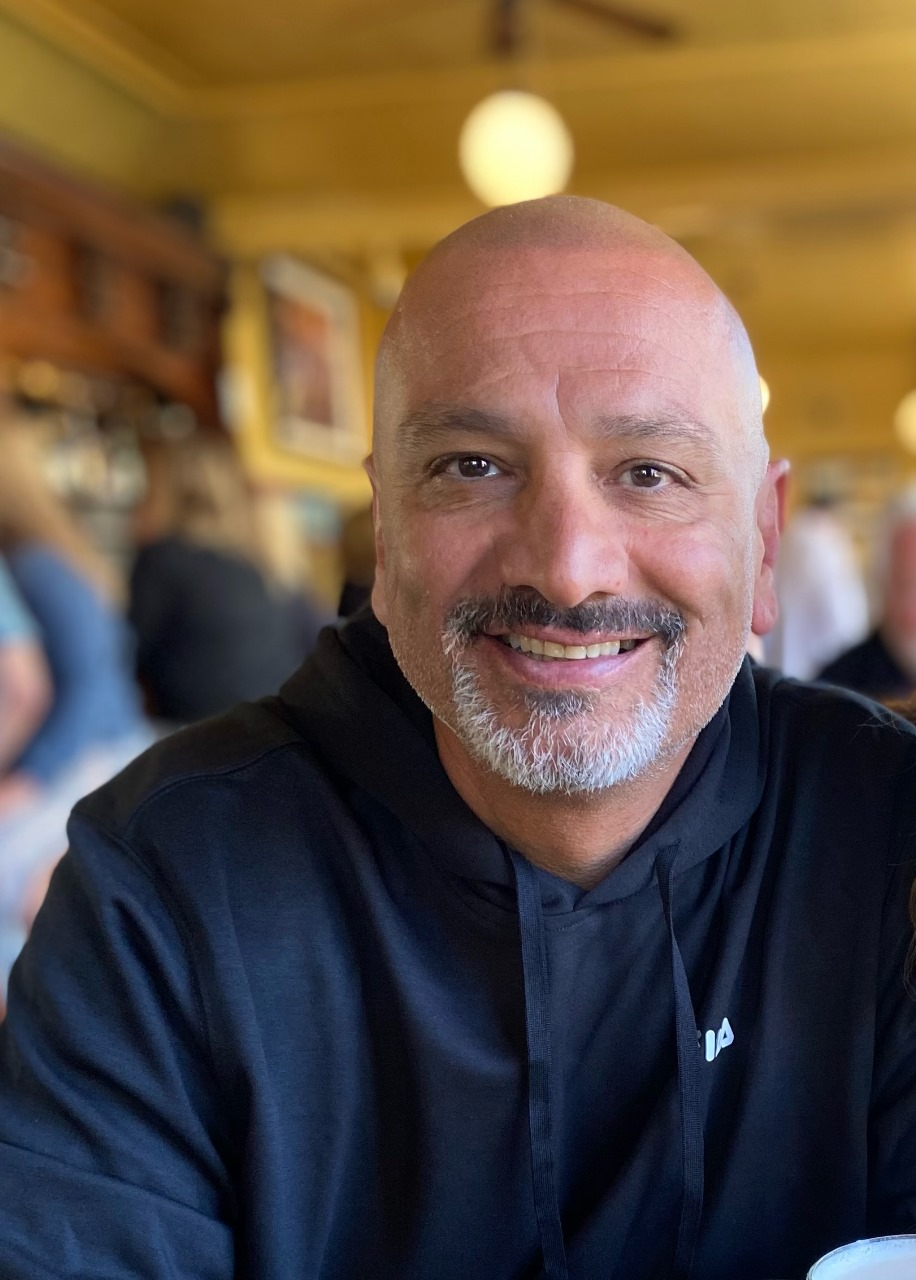
Andy Sharifi
Position