

Where Does Blood Flow Go After Your Vein Treatment?
One of the biggest concerns patients have before vein treatment is simple: “If this vein is closed, where will the blood go?” It is a fair question. Your veins carry blood every day, so it can feel confusing to think about closing or removing one. But when a vein is diseased, it is usually not helping circulation the way it should. Treatment is designed to redirect blood away from unhealthy pathways and into stronger, better-functioning veins.
🩸 A Common Question About Vein Treatment
Patients often worry that closing a problem vein will reduce circulation. In most cases, the opposite is true.
Understanding Blood Circulation
Veins carry blood from the legs back toward the heart. Healthy veins have one-way valves that help keep blood moving upward. When these valves work properly, blood flows in the right direction without pooling in the lower legs.
Why Diseased Veins Are Treated
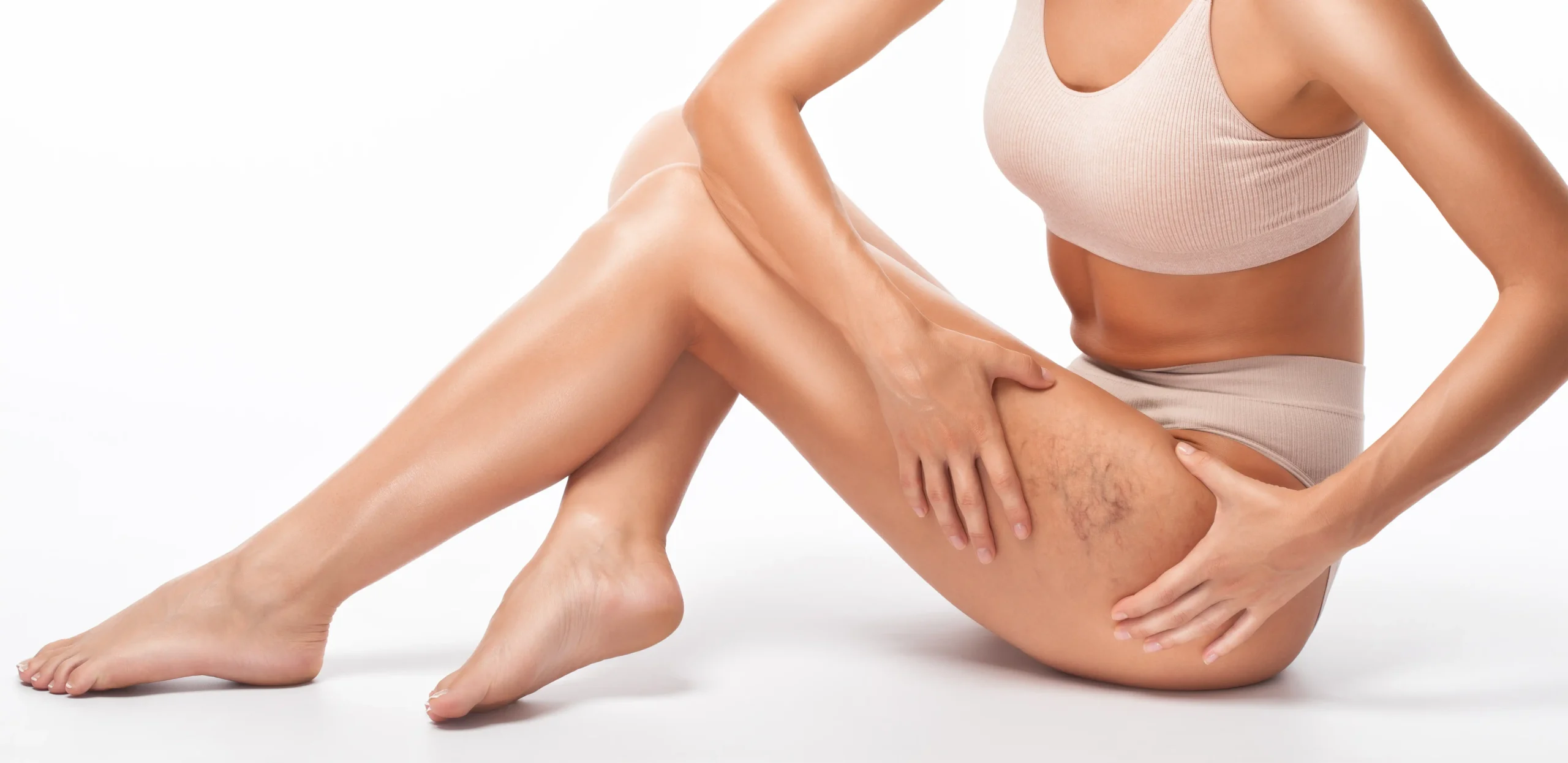
A diseased vein may have weak or damaged valves. Instead of moving blood upward efficiently, it may allow blood to flow backward and collect in the leg. This can lead to symptoms such as heaviness, swelling, aching, throbbing, skin changes, or visible bulging veins. Treating the unhealthy vein helps remove a pathway that is causing pressure instead of supporting normal circulation.
The Body’s Natural Adaptation
The body already has many veins available to move blood. When one unhealthy vein is closed or removed, blood does not stop moving. It naturally shifts into nearby healthy veins that are better able to carry it back toward the heart.
🔄 What Happens After a Vein Is Closed or Removed
After treatment, the body begins adjusting circulation through healthier vessels.
Blood Rerouting Through Healthy Veins
During treatments such as radiofrequency ablation, the targeted vein is closed from the inside. Once it is sealed, blood finds a better route through nearby functioning veins. This is why blood flow after vein ablation is not usually a concern for properly selected patients. The treated vein was already working poorly, and healthier veins take over the job.
Improved Circulation Efficiency
When blood is no longer flowing backward through a damaged vein, pressure in the leg may decrease. This can make circulation more efficient because blood is moving through vessels that still have better valve function. Instead of pooling in the lower leg, blood has a clearer path upward.
Reduction in Symptoms
As pressure improves, patients may notice less heaviness, swelling, aching, or throbbing. Symptom improvement can vary depending on the severity of the condition, the type of procedure performed, and how the body heals after treatment.
🚫 Why Treated Veins Are No Longer Needed
The goal is not to remove useful veins. The goal is to treat veins that are no longer doing their job properly.
Dysfunctional Vein Valves
Healthy vein valves open and close to keep blood moving in one direction. When these valves become weak, blood may leak backward. Over time, this can stretch the vein and increase pressure in the leg. A vein with damaged valves may become more of a burden than a benefit to circulation.
Venous Reflux Explained
Venous reflux happens when blood flows backward instead of upward toward the heart. This backward flow can cause blood to pool in the lower legs, leading to discomfort, swelling, visible veins, and other symptoms. Reflux is one of the main reasons a specialist may recommend treatment.
Benefits of Removing Unhealthy Pathways
Closing or removing a diseased vein can help stop backward flow in that pathway. Once the unhealthy route is no longer active, blood can move through veins that are functioning better. This may help reduce pressure, improve comfort, and support healthier circulation after vein treatment.
🩹 Recovery and Circulation After Treatment
Recovery depends on the procedure, but many modern treatments are minimally invasive and do not require a long hospital stay. Patients are often encouraged to walk after treatment because movement helps support circulation. Walking activates the calf muscles, which help push blood upward through the legs. Compression stockings may also be recommended for a period of time. They can help reduce swelling and support blood flow while the body adjusts.
Some bruising, tightness, tenderness, or mild discomfort can happen during healing. These effects are usually part of the recovery process, but patients should always follow their provider’s instructions and report anything unusual. The important thing to remember is that circulation after vein treatment is not lost. In many cases, blood moves more effectively once it is no longer being pulled into damaged veins.
🏥 How Vein & Wound Experts Helps Patients Understand Treatment Outcomes
Vein & Wound Experts helps patients understand what is happening before, during, and after treatment. Before recommending a procedure, the team may evaluate symptoms, perform a physical exam, and use ultrasound imaging to check how blood is moving through the leg veins. This helps identify which veins are healthy and which ones are causing reflux or poor circulation. Patients are guided through the treatment plan so they know why a vein is being treated, where blood flow will go afterward, and what to expect during recovery. The goal is to make the process clear and comfortable, especially for patients who feel nervous about what happens after RFA, ablation, or other vein procedures.
❓ Frequently Asked Questions
Is Blood Flow Reduced After Vein Treatment?
No. Blood flow is not usually reduced after a diseased vein is closed or removed. Blood naturally reroutes through healthier veins that are better able to carry it back toward the heart.
How Does the Body Compensate?
The body uses nearby healthy veins to carry blood after the treated vein is closed. These veins take over circulation from the unhealthy pathway.
Are Treated Veins Necessary?
A treated vein is usually one that is not functioning properly. If it has damaged valves or reflux, it may be adding pressure to the leg instead of helping circulation.
Does Circulation Improve After RFA?
For many patients, circulation can improve after RFA because blood is redirected away from a damaged vein and into healthier vessels. This may help reduce symptoms such as swelling, heaviness, and aching.
Andy Sharifi
Position