

End of Day Leg Pain: What It Says About Your Veins 🌙
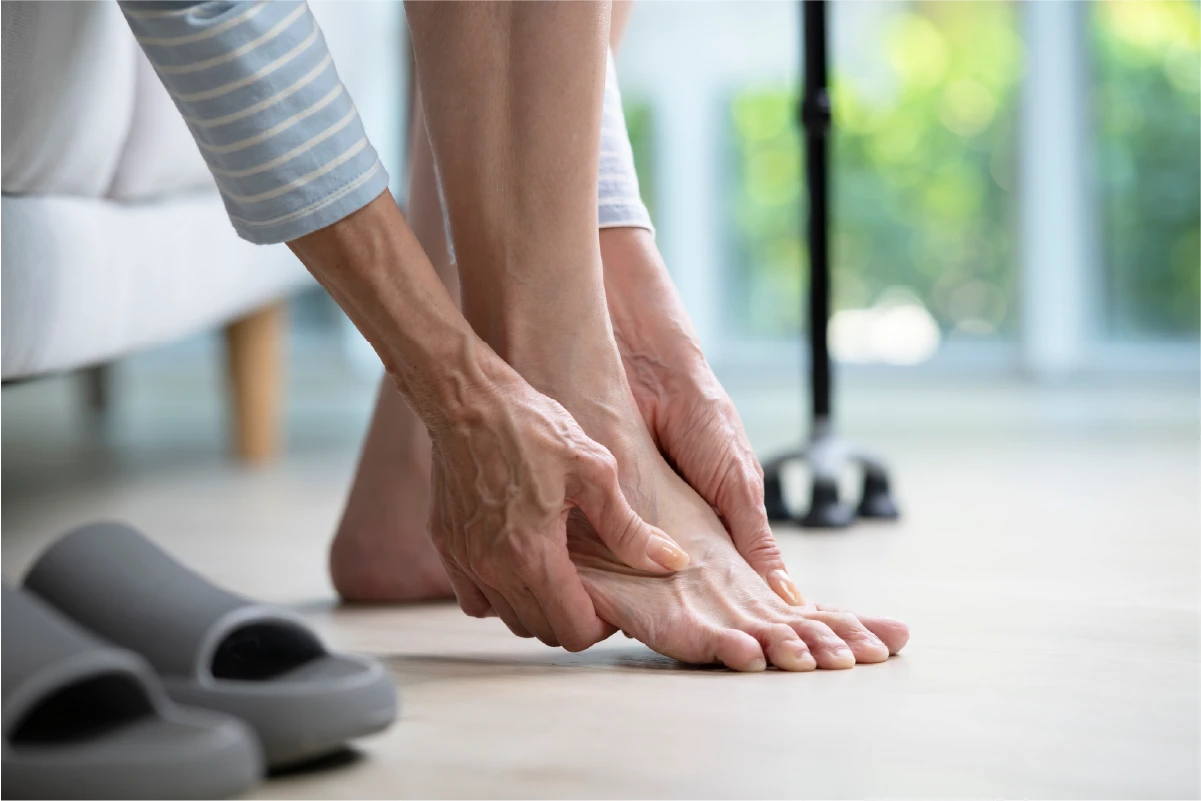
Many people notice the same pattern repeatedly: their legs feel relatively normal in the morning, but by evening the discomfort becomes harder to ignore. Aching, heaviness, throbbing, or fatigue often intensify after a full day of standing, walking, or sitting for long periods.
This “end of the day” discomfort is not always simple exhaustion. In many cases, it reflects how pressure builds inside the veins throughout the day when circulation is no longer working efficiently.
🩸 Why Symptoms Often Worsen in the Evening
Veins in the legs work against gravity to return blood back toward the heart. Tiny internal valves help keep circulation moving upward instead of allowing blood to fall backward and pool in the lower limbs.
When these valves weaken, pressure gradually increases over the course of the day. Hours of standing or sitting allow blood to collect in the lower extremities, creating rising venous pressure that becomes more noticeable by evening.
This is one reason why discomfort often feels worse later in the day rather than immediately after waking.
⚠️ Common Symptoms Linked to Vein Problems
The discomfort associated with circulation dysfunction is not always sharp or severe. Early symptoms are often subtle and develop gradually over time.
🦵 Aching and Heaviness
Many patients describe their legs as tired, heavy, or weighed down by evening. This sensation may improve temporarily after elevating the legs or resting overnight.
💧 Swelling Around the Lower Legs
Fluid buildup is another common sign. Mild ankle puffiness or lower limb swelling may appear after long workdays or extended periods of inactivity.
Repeated swelling can signal that circulation pressure is becoming harder for the veins to manage efficiently.
😴 Fatigue in the Legs
Muscle exhaustion is not always the real cause of tired-feeling legs. Poor venous circulation can reduce how effectively blood moves through the lower limbs, creating a persistent sense of lower-body fatigue.
🌡️ Burning or Throbbing Sensations
Some individuals experience warmth, throbbing, or nighttime discomfort that intensifies later in the day. These sensations may become more noticeable after prolonged standing.
🔍 Why Gravity Makes Symptoms Worse
Gravity constantly pulls blood downward while standing or sitting upright. Healthy veins compensate through strong valve function and muscle-assisted circulation.
When circulation weakens, blood begins pooling instead of flowing efficiently upward. The longer the day continues, the more pressure accumulates inside the vessels. This explains why symptoms are often milder in the morning after hours spent lying down overnight.
🧬 Early Signs of Chronic Vein Disease
Even mild recurring symptoms should not always be dismissed as normal fatigue or aging. Chronic vein disease often develops gradually and may begin with subtle discomfort before visible changes appear.
Potential early warning signs can include:
- Tired, weighed-down legs at night
- Aching after prolonged standing
- Recurring ankle puffiness
- Visible enlarged surface veins
- Nighttime throbbing or cramping
- Symptoms improving with leg elevation
These patterns often suggest circulation-related dysfunction rather than simple muscle soreness alone.
🪑 Lifestyle Factors That Increase Circulation Pressure
Certain habits and occupations place extra strain on the venous system. Jobs requiring prolonged standing, desk work involving long sitting periods, low physical activity, and excess body weight can all contribute to circulation stress.
Over time, repeated pressure buildup may gradually worsen symptoms if underlying vein dysfunction is present.
🩺 When Recurring Leg Pain Deserves Attention
Occasional soreness after physical activity is normal, but discomfort that follows the same pattern every evening may point to more than simple fatigue. Persistent leg pain, pressure, aching, or tired lower limbs that worsen later in the day can sometimes signal underlying vascular dysfunction.
Identifying circulation problems early may help prevent symptoms from progressing into more advanced venous conditions over time.
Andy Sharifi
Position