

Why Vein Problems Appear Before Visible Varicose Veins 🩸
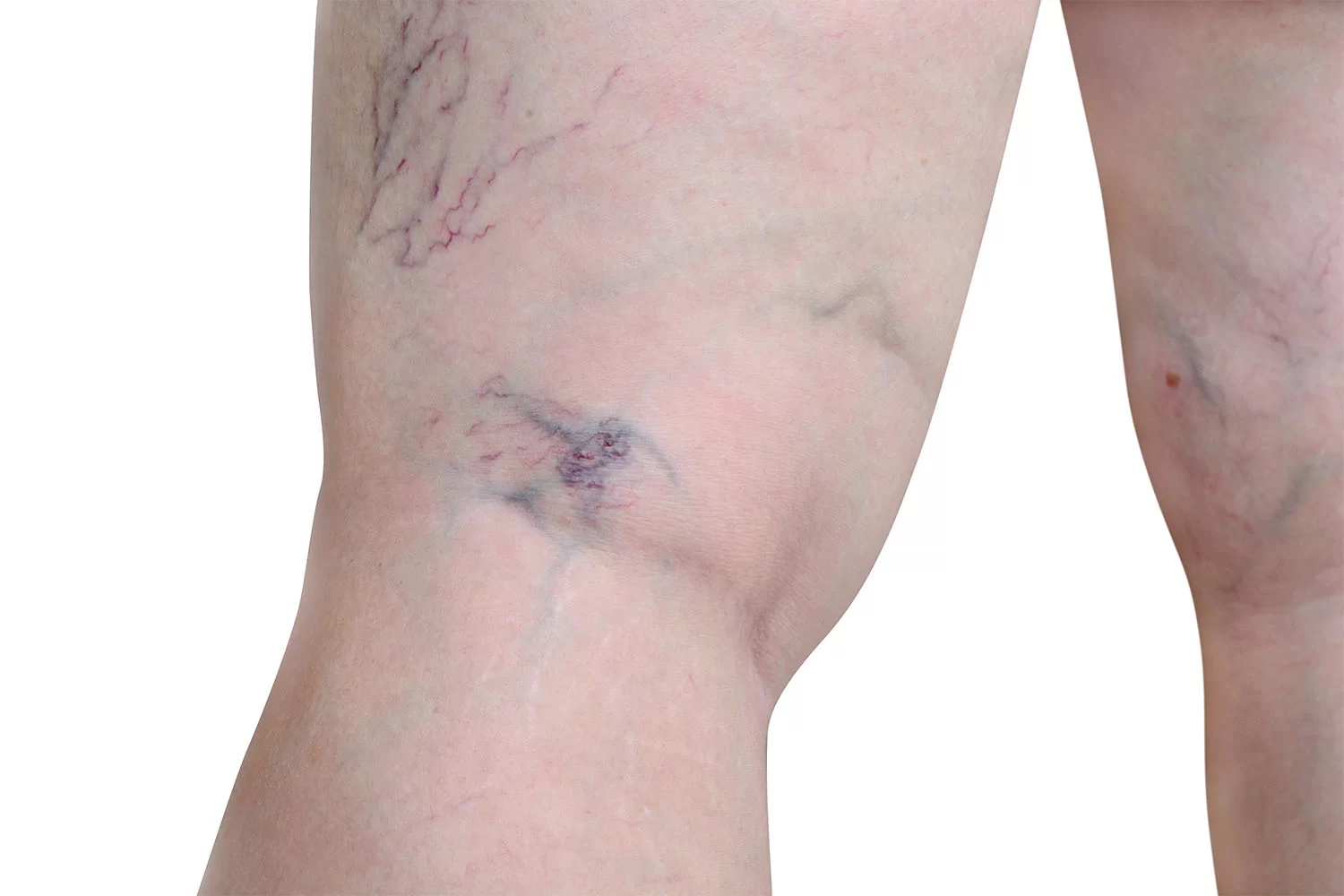
Many people assume vein disease begins only when enlarged, twisted vessels become visible beneath the skin. In reality, circulation problems often develop quietly for years before obvious physical changes appear. By the time visible varicose veins show up, the underlying issue may already be well established.
That’s what makes early symptoms easy to miss. Mild discomfort, fatigue, or unusual sensations in the legs are often blamed on long workdays, aging, or general tiredness rather than vascular dysfunction. Recognizing those early signals can make a significant difference in treatment timing and long-term vein health.
🔍 How Vein Disease Begins Beneath the Surface
Healthy veins rely on small internal valves that keep blood moving upward toward the heart. When these valves begin weakening, circulation becomes less efficient, allowing blood to pool in the lower limbs instead of flowing normally.
This process does not always create immediate visible changes. In many cases, deeper circulation issues begin long before surface veins become enlarged enough to notice. That’s why some patients experience symptoms even when their legs appear normal externally.
⚠️ Common Early Warning Signs
🦵 Leg Heaviness
One of the most frequently overlooked symptoms is a persistent heavy or tired feeling in the legs. Some people describe it as sluggishness, pressure, or discomfort that becomes more noticeable later in the day.
This often happens because weakened circulation allows blood to collect in the lower extremities, increasing vascular pressure over time.
🌙 Nighttime Cramping or Restlessness
Unexplained cramping, throbbing, or restless sensations at night can sometimes be linked to developing circulation dysfunction. Because these symptoms overlap with other conditions, they are often dismissed as unrelated.
💧 Mild Swelling
Early fluid retention around the ankles or calves may indicate that blood flow is not moving efficiently. Even subtle swelling that comes and goes can be an early sign of vascular strain.
🔥 Burning or Aching Sensations
Discomfort that worsens after long periods of standing or sitting may suggest underlying circulation issues rather than muscle fatigue alone. This type of discomfort often improves with elevation or movement.
🩻 Why Visible Veins Appear Later
The earliest stages of venous dysfunction often involve deeper vessels rather than surface changes. Over time, persistent pressure gradually affects more superficial vessels, eventually creating the enlarged twisted appearance commonly associated with varicose veins.
This is why hidden veins or deeper circulation dysfunction may exist even when obvious visual symptoms are absent. Appearance alone does not always reflect the true stage of the condition.
📉 Why Early Diagnosis Matters
When vascular conditions are identified early, treatment options are often less complex and symptom progression may be managed more effectively. Delayed diagnosis can allow pressure-related damage to worsen, potentially leading to skin changes, worsening swelling, or more advanced venous insufficiency.
Recognizing early vein signs helps shift the focus from reactive treatment to earlier intervention and symptom management.
- Persistent heaviness or tired legs
- Swelling that repeatedly returns
- Aching after long periods of standing
- Nighttime discomfort or cramping
- Burning sensations without obvious injury
These symptoms may appear long before visible changes develop.
🧠 Why Symptoms Are Often Misinterpreted
Because the early stages of vein disease can mimic fatigue, muscle strain, or normal aging, many patients delay evaluation for years. Symptoms may fluctuate, temporarily improve with rest, or seem too minor to mention.
That delay can make progression harder to recognize until the condition becomes much more obvious physically.
🩺 When Medical Evaluation Makes Sense
Recurring lower-leg discomfort should not be dismissed simply because visible varicose veins are absent. Persistent heaviness, swelling, aching, or unexplained discomfort may indicate an underlying vascular issue developing beneath the surface.
A proper medical assessment can help determine whether symptoms are linked to circulation dysfunction or another condition entirely, allowing earlier and more appropriate treatment decisions.

Andy Sharifi
Position