
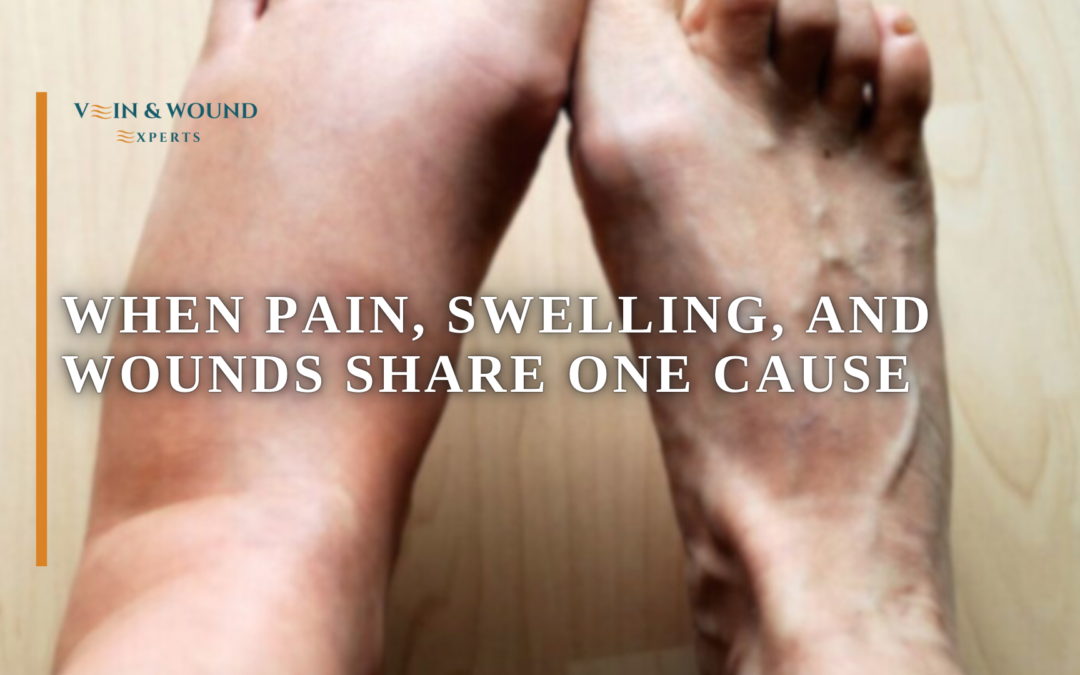
The Shared Cause Behind Pain, Swelling, and Wounds 🩺
Experiencing leg pain, swelling, or persistent wounds can feel disconnected at first, but these symptoms often share a common vascular origin. Problems within the venous system can reduce blood flow, increase pressure in the veins, and lead to tissue damage, making the legs vulnerable to discomfort and delayed healing.
🌟 How Vein Problems Show Up in the Legs
Vein disease may develop gradually, and its signs can be subtle. Impaired circulation allows blood to pool in the lower extremities, increasing venous pressure and leading to inflammation. This process can cause discomfort, visible swelling, and skin changes. Over time, sustained pressure may damage surrounding tissues, resulting in slow-healing wounds or ulcers. Patients often notice these symptoms worsen after long periods of standing or sitting, highlighting the influence of gravity on compromised veins.
🦵 Key Symptoms to Monitor
Early detection relies on recognizing common vein disease symptoms in the legs. Signs may include:
- Persistent or recurring leg pain swelling wounds
- Heaviness or fatigue in the legs after activity
- Redness, warmth, or tightness around swollen areas
- Skin discoloration or development of open sores
- Varicose veins or visible vein bulging
Recognizing patterns in these symptoms allows both patients and clinicians to connect seemingly isolated issues under one diagnosis, improving the chances of timely intervention.
💉 Treatment Approaches for Vascular Health
Addressing vein problems often involves a combination of lifestyle adjustments, medical management, and procedural interventions. Strategies such as compression therapy, leg elevation, and minimally invasive procedures reduce pressure in the veins, improve circulation, and support healing. Professional evaluation by a qualified vein doctor in Downey ensures that treatments are tailored to the underlying condition and prevent recurrence.
⚡ Connecting Symptoms Under One Diagnosis
The relationship between discomfort, edema, and wounds underscores the importance of considering vascular issues holistically. Chronic venous insufficiency can simultaneously trigger multiple manifestations in the legs, making a comprehensive approach essential. Evaluating all symptoms together helps clinicians tailor interventions that address both surface-level effects and underlying causes, reducing the risk of progression.
🏠 Promoting Recovery and Long-Term Leg Health
While some symptoms may appear minor, acknowledging and addressing them early can prevent serious complications. Persistent pain, swelling, and wounds are interconnected signals pointing to vein disease. By seeking timely assessment from experts, patients can protect their vascular health, improve comfort, and reduce the likelihood of recurring issues.
Andy Sharifi
Position