
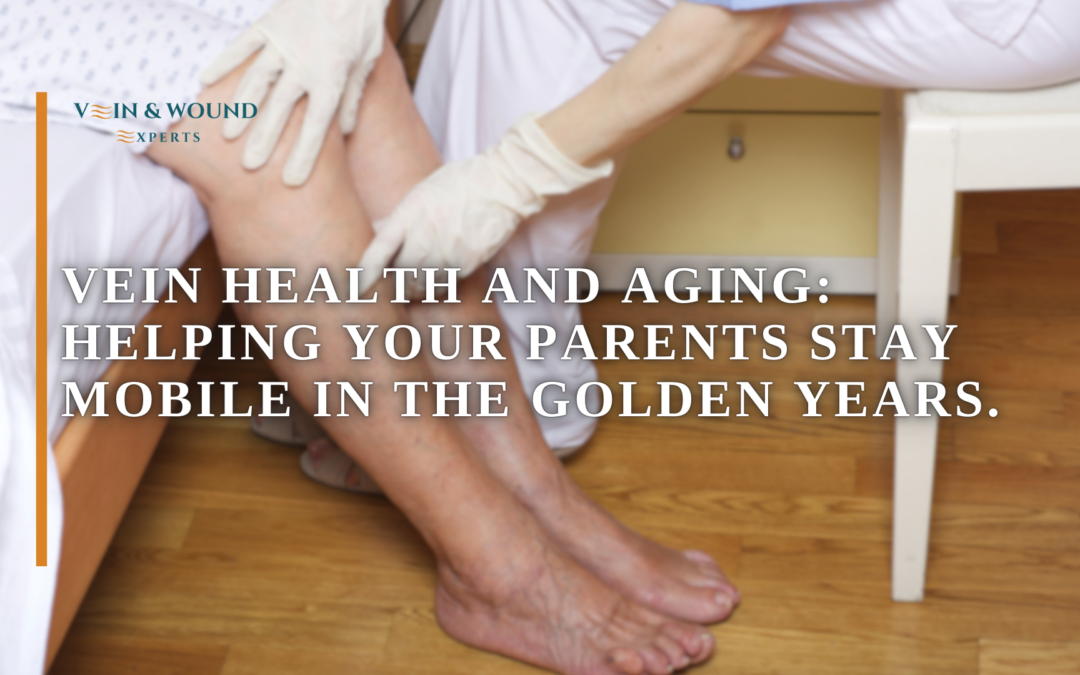
Supporting Vein Health Through Aging Years 👣🩸
You notice the hesitation before your mother steps off the curb. You see your father sit down more often during family gatherings. By evening, their ankles swell and the skin around the lower legs looks tighter, sometimes darker. Many families assume this is simply aging. As a phlebologist with decades of experience treating venous disease, I can tell you with certainty: declining vein function is one of the most overlooked reasons seniors lose mobility.
After the age of 50, structural changes inside the venous system accelerate. Vein walls lose elasticity, valves weaken, and blood returning from the legs slows down. Gravity begins to win more often than it should. The result is chronic venous insufficiency — a condition that contributes to swelling, discomfort, skin damage, and eventually venous ulcers if ignored.
Aging and Chronic Venous Insufficiency in Seniors 🩺🦵
Aging does not directly cause vein disease, but it lowers the system’s reserve capacity. Decades of standing, pregnancies, weight fluctuations, and genetic predisposition gradually affect valve integrity. When valves fail to close properly, blood flows backward, increasing pressure in the lower extremities.
This sustained venous hypertension explains why many older adults develop:
• Persistent ankle swelling
• Visible varicose veins
• Leg heaviness or burning
• Skin discoloration near the ankles
These are not cosmetic inconveniences. They signal impaired circulation. When pressure remains elevated for years, the skin becomes fragile and prone to breakdown. Venous leg ulcers are particularly common after 60 and can significantly reduce independence.
In my clinical work, duplex ultrasound often reveals reflux patterns long before patients realize how advanced their condition has become. Early diagnosis changes outcomes dramatically.
Why Circulation Directly Impacts Mobility and Balance 🚶♂️⚖️
Efficient venous return supports muscle oxygenation and tissue nutrition. When circulation is compromised, legs fatigue faster. Swelling limits ankle flexibility. Pain discourages walking. Reduced movement leads to muscle loss, which then weakens balance.
This cascade is preventable.
Healthy veins allow seniors to remain active, socially engaged, and physically stable. When chronic venous insufficiency is managed properly, we see improved endurance and reduced inflammation. The difference is not subtle — it is measurable in walking distance and daily function.
For adults in their 40s and 50s reading this, it is also a reminder: vein disease often begins years before retirement age. Early attention protects long-term mobility.
Practical Steps to Protect Vein Function With Age 🧦💙
Maintaining healthy circulation does not require extreme measures. It requires consistency.
1️⃣ Encourage daily walking, even in short sessions. The calf muscle pump is the heart of the lower extremities.
2️⃣ Use properly fitted medical-grade compression stockings when swelling or reflux is present.
3️⃣ Elevate the legs in the evening to reduce venous pressure.
4️⃣ Maintain hydration and manage blood pressure and body weight.
Compression therapy is particularly effective for managing swelling and preventing progression. By applying graduated pressure, stockings help vein valves close more efficiently and reduce fluid leakage into tissues.
Equally important is addressing visible varicose veins before complications develop. Modern minimally invasive vein treatments can correct reflux and significantly lower the risk of ulcer formation.
Preventing Venous Ulcers and Long-Term Complications 🏥⚠️
Venous ulcers rarely appear suddenly. They are the end result of prolonged pressure damage. Skin may first become dry, itchy, or darkened. Small injuries then fail to heal. Without intervention, wounds enlarge and become painful.
In California’s aging population, proactive vascular care makes a substantial difference. Seniors who receive timely evaluation for swelling and varicose veins are far less likely to experience recurrent wounds or infections.
Mobility defines independence. The ability to walk safely, climb stairs, and remain active depends heavily on circulation. When families pay attention to early signs of vein disease, they protect far more than cosmetic appearance — they safeguard strength, stability, and dignity.
Leg swelling and visible veins should never be dismissed as “normal aging.” They are signals from the vascular system. When addressed early and managed properly, older adults can remain active and confident well into their later years — not limited by preventable circulatory decline.
Andy Sharifi
Position
Andy Sharifi is the founder and owner of Vein & Wound Experts. He oversees the clinic, ensuring exceptional service and a patient-focused approach to vein care. Andy is dedicated to creating a comfortable and supportive environment for every patient.