
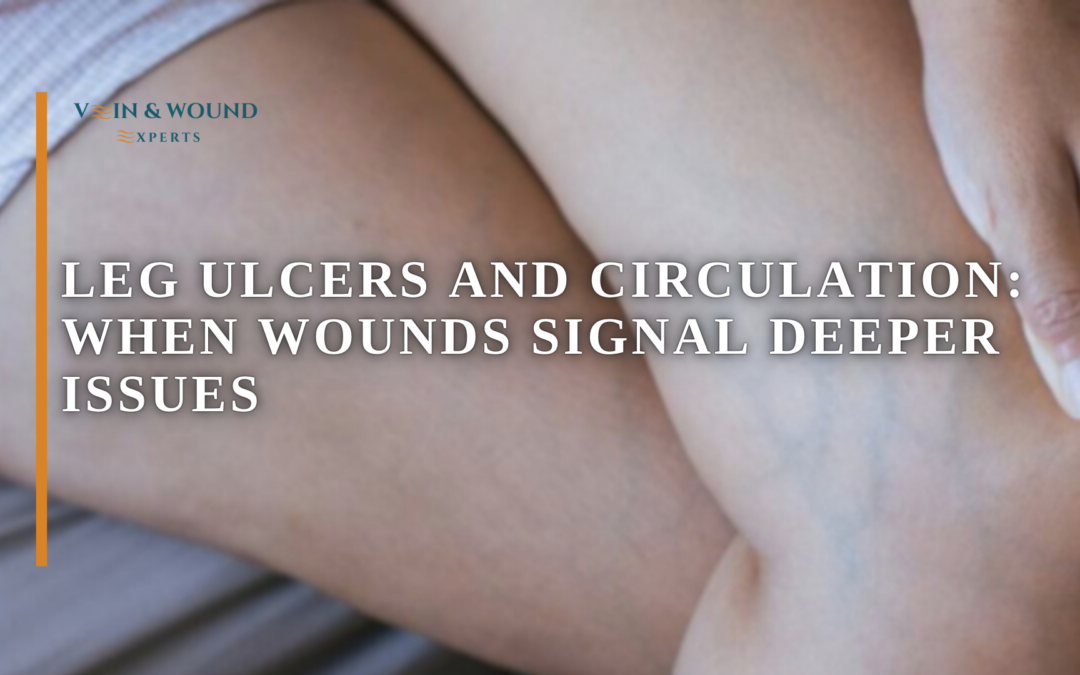
How Circulation Problems Lead to Leg Ulcers 🦵💉
Chronic leg wounds are rarely isolated issues they often signal deeper circulatory problems. Leg ulcers and circulation are closely connected, as poor venous flow in the lower extremities increases pressure in superficial veins, leading to tissue breakdown and delayed healing. Over time, this sustained strain disrupts oxygen and nutrient delivery, creating an environment where chronic leg ulcers can develop. Conditions such as valve dysfunction, varicose veins, or deep vein insufficiency contribute to blood pooling, causing swelling, vein discoloration, and progressive tissue damage. While surface-level care may provide temporary relief, identifying the underlying circulatory issues and pursuing appropriate vein treatment is essential to prevent recurrence and promote lasting recovery.
🌡️ How Poor Venous Circulation Damages Tissue
The lower extremities rely on a network of veins equipped with one-way valves to return blood to the heart efficiently. When these valves weaken or fail, blood flow reverses, increasing pressure within the veins. Over time, this heightened venous pressure stretches vein walls, causing small ruptures and leakage of fluid into surrounding tissues. The result is inflammation, skin breakdown, and the formation of open ulcers. Early signs can include persistent swelling, heaviness, or skin changes such as vein discoloration.
For patients, knowing how circulation affects wound healing clarifies why some sores take longer to recover. A superficial dressing alone cannot address underlying venous insufficiency. Clinicians focus on assessing blood flow through diagnostic imaging, physical examination, and thorough leg vein evaluation, enabling treatment to target both the wound and its root cause.
💊 Modern Approaches to Ulcer Management
- 📊 Evidence-Based Care: Local wound care combined with interventions aimed at restoring healthy circulation.
- 💧Moisture-Balanced Dressings: Protect fragile tissue while preventing infection.
- 🧦Compression Therapy: Tailored to support venous return without compromising arterial flow.
- ⚕️Minimally Invasive Procedures: Techniques such as vein ablation or sclerotherapy to correct underlying vein dysfunction.
- 🏥Multidisciplinary Approach: A vein clinic in Downey integrates wound care specialists with vascular experts for optimal results.
- 🔄Ongoing Monitoring & Education: Regular check-ups, proper dressing techniques, and guidance on mobility and skin care help prevent recurrent varicose vein ulcers.
🔬 Early Recognition and Prevention Strategies
Proactive management significantly improves outcomes for patients at risk of leg ulcers. Early evaluation by a vein expert helps identify warning signs such as persistent swelling, changes in skin texture, or minor lesions that do not heal with standard care. Lifestyle adjustments, including gentle exercise and avoiding prolonged immobility, support healthy venous function. Patients are also guided on protective skin care, timely reporting of new sores, and consistent use of compression therapy.
By focusing on circulation first, clinicians reduce the likelihood of chronic wounds worsening and help patients achieve faster, more durable healing. Combining precise vein treatment with attentive wound care ensures that underlying causes are addressed, and patients receive relief beyond superficial interventions.
⚡ Role of Specialized Clinics in Venous Health
Managing long-standing leg wounds requires expertise that goes beyond routine wound care. Comprehensive evaluation, including duplex ultrasound imaging, advanced compression techniques, and procedural interventions for compromised veins, helps address the underlying circulatory issues. This coordinated approach supports faster healing, better overall limb health, and a lower risk of recurrence.
Patient education is equally important. Being aware of how circulation affects ulcer formation empowers individuals to take an active role in their care. Recognizing early signs, knowing when to seek medical evaluation, and following prescribed therapies form the cornerstone of effective vein ulcer management.
🌿 Sustainable Healing and Long-Term Care
Effective management of venous ulcers goes beyond immediate wound closure. Maintaining vein health through follow-up assessments, ongoing monitoring, and lifestyle measures is essential. Vein & Wound Experts ensures that patients leave with actionable strategies to support long-term limb health, prevent future ulceration, and reduce complications associated with chronic venous insufficiency.
By addressing both the symptoms and underlying circulatory problems, medical teams can transform the outlook for patients with leg wounds. Comprehensive care emphasizes evaluation over simple surface-level treatment, demonstrating why specialized oversight from a venous ulcer specialist is indispensable for lasting recovery.
Andy Sharifi
Position