
How Chronic Vein Disease Affects Skin Health 🩺
Inflammatory changes within the venous system often develop quietly, yet their effects on the skin can become some of the earliest visible indicators that circulation is under strain. When blood flow through the legs becomes inefficient, pressure builds inside the veins and triggers biological responses that slowly compromise skin strength, resilience, and healing capacity.
🔬 The Biological Link Between Inflammation and Vein Disease
At the core of inflammation and vein disease is prolonged pressure inside leg veins that fail to move blood upward efficiently. When valves weaken, blood pools instead of circulating properly. This stagnation activates inflammatory pathways within the vessel walls. White blood cells release chemical mediators that irritate surrounding tissues, increasing permeability and causing fluid to seep into nearby skin layers.
Over time, these processes shift from short-term protective responses into chronic conditions. Persistent inflammation alters the microenvironment of the skin, affecting collagen structure, oxygen delivery, and nutrient exchange. What begins as an internal vascular problem gradually manifests as visible and tactile skin changes, often long before severe complications develop.
🧪 How Chronic Inflammation Alters Skin Structure
Skin relies on steady oxygenation and waste removal to maintain elasticity and barrier function. Chronic inflammation disrupts this balance. Capillaries surrounding affected veins become fragile, allowing red blood cells and proteins to leak into tissue. Iron deposits from broken-down blood cells contribute to discoloration, while inflammatory enzymes weaken connective fibers.
As inflammation persists, the skin’s ability to regenerate slows. Minor irritation may linger longer than expected, and areas of repeated stress become vulnerable to breakdown. These effects are not sudden; they accumulate gradually, which is why many individuals underestimate their significance until damage becomes advanced.
🔍 Early Skin Changes Linked to Vein Disorders
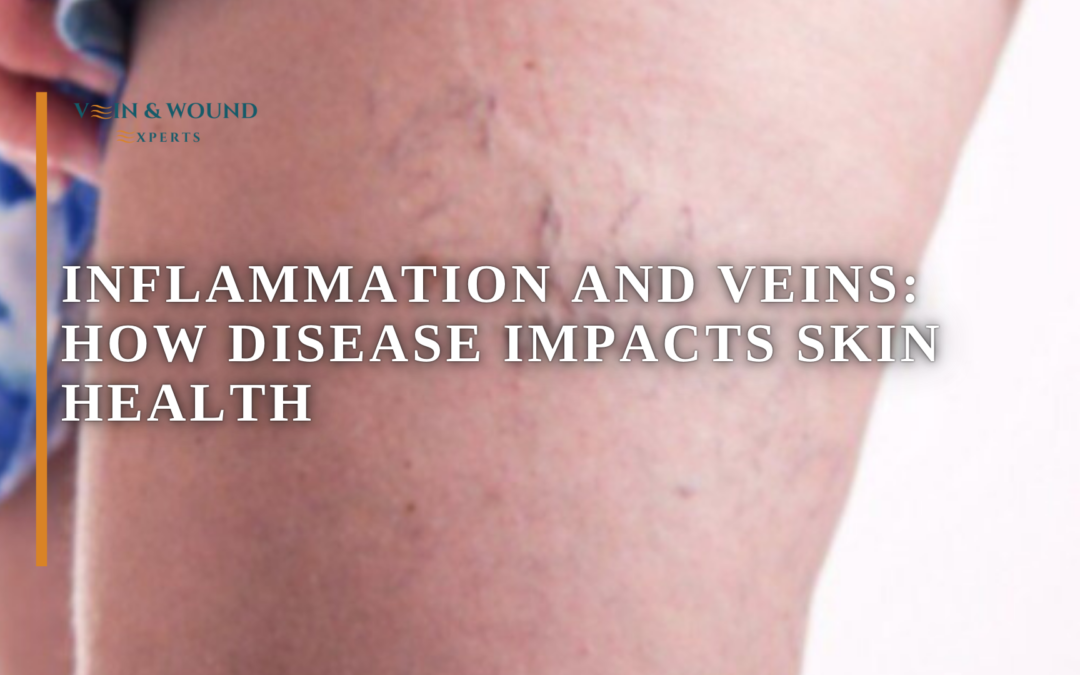
Skin responses to venous stress often follow recognizable patterns. Common indicators associated with vein disorders include changes in color, texture, and sensitivity that worsen with time or prolonged standing.
Key early signs may include:
- Dryness or itchiness around the lower legs and ankles
- Gradual darkening or reddish-brown patches near the shins
- Skin that feels tighter, thinner, or unusually fragile
- Increased sensitivity to pressure or minor trauma
While these symptoms may appear mild, they signal deeper circulatory strain rather than isolated dermatologic issues.
⚠️ From Inflammation to Skin Breakdown
As venous inflammation continues unchecked, tissue resilience declines. Reduced oxygen supply and constant swelling impair the skin’s repair mechanisms. Small cracks or abrasions struggle to heal, creating entry points for bacteria. This process explains why skin breakdown is more common in individuals with advanced venous conditions.
Inflamed tissue also produces excess fluid, which stretches skin layers and disrupts their natural protective barrier. Over time, repeated cycles of swelling and irritation increase the risk of open wounds, infection, and prolonged healing periods. These complications are not random; they are predictable outcomes of sustained inflammatory stress.
🧭 Why Medical Evaluation Matters Early
Identifying inflammatory skin changes early allows clinicians to determine whether circulation issues are driving the damage. Specialized assessment at a dedicated vein clinic focuses on evaluating blood flow patterns, valve function, and tissue health before irreversible skin injury occurs. Early evaluation helps differentiate venous-related inflammation from other dermatologic or systemic causes, guiding appropriate management strategies.
Patients who seek evaluation at the first signs of discoloration or irritation often experience fewer long-term complications. Addressing inflammation early supports skin preservation and reduces the likelihood of chronic wounds.
🛡️ Protecting Skin Health Through Circulatory Care
Managing venous-related inflammation centers on improving blood movement, reducing pressure, and minimizing tissue irritation. Clinical strategies may include compression support, targeted activity adjustments, and medical interventions designed to restore efficient flow. These approaches aim to interrupt the inflammatory cycle rather than simply managing surface symptoms.
Consistent monitoring and skin care play a vital role as well. Maintaining hydration, avoiding prolonged immobility, and protecting vulnerable areas from trauma all support healthier tissue responses while circulation issues are being addressed.
🌱 Inflammation, Veins, and Long-Term Skin Integrity
When venous inflammation is recognized as a driver of skin damage, prevention becomes possible. Early detection, combined with appropriate circulatory management, can preserve skin integrity and reduce wound risk. By addressing the vascular source of inflammation, patients protect not only their veins but also the long-term health and resilience of their skin.

Andy Sharifi
Position