

How to Treat Venous Insufficiency in the Legs
Do your legs feel heavy by the end of the day? Maybe your ankles swell after standing for hours, or your legs ache even when you have not done anything particularly strenuous. These symptoms can happen when the veins in your legs have trouble moving blood back toward your heart. The good news is that there are several ways to manage the problem, from everyday habits and compression to minimally invasive procedures when they are needed.
🩺 How to Treat Venous Insufficiency in the Legs
The right approach depends on how well your veins are functioning and whether blood is pooling in the lower legs. Inside healthy leg veins are small valves that open to let blood move upward and close to help prevent it from flowing backward. When these valves become weak or damaged, blood can collect in the legs instead of returning efficiently to the heart.
This can lead to symptoms such as swelling, aching, heaviness, fatigue, itching, and changes in the skin. Some people may also develop enlarged or visible veins over time. Because symptoms and severity can vary, treatment is usually tailored to the underlying problem rather than based on one standard approach.
🚶 Start With Changes That Support Better Circulation
For many people, the first step is managing symptoms and supporting healthy blood flow through daily habits.
Regular movement can help the calf muscles push blood upward through the veins. If your routine involves sitting or standing for long periods, taking short walking or movement breaks can also help reduce prolonged blood pooling.
Lifestyle changes that may help
Staying active, maintaining a healthy weight, and avoiding long periods in the same position can support venous circulation. Elevating your legs when resting may also help reduce leg swelling, particularly after a long day. These steps can make symptoms more manageable, but they do not repair damaged vein valves. If symptoms continue despite these changes, further evaluation may be necessary.
🧦 Compression Therapy for Symptom Management
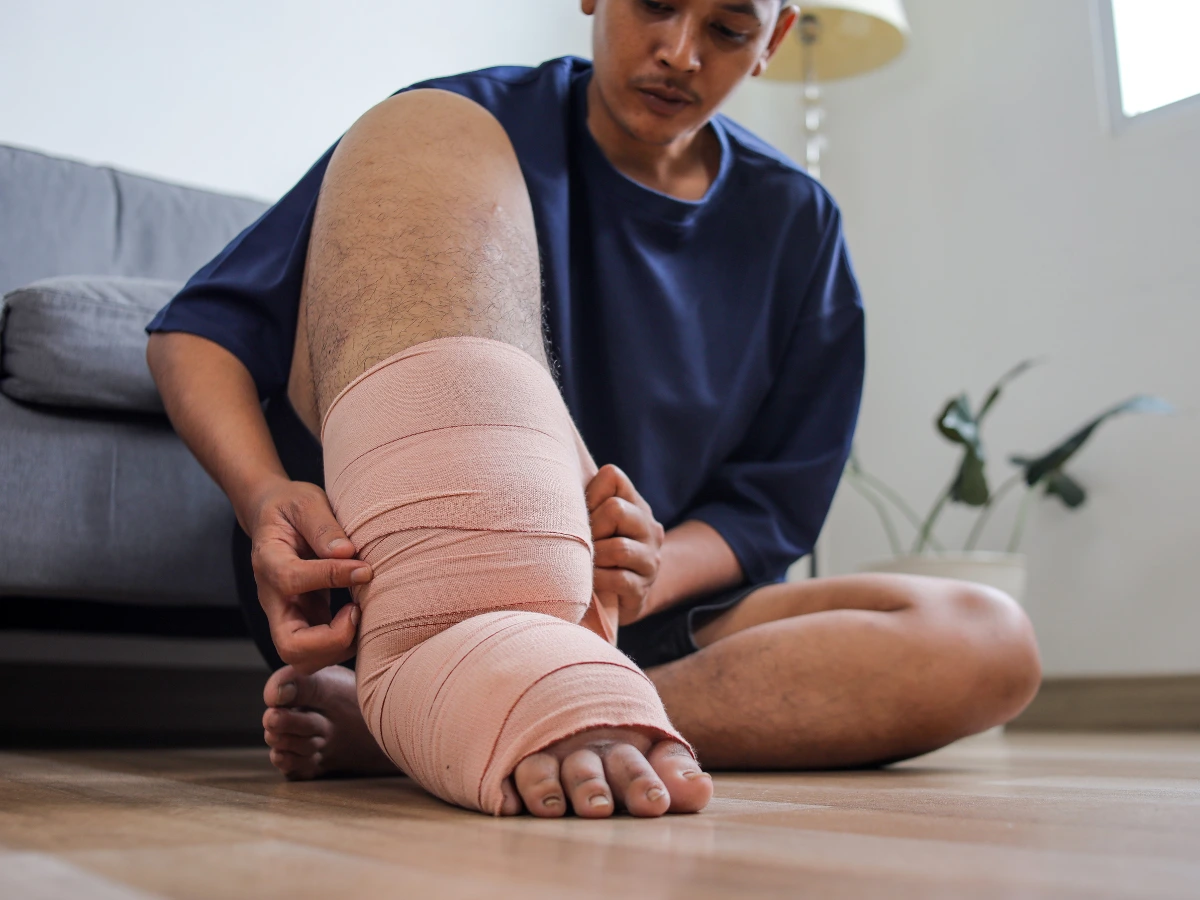
Compression therapy is another conservative option that may be recommended for some patients. Compression garments apply graduated pressure to the legs, helping support the movement of blood back toward the heart. They may help reduce swelling, aching, and feelings of heaviness. However, compression is not appropriate for everyone, so it is important to have guidance from a healthcare professional before using compression garments, particularly if you have other circulation concerns. Compression can help manage symptoms, but it does not correct the underlying valve problem.
🔬 When Conservative Measures Are Not Enough
Lifestyle changes and compression can be helpful, but they may not be enough when there is significant poor vein function or persistent reflux. If symptoms continue, become more noticeable, or are accompanied by skin changes or troublesome visible veins, a specialist may recommend treating the affected vein directly. Depending on the veins involved, possible procedures may include injections or catheter-based treatments.
Sclerotherapy
Sclerotherapy uses an injected solution to close selected veins. It is commonly used for smaller veins and may be part of a broader treatment approach when visible vessels remain after addressing a larger underlying problem.
Radiofrequency Ablation
Radiofrequency ablation uses controlled heat delivered through a thin catheter to close an abnormal vein. It may be considered when faulty valves are allowing blood to flow backward and contributing to symptoms. Other minimally invasive procedures may also be appropriate depending on the location, size, and condition of the affected veins.
🩻 Why Diagnosis Comes Before Treatment
Choosing a procedure based only on visible veins or symptoms can miss what is happening underneath the skin. A proper evaluation may include a physical examination and a duplex ultrasound to assess blood flow and identify reflux or other abnormalities. This helps determine which veins are affected and how severe the problem may be. That information is important because two people can have similar symptoms but require very different approaches. The goal is to identify the source of the problem before deciding how it should be treated.
⚕️ When Should You Consider Medical Treatment?
Persistent swelling, aching, heaviness, itching, fatigue, or skin changes should not simply be dismissed as part of getting older. You should consider a professional evaluation if symptoms are becoming more frequent, affecting your daily activities, or continuing despite lifestyle measures. Changes such as darkened or hardened skin, wounds, or sores that are slow to heal also deserve medical attention. Early evaluation can help identify whether an underlying vein problem is contributing to your symptoms and whether additional treatment could help.
🩺 Personalized Care for Venous Insufficiency
At Vein & Wound Experts, evaluation focuses on identifying the underlying vein problem rather than treating symptoms alone. Your symptoms, circulation, and diagnostic findings can help guide recommendations that are appropriate for your condition. The goal is to determine whether conservative care is enough or whether a vein treatment may be beneficial.
If persistent swelling, aching, heaviness, or other symptoms are affecting your legs, schedule a vein evaluation with Vein & Wound Experts to better understand what may be causing them.
Andy Sharifi
Position