
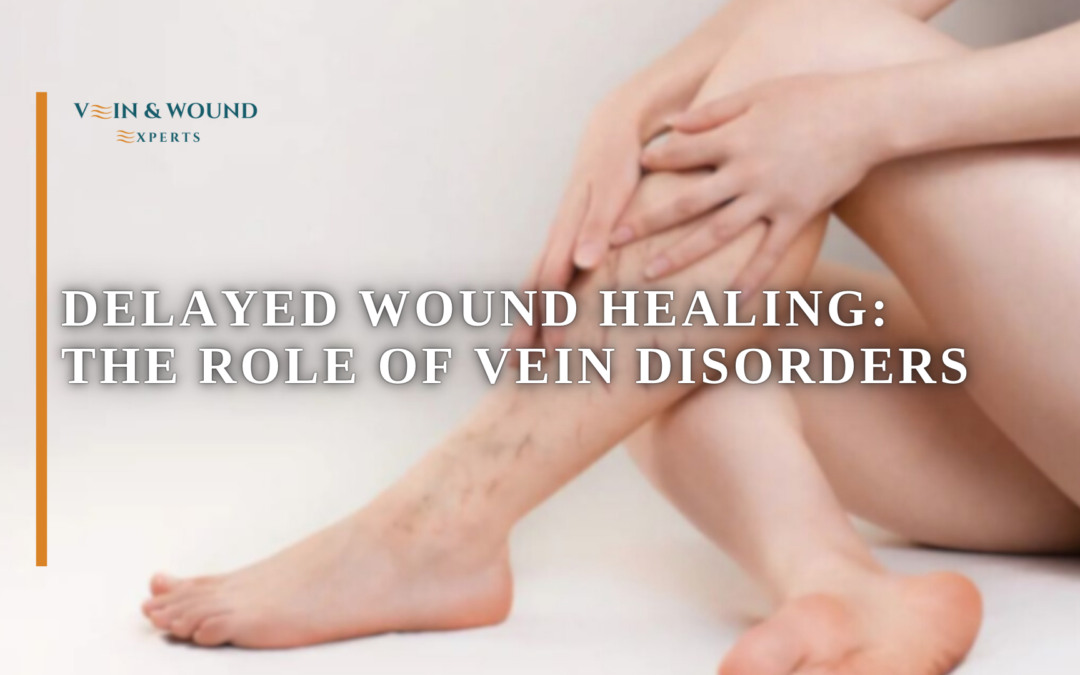
How Vein Disorders Slow Wound Healing 🩺
Skin is designed to repair itself through a carefully coordinated biological process involving blood flow, immune response, and cellular regeneration. When circulation is compromised, that process becomes inefficient and fragile. Delayed wound healing is often a signal that deeper vascular dysfunction is interfering with the body’s ability to restore damaged tissue. Rather than being a surface-level problem, slow recovery frequently reflects impaired venous return, elevated pressure within the lower limbs, and reduced oxygen delivery to the skin.
When veins fail to transport blood effectively back to the heart, the surrounding tissue environment changes. These alterations disrupt normal healing timelines and increase vulnerability to breakdown, particularly in the lower extremities where gravity amplifies circulatory stress.
🧬 Circulatory System’s Role in Tissue Repair
Healthy wound repair depends on continuous blood movement. Oxygen, glucose, amino acids, and immune cells must reach injured tissue in precise amounts and at specific stages. Veins play a critical role by clearing deoxygenated blood and metabolic waste away from the site of injury. When this process is slowed or obstructed, inflammatory byproducts accumulate, creating an environment that resists closure rather than supporting regeneration.
Venous inefficiency alters capillary pressure, forcing fluid into surrounding tissues. This swelling increases the physical distance between blood vessels and skin cells, limiting nutrient diffusion. Even minor wounds may linger because the biological signals required for repair cannot travel efficiently through congested tissue.
🔥 Inflammation and Persistent Venous Pressure
Chronic inflammation is a hallmark of many vein disorders, particularly those involving valve failure. When blood pools in the legs, pressure builds within superficial veins and capillary beds. This pressure damages vessel walls over time, triggering inflammatory responses that remain active far longer than intended.
Inflammatory mediators such as cytokines and proteolytic enzymes begin to break down healthy tissue alongside damaged cells. Instead of progressing through orderly healing phases, wounds become trapped in an inflammatory loop. Skin integrity weakens, surrounding tissue becomes fragile, and minor trauma can escalate into open lesions that struggle to resolve.
🫁 Oxygen Deprivation and Cellular Fatigue
Oxygen is essential for collagen synthesis, fibroblast activity, and immune defense. In venous insufficiency, oxygen-rich blood may reach the area initially, but sluggish outflow prevents proper exchange. Deoxygenated blood stagnates, reducing the oxygen gradient required for cellular metabolism.
Without adequate oxygen tension, fibroblasts lose efficiency, new tissue forms more slowly, and epithelial cells fail to migrate across wound surfaces. This oxygen deficit also weakens immune surveillance, increasing susceptibility to infection. Over time, repeated oxygen deprivation contributes to the development of chronic wounds that resist conventional care approaches.
🧠 Why Surface Treatment Alone Often Falls Short
- 🩹 Topical dressings and localized therapies protect exposed tissue but do not correct elevated venous pressure or restore impaired circulation.
- ⏳ Without addressing underlying vascular mechanics, wounds may show temporary improvement before reopening weeks or months later.
- ⚠️ Persistent swelling, skin discoloration, and tissue hardening often signal unresolved circulatory stress beneath the skin surface.
- 🧬 Evaluation within a vascular vein clinic focuses on identifying pressure gradients, valve dysfunction, and abnormal flow patterns that influence tissue health.
- 🔍 This diagnostic approach helps distinguish wounds caused by external injury from those driven by systemic venous dysfunction.
🔍 Clinical Perspective on Circulatory Wound Repair
Clinical evaluation emphasizes the biological relationship between circulation and tissue integrity. By assessing venous flow efficiency, pressure distribution, and inflammatory markers, specialists can identify why certain wounds fail to progress through normal healing stages. This approach prioritizes physiological correction rather than surface symptom management, supporting longer-term skin stability.
Consultation with a qualified vein specialist allows patients to understand how circulation influences recovery timelines and why unresolved venous stress often leads to recurrence if left unaddressed.
🌱 Supporting Sustainable Skin Recovery
Effective wound resolution depends on restoring balance within the circulatory environment. Reducing venous pressure, improving blood return, and minimizing inflammation allow oxygen and nutrients to reach damaged tissue more efficiently. When the vascular system functions as intended, the skin regains its ability to repair itself with greater resilience and durability, lowering the risk of repeated breakdown and prolonged recovery cycles.
Andy Sharifi
Position