

Heaviness in the Legs After Short Walks and Venous Disease 🦵🩺
Heaviness in the legs after even a short walk is often dismissed as fatigue or a sign of being out of shape. However, from a vascular medicine perspective, this sensation can signal an early stage of venous disease. When the veins of the lower extremities struggle to return blood efficiently to the heart, pressure builds, circulation slows, and discomfort appears far sooner than expected. This symptom deserves attention, especially when it occurs consistently or worsens over time.
Why Short Walks Can Trigger Leg Heaviness 🚶♂️⚠️
In healthy veins, one-way valves and muscle contractions work together to move blood upward against gravity. During walking, calf muscles act as a pump, reducing venous pressure. When venous valves weaken or fail, blood begins to pool in the legs instead of circulating properly. Even minimal activity can then lead to a heavy, tight sensation.
This mechanism explains why heaviness may appear after a brief walk rather than long-distance exertion. The issue is not endurance but impaired venous function. Over time, this dysfunction can progress, turning a mild inconvenience into a chronic medical condition.
Venous Disease as an Underlying Cause 🧬🦶
Chronic venous disease develops gradually. Early signs are often subtle and easy to overlook, yet they are clinically significant. Heaviness is one of the first functional symptoms, frequently preceding visible changes like varicose veins or skin discoloration.
Venous insufficiency reduces oxygen delivery to surrounding tissues, which contributes to fatigue, aching, and pressure sensations. Ignoring these early signals allows inflammation to persist, increasing the risk of swelling, skin damage, and in advanced cases, venous ulcers.
When Heaviness Is More Than Muscle Fatigue 🔍🩻
Muscle-related tiredness usually resolves quickly with rest. Venous-related heaviness behaves differently. It often intensifies as the day goes on and improves when the legs are elevated. This pattern reflects the role of gravity and impaired blood return rather than muscular strain.
Key differences clinicians look for include:
-
🟢 Persistent heaviness after short walks
-
🟢 Relief when legs are elevated or compressed
These patterns strongly suggest a circulatory issue rather than a fitness-related one.
Risk Factors That Increase Venous Strain 📊🧠
Several lifestyle and physiological factors increase the likelihood that leg heaviness is venous in origin. Prolonged sitting or standing, excess body weight, hormonal changes, and family history all contribute to valve dysfunction. Age also plays a role, as vein walls naturally lose elasticity over time.
In California, specialists frequently see patients whose active lifestyles mask early venous symptoms until discomfort begins interfering with daily movement. Early evaluation allows intervention before structural vein damage becomes severe.
Diagnostic Approach and Medical Insight 🩺🔬
A thorough venous evaluation typically includes a clinical exam and duplex ultrasound imaging. This non-invasive test shows blood flow direction and valve performance, allowing physicians to identify reflux or obstruction.
Vein & Wound Experts in Downey, CA focus on identifying venous disease at its earliest functional stage, when symptoms like heaviness appear before irreversible changes occur. Addressing the problem early often leads to better long-term outcomes and fewer complications.
Why Early Action Matters for Long-Term Mobility 🦿📉
Untreated venous disease is progressive. What begins as heaviness after short walks can evolve into chronic swelling, skin inflammation, and mobility limitations. Early treatment helps preserve vein function and reduces long-term strain on the circulatory system.
If Heaviness in the Legs becomes a recurring part of daily life, it should not be normalized or ignored. From an expert standpoint, it represents an opportunity for early diagnosis and proactive care rather than a symptom to push through.
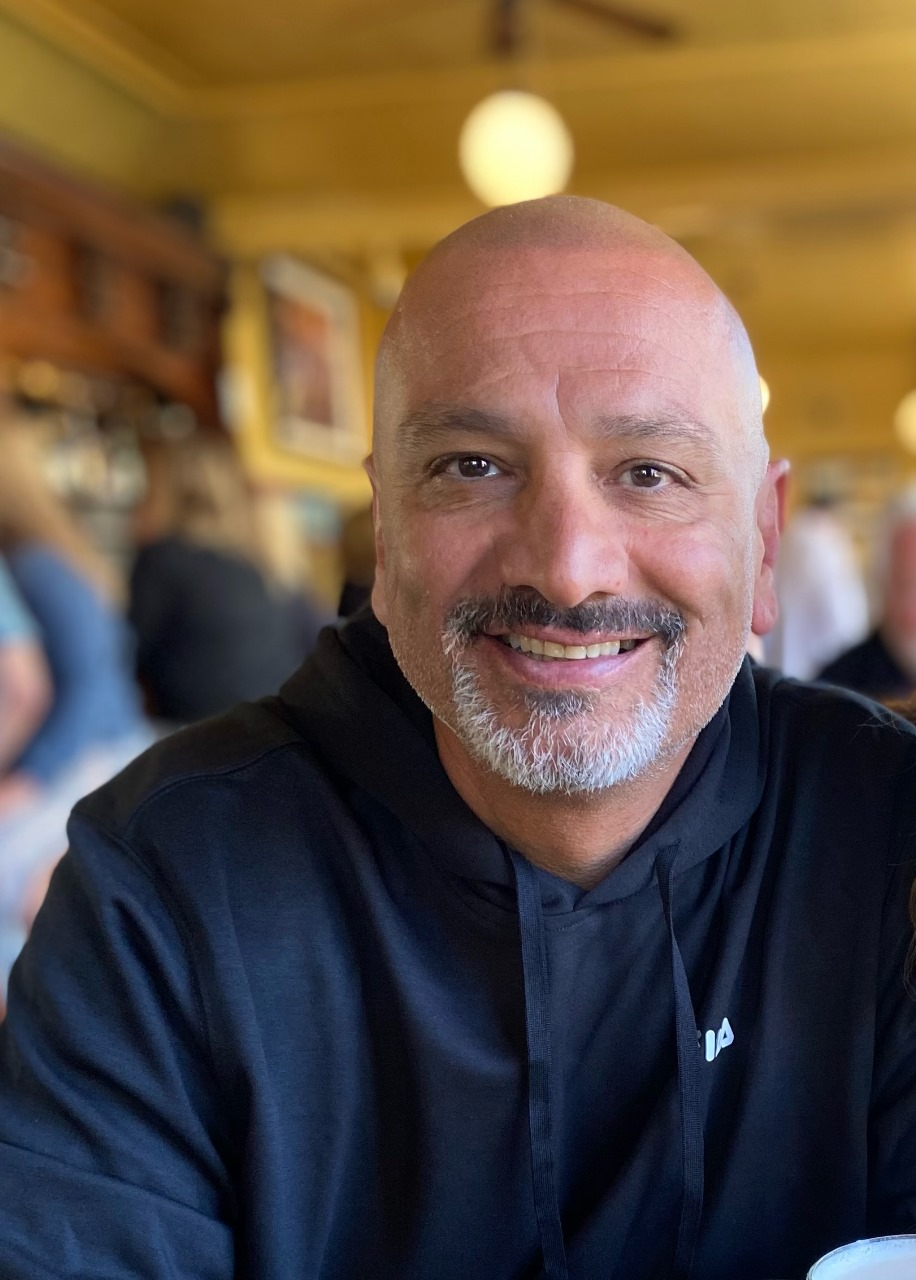
Andy Sharifi
Position