

Varicose Vein Surgery vs. Minimally Invasive Treatment
The idea of surgery can be intimidating, especially when you are dealing with veins that are painful, swollen, or becoming more noticeable. But traditional surgery is no longer the only way to address troublesome veins. Today, several treatments can close or reduce abnormal veins without the larger incisions associated with older surgical approaches. The right choice, however, depends on what is happening inside your veins, not simply how they look.
🩺 Varicose Vein Surgery vs. Minimally Invasive Treatment
Traditional varicose vein surgery involves physically removing or tying off abnormal veins. Surgical techniques have been used for many years and may still have a role in certain situations.
Modern treatments take a different approach. Rather than removing the vein through larger incisions, a minimally invasive procedure can often close the affected vessel from inside or target smaller veins with injections. The goal is similar: reduce the effect of an abnormal vein and allow blood to move through healthier pathways. The way that goal is achieved is what differs.
🏥 What Does Surgery for Varicose Veins Involve?
Traditional surgery for varicose veins generally involves accessing and removing or closing problematic veins through surgical incisions. The technique selected depends on the veins being treated and the patient’s condition. Because it involves more tissue disruption than catheter-based procedures, recovery may involve more soreness, bruising, and activity restrictions. Surgery can still be appropriate in selected cases, but a specialist will consider less invasive alternatives when they are suitable.
🔥 How Does Vein Ablation Differ?
Vein ablation closes an abnormal vein rather than physically removing it. With radiofrequency ablation, a thin catheter is guided into the affected vessel and controlled heat is used to close the vein. Blood can then reroute through healthier veins. Because the procedure uses a small access point instead of a larger surgical incision, it may involve less disruption to surrounding tissue and a different recovery experience.
Ablation is commonly considered when faulty valves are allowing blood to flow backward, contributing to venous insufficiency and troublesome symptoms.
💉 Where Does Sclerotherapy Fit?
Not every affected vein requires ablation or surgery. Sclerotherapy uses an injected solution to close selected blood vessels. It is often used for smaller varicose veins and spider veins and may be particularly useful when the vessels are closer to the skin’s surface. In some cases, injections may be used alongside another treatment. For example, a larger abnormal vein may be addressed first, followed by treatment of smaller visible vessels if they remain.
⚖️ How Do the Treatment Approaches Compare?
|
Factor |
Traditional Surgery |
Minimally Invasive Treatment |
|
Approach |
Abnormal veins are surgically removed or closed |
Veins are closed through a small access point or treated with injections |
|
Tissue disruption |
Generally greater |
Generally less |
|
Common techniques |
Surgical vein removal or ligation |
Ablation and sclerotherapy |
|
Typical recovery considerations |
May involve more soreness and activity restrictions |
Often involves a more manageable recovery, depending on the procedure |
|
Clinical use |
Selected cases where surgery is appropriate |
Commonly used for many types of symptomatic vein problems |
These are general differences rather than guarantees. Every patient responds differently, and the most suitable approach depends on the condition being treated.
🔍 Minimally Invasive Varicose Vein Treatment: Is It Always Better?
Not necessarily. A less invasive option can offer advantages for many patients, but that does not automatically make it the right choice in every case. The size and location of the affected veins, your symptoms, overall health, and underlying anatomy all matter.
For some patients, a catheter-based procedure may be appropriate. Others may benefit from injections, conservative management, or, in selected circumstances, traditional surgery. The purpose of an evaluation is to determine which option makes sense for your particular situation.
🩻 Why Diagnosis Should Come Before Treatment
Visible veins do not always reveal the underlying problem. A vein specialist may perform a physical examination and, when appropriate, use ultrasound imaging to assess blood flow and determine whether faulty valves or reflux are contributing to your symptoms.
This is especially important when enlarged veins are accompanied by swelling, aching, heaviness, or skin changes. Once the underlying vein disease is understood, your provider can explain the available treatment options and why one approach may be more appropriate than another.
⏱️ What About Recovery?
What you experience afterward depends on the procedure used, the number of veins treated, and your overall health. Traditional surgery may involve more soreness and activity restrictions, while minimally invasive procedures typically involve smaller access points and may allow you to return to everyday activities sooner. Temporary bruising, tenderness, swelling, or tightness can occur with some treatments. Your provider will explain what to expect after the procedure and give you specific instructions for activity and aftercare.
🎯 How Is the Right Option Chosen?
The decision should not be based solely on whether one treatment sounds newer or less invasive.
Your provider may consider:
- The size and location of the affected veins
- Whether abnormal blood flow or reflux is present
- Your symptoms and how they affect daily life
- Findings from your examination and ultrasound, when appropriate
- Your overall health and treatment goals
The goal is to address the underlying problem while choosing an approach that is appropriate for your individual circumstances.
📍 Discuss Your Treatment Options
If troublesome veins are causing pain, swelling, heaviness, or other persistent symptoms, traditional surgery may not be your only path forward.
Vein & Wound Experts in Downey, CA can evaluate your veins, identify the underlying problem, and explain the approach that best fits your condition. Schedule an evaluation today to find out what may be right for you.

❓ Frequently Asked Questions
Is minimally invasive treatment better than varicose vein surgery?
Not in every situation. Minimally invasive procedures can offer advantages such as smaller access points and potentially easier recovery, but the appropriate treatment depends on the patient’s veins, symptoms, anatomy, and diagnosis.
Is surgery still used to treat varicose veins?
Yes. Traditional surgery still has a role in selected cases, although many patients may be candidates for less invasive approaches. A specialist can determine whether surgery or another option is appropriate.
How does vein ablation compare with traditional surgery?
Ablation closes the affected vein using energy delivered through a small catheter rather than physically removing it through larger surgical incisions. This generally means less tissue disruption, although recovery and results vary between patients.
How does a doctor decide which treatment is appropriate?
The decision is based on the condition of the affected veins, your symptoms, physical examination, and diagnostic findings. Ultrasound may be used to identify abnormal blood flow and help determine which treatment approach is most suitable.
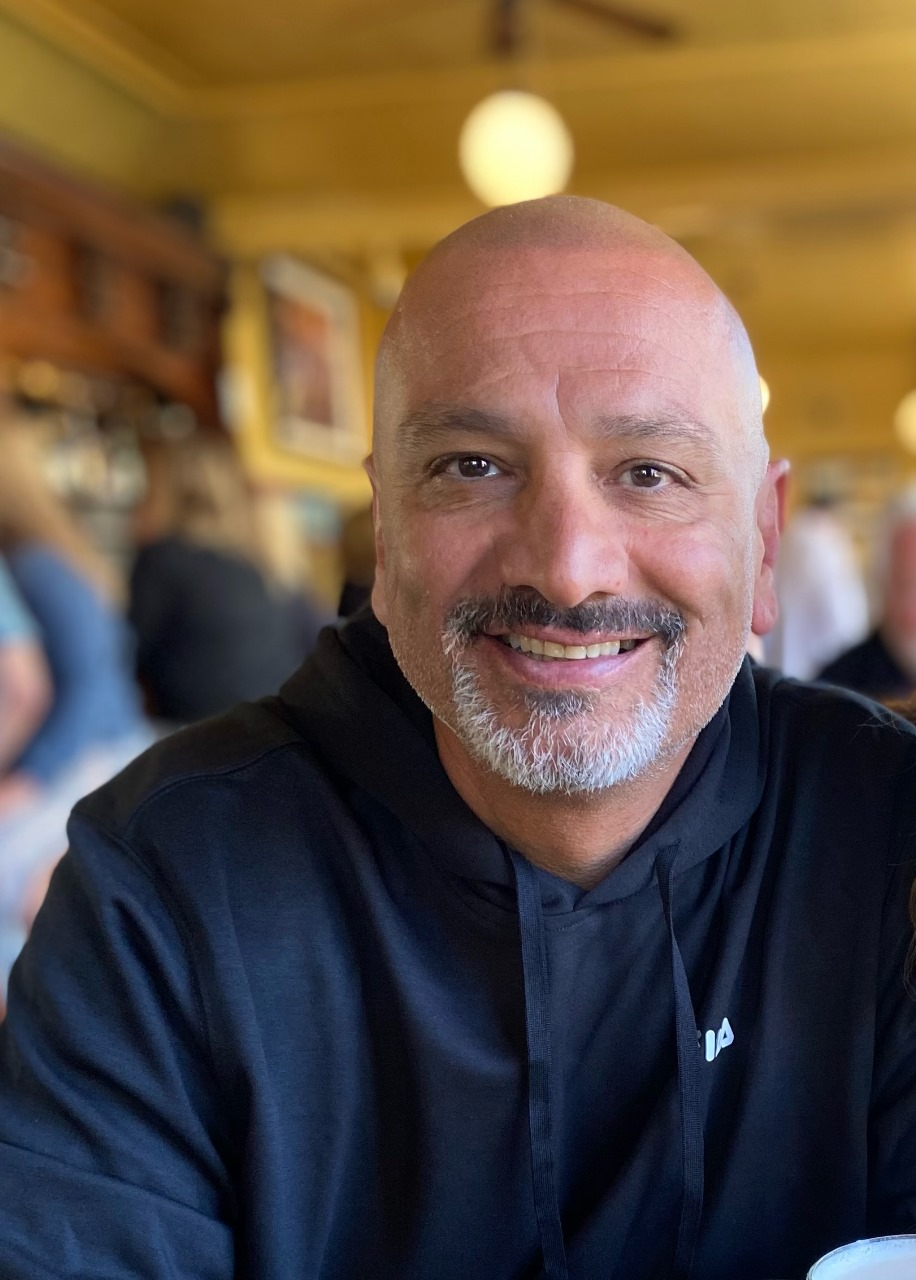
Andy Sharifi
Position
START YOUR VEIN TREATMENT TODAY
Take the first step toward healthier, more comfortable legs. Schedule your consultation today and discover the vein treatment options that suit you best.