

Varicose Vein Symptoms: Early and Advanced Signs
Your legs do not have to hurt badly before a vein problem deserves attention. Sometimes the first clues are much easier to dismiss: tired legs at the end of the day, mild swelling around the ankles, or an uncomfortable heaviness after standing for hours. As the condition progresses, however, the signs can become more noticeable and affect the skin as well. Knowing the difference between early and advanced symptoms can help you recognize when an evaluation may be worthwhile.
🩺 Varicose Vein Symptoms: What Can Appear First?
Early symptoms can be subtle and may come and go. You might notice that your legs feel different after a long day on your feet but feel better after resting or elevating them. Some people also develop visible veins before experiencing much discomfort. Spider veins or small enlarged veins may be the first noticeable change, while symptoms develop gradually.
Early Signs of Varicose Veins
Common early changes can include:
- Aching or mild discomfort in the legs
- A feeling of heaviness or tiredness
- Mild swelling around the ankles
- Itching or irritation
- Symptoms that become more noticeable later in the day
- Discomfort that increases after prolonged sitting or standing
Having one or more of these symptoms does not necessarily mean you have significant vein disease. Similar sensations can occur for many reasons, which is why the pattern and persistence of symptoms matter.
⏰ Why Symptoms May Feel Worse Later in the Day
Vein-related discomfort can become more noticeable after you have been standing or sitting for several hours. When the valves inside the leg veins are not working effectively, blood may have more difficulty moving upward toward the heart. Some blood can remain in the lower legs, increasing pressure in the veins.
This can contribute to aching legs, heaviness, tiredness, and swelling that becomes more noticeable toward the evening. Symptoms may improve when you walk, change position, or elevate your legs, although this varies from person to person.
🚩 Advanced Varicose Vein Symptoms: What Changes?
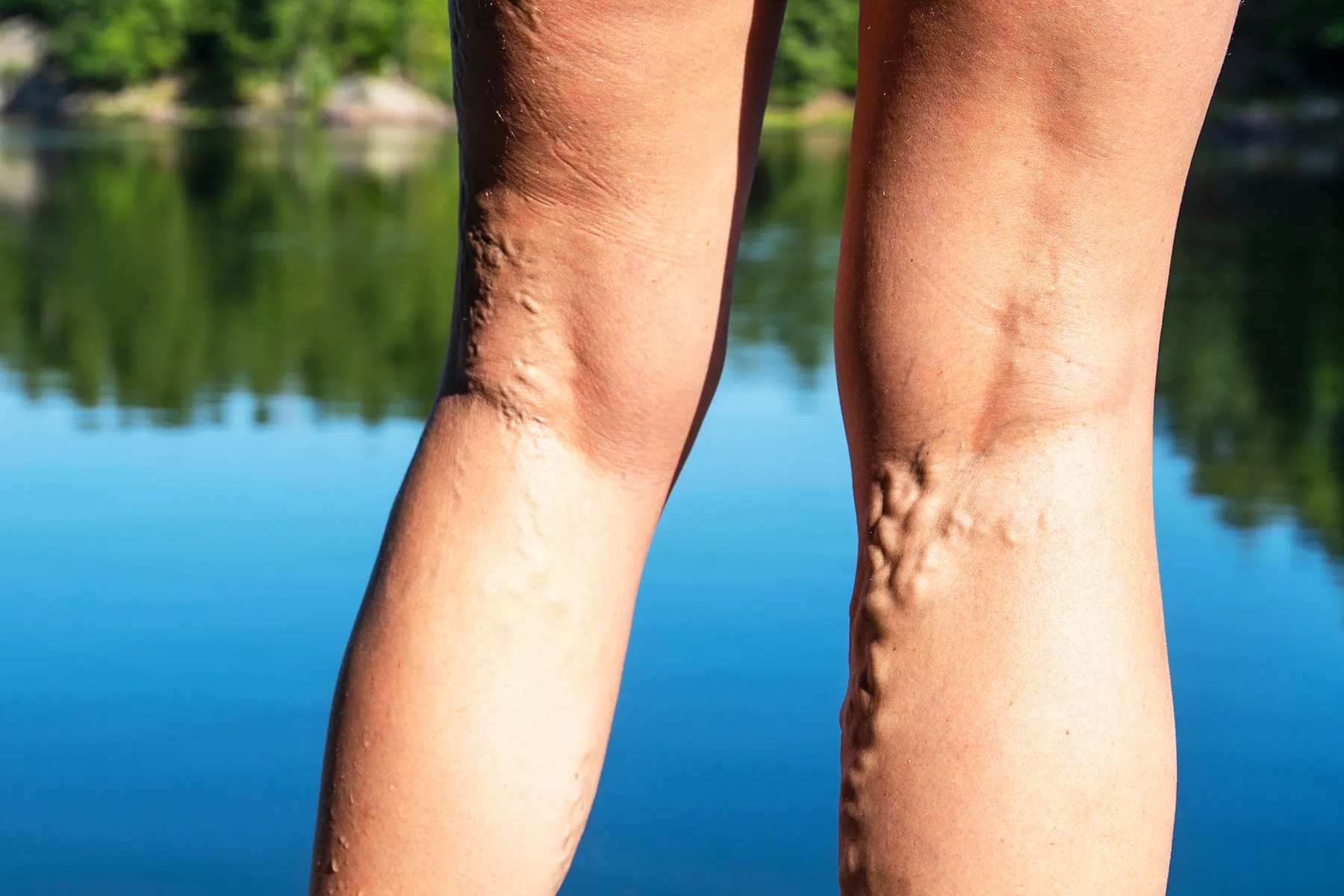
As an underlying vein problem becomes more significant, symptoms may become persistent rather than occasional. Swelling may no longer disappear completely with rest, and the skin around the lower legs or ankles can begin to change. These changes should not be dismissed as simply part of having visible veins.
Signs That May Indicate More Advanced Disease
Persistent or worsening leg swelling can be one warning sign. You may also notice:
- Darkening or discoloration of the skin
- Changes in skin texture or thickness
- Increased itching or irritation
- Tender, inflamed areas around affected veins
- Skin that becomes dry, fragile, or easier to damage
- Open sores that are slow to heal
These symptoms can occur when poor vein function has been present for a longer period and should be evaluated rather than managed solely at home.
🎨 What Does Skin Discoloration Have to Do With Vein Problems?
Changes in skin color around the ankles or lower legs can sometimes develop when blood remains pooled in the area over time. The skin may become darker, reddish-brown, or otherwise different from the surrounding skin. Changes in texture can also occur, with the affected area becoming firmer, thinner, or more sensitive. Skin changes do not prove that a person has advanced disease, but they are an important reason to seek professional assessment, particularly when they occur alongside swelling or discomfort.
🩹 Venous Ulcers: A Sign That Should Not Be Ignored
One of the more serious complications associated with long-standing vein problems is a venous ulcer. These are open sores that commonly develop around the lower leg or ankle and may be slow to heal. They can occur when ongoing pressure and poor circulation affect the health of the surrounding skin and tissue. Not everyone with enlarged veins will develop an ulcer. However, an open wound that does not heal normally should receive medical attention, especially when swelling, skin discoloration, or other vein-related symptoms are also present.
🔍 Symptoms of Venous Insufficiency: Why Progression Matters
The pattern of symptoms can provide useful information about how a vein problem may be developing. Early discomfort may be occasional, while more advanced problems can involve ongoing swelling, skin changes, or wounds. This does not mean that everyone follows the same progression, and visible veins alone do not tell you how serious the underlying problem is.
Chronic venous insufficiency can affect people differently. Some may have prominent veins with few symptoms, while others may experience significant discomfort with relatively subtle visible changes. A clinical evaluation can help determine what is actually happening beneath the skin.
🩻 When Should You Have Your Legs Evaluated?
You do not need to wait until symptoms become severe. Consider speaking with a healthcare professional if discomfort, swelling, heaviness, or itching keeps returning, particularly if symptoms are becoming more frequent or affecting your daily activities.
An evaluation is especially important when you notice skin discoloration, changes in skin texture, inflammation, or a sore that is not healing normally. A specialist may use a physical examination and, when appropriate, ultrasound imaging to assess blood flow and identify an underlying vein problem.
🩺 What Happens After an Evaluation?
The appropriate next step depends on what the evaluation finds. Some people may only need lifestyle measures, movement, or monitoring, while others may benefit from compression or a medical procedure. Treatment is not automatically necessary just because visible veins are present. The goal is to understand whether the veins are causing symptoms, whether an underlying circulation problem exists, and whether intervention could provide a meaningful benefit.
📍 Know When Your Symptoms Need Attention
A few visible veins may not be a reason for concern, but recurring discomfort or changes in your legs should not be ignored. The earlier a persistent problem is evaluated, the sooner you can understand what is causing it and whether any treatment is appropriate.
If you are experiencing ongoing pain, swelling, heaviness, skin changes, or other concerning symptoms, Vein & Wound Experts can evaluate your condition and help determine the appropriate next step. Schedule a vein evaluation today if your symptoms are persistent or getting worse.
❓ Frequently Asked Questions
What are the first signs of varicose veins?
Early signs can include aching, heaviness, tired legs, mild swelling, itching, and discomfort that becomes worse after prolonged standing or later in the day. Visible enlarged veins or spider veins may also appear before or alongside these symptoms.
What do advanced varicose veins look and feel like?
More advanced problems may involve persistent swelling, skin discoloration, changes in skin texture, inflammation, and increasing discomfort. In some cases, open sores called venous ulcers can develop around the lower leg or ankle.
Can varicose veins cause leg pain and swelling?
Yes. Enlarged veins can be associated with aching, heaviness, and swelling, particularly after extended periods of standing or sitting. However, these symptoms can have other causes, so persistent problems should be properly evaluated.
When should varicose vein symptoms be evaluated?
Consider an evaluation when symptoms keep returning, become worse, or begin affecting your daily activities. Persistent swelling, skin changes, inflammation, or slow-healing wounds should also be assessed by a healthcare professional.
Andy Sharifi
Position
START YOUR VEIN TREATMENT TODAY
Take the first step toward healthier, more comfortable legs. Schedule your consultation today and discover the vein treatment options that suit you best.