

What Kind of Doctor Treats Varicose Veins?
Those twisted, enlarged veins on your legs may seem like a cosmetic issue at first. But when they come with aching, swelling, heaviness, or changes in the skin, you may start wondering whether you need more than a routine checkup. The good news is that you do not have to figure out which type of doctor to see on your own. Understanding who evaluates vein problems can help you get the right care sooner.
🩺 What Kind of Doctor Treats Varicose Veins?
A physician who specializes in vein conditions can evaluate and treat problems affecting the veins in your legs. Depending on their training and practice, this may include a vein specialist or a vascular specialist with expertise in venous conditions. These physicians can assess visible veins as well as problems that may be affecting blood flow beneath the skin. They can determine whether your symptoms are related to an underlying condition and discuss appropriate treatment when necessary.
The exact type of specialist may vary by location and medical practice, so it is reasonable to ask about a provider’s experience treating venous conditions when making an appointment.
👨⚕️ What Doctor Treats Varicose Veins When Symptoms Are Mild?
Your primary care doctor can be a good place to start, particularly if you are experiencing a new symptom and are not sure what is causing it. They can review your medical history, examine your legs, and consider whether the symptoms may have another cause. If the findings suggest a vein-related problem, they can recommend a more specialized evaluation. You can also seek a specialist directly when your symptoms clearly involve recurring vein concerns. There is no requirement to wait until the problem becomes severe.
🚩 When Should Varicose Veins Be Evaluated?
Not every visible vein requires medical treatment. Some remain small and cause little or no discomfort. An evaluation becomes more important when the veins are changing or are accompanied by symptoms such as:
- Recurring leg pain or aching
- Swelling around the ankles or lower legs
- Heaviness or fatigue that increases throughout the day
- Itching or irritation around visible veins
- Skin discoloration or texture changes
- Veins that are becoming larger or more prominent
These symptoms do not automatically mean you have a serious vein condition. However, persistent or worsening changes can be a reason to have your circulation assessed.
🔍 What Does a Varicose Vein Specialist Evaluate?
A specialist looks beyond the appearance of the veins. During an appointment, they may ask when your symptoms started, whether they worsen after prolonged standing or sitting, and whether elevation or movement provides relief. They may also examine your legs for swelling, visible vessels, skin changes, and other signs. One concern they may look for is venous insufficiency, which occurs when the valves inside the veins do not close properly and allow blood to flow backward and collect in the legs. Identifying this underlying problem matters because simply treating the visible veins may not address what is causing them.
🩻 How Can a Venous Ultrasound Help?
A venous ultrasound can provide information that cannot be gathered from a physical examination alone. This noninvasive test allows the specialist to see the veins and assess how blood is moving through them. It can help identify abnormal backward flow and show which veins may be contributing to your symptoms. Not everyone needs imaging, but when there is a concern about how the veins are functioning, ultrasound can help guide the diagnosis and determine whether vein treatment may be appropriate.
💉 What Treatments Can a Specialist Offer?
Treatment depends on the findings rather than simply the appearance of a vein. For some patients, conservative measures such as movement, leg elevation, or compression may be appropriate. Others may benefit from minimally invasive treatment designed to close or reduce an abnormal vein. Depending on the condition, treatment may include procedures such as ablation for larger veins or injections for smaller vessels. Your specialist can explain why a particular approach may be recommended and what alternatives are available.
⚖️ Do All Varicose Veins Need Treatment?
No. If the veins are small, stable, and not causing symptoms, treatment may not be necessary. However, veins that become increasingly prominent or are associated with pain, swelling, skin changes, or other recurring symptoms deserve closer attention. An evaluation can help determine whether the issue is mainly cosmetic or connected to a problem with circulation. Getting checked does not automatically mean you will need a procedure. It simply gives you a clearer understanding of what is happening.
🧭 Choosing a Specialist for Your Vein Concerns
When looking for a varicose vein specialist, consider whether the practice evaluates the underlying cause of your symptoms rather than focusing only on visible veins. It can also be helpful to choose a provider who offers appropriate diagnostic testing, explains the findings clearly, and discusses treatment options based on your individual condition. A good evaluation should leave you with a better understanding of what is causing your symptoms and what, if anything, needs to be done.
📍 Get Your Vein Concerns Evaluated
You do not have to wait until leg discomfort or swelling starts interfering with your everyday life. A professional evaluation can help determine whether your visible veins are simply a cosmetic concern or part of an underlying circulation problem.
If you are in Downey, CA, or the surrounding areas, Vein & Wound Experts can evaluate your symptoms and help determine the appropriate next step. Schedule an evaluation today to get a clearer picture of your vein health and treatment options.

❓ Frequently Asked Questions
What type of doctor should I see for varicose veins?
A physician who specializes in venous conditions can provide focused evaluation and treatment. You can also begin with your primary care doctor, who can assess your symptoms and recommend specialist care when appropriate.
Is a vascular specialist the same as a vein specialist?
There can be overlap, but the terms are not always interchangeable. Vascular specialists may treat a broad range of blood vessel conditions, while a vein specialist focuses specifically on venous problems and their management.
Can a primary care doctor diagnose varicose veins?
Yes. A primary care doctor can identify visible veins, review your symptoms, perform an examination, and determine whether further evaluation is needed. When there is concern about an underlying vein problem, they may recommend specialized testing or referral.
When should varicose veins be evaluated?
Consider an evaluation when visible veins are painful, worsening, or accompanied by recurring swelling, heaviness, itching, or skin changes. Even when symptoms are mild, persistent changes can be worth discussing with a healthcare professional.
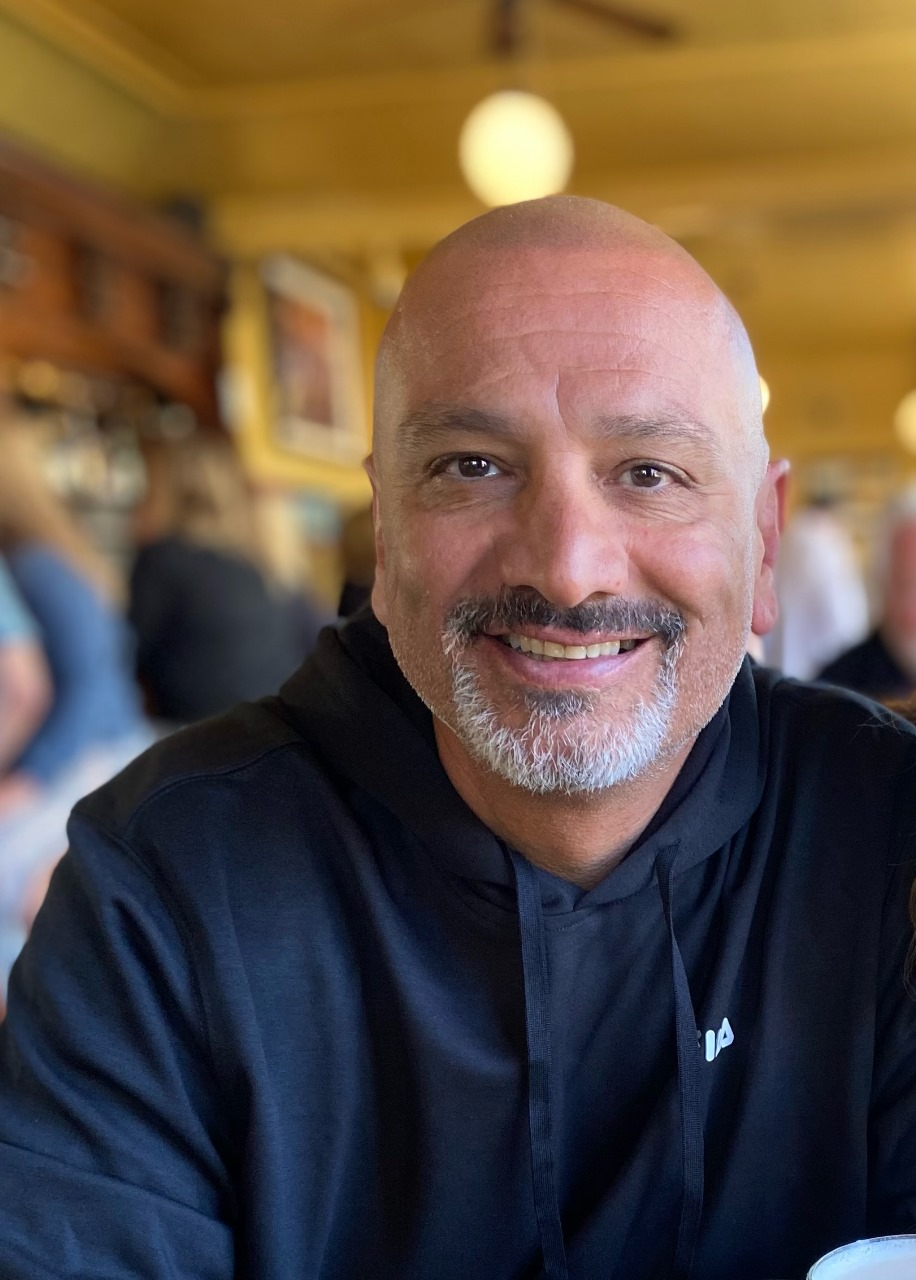
Andy Sharifi
Position
START YOUR VEIN TREATMENT TODAY
Take the first step toward healthier, more comfortable legs. Schedule your consultation today and discover the vein treatment options that suit you best.