

When to See a Vascular Doctor for Circulatory Problems 🩺
Aching legs at night, swelling that doesn’t go away, visible veins, or wounds that heal too slowly—these are not harmless signs of fatigue. They are often early warnings of circulatory dysfunction. Many patients ignore them for years, adapting their lifestyle around discomfort instead of addressing the cause. In clinical practice, I frequently see how delayed care leads to complications that could have been prevented with timely intervention. Knowing when to seek help from a vascular doctor can be the difference between simple treatment and long-term disease management.
Early Signs That Indicate Circulatory Problems ⚠️
Circulatory issues rarely appear suddenly. They develop gradually, often masked as everyday discomfort. The body sends signals long before serious complications arise.
Common early symptoms include:
- ⚠️ Persistent leg heaviness or fatigue
- ⚠️ Swelling in the lower legs or ankles
- ⚠️ Visible varicose or spider veins
- ⚠️ Skin discoloration or dryness
These signs suggest impaired blood flow, often related to venous insufficiency. At this stage, evaluation by a vascular doctor allows for early correction and prevents disease progression.
When Symptoms Become a Medical Concern 🔍
As circulatory problems advance, symptoms become more pronounced and harder to ignore. Pain may intensify, especially after prolonged standing or sitting. Skin may thicken or change color, indicating chronic inflammation.
One of the most concerning developments is the appearance of ulcers—open wounds that heal slowly due to poor circulation. At this point, delaying a visit to a vascular doctor significantly increases the risk of infection and long-term complications.
From a medical standpoint, progression means the underlying issue is no longer mild. It requires targeted treatment, not just symptom relief.
Risk Factors That Should Not Be Ignored 📊
Certain factors increase the likelihood of developing vascular disease, even before symptoms appear. Patients between 40 and 60 are particularly at risk due to cumulative lifestyle and physiological changes.
Key risk factors include prolonged standing or sitting, excess weight, family history of vein disease, and conditions such as diabetes or hypertension. These elements place additional strain on the vascular system and accelerate deterioration.
For individuals with these risks, consulting a vascular doctor early—even without severe symptoms—can provide valuable preventive care.
How a Vascular Doctor Evaluates Your Condition 🧠
A comprehensive evaluation goes beyond a simple physical exam. The process begins with a detailed discussion of symptoms, medical history, and lifestyle factors.
The most important diagnostic tool is duplex ultrasound. This non-invasive method allows real-time assessment of blood flow and vein function. It helps identify reflux, blockages, or structural abnormalities that may not be visible externally.
Accurate diagnosis ensures that treatment is precise. Without it, even well-intentioned interventions may fail to address the root cause.
Modern Treatment Options for Circulatory Disorders 💡
Vein treatment today is far more advanced than many patients expect. Minimally invasive procedures have largely replaced traditional surgery, offering faster recovery and fewer complications.
Depending on the condition, treatment may include lifestyle adjustments, compression therapy, or targeted procedures such as laser therapy or sclerotherapy. Each plan is individualized, based on the severity of the disease and patient-specific factors.
The goal is not only to relieve symptoms but to restore proper circulation and prevent recurrence.
Why Timely Care Protects Long-Term Health ⏳
Delaying care allows circulatory problems to progress from manageable conditions to chronic disease. Over time, poor blood flow affects skin integrity, tissue health, and overall mobility.
Early intervention simplifies treatment and improves outcomes. Patients who seek help at the first signs of discomfort often avoid more aggressive procedures and experience faster recovery.
A vascular doctor plays a critical role not only in treatment but in preserving long-term vascular health. Recognizing the right moment to seek care is an essential step toward maintaining mobility, comfort, and quality of life.
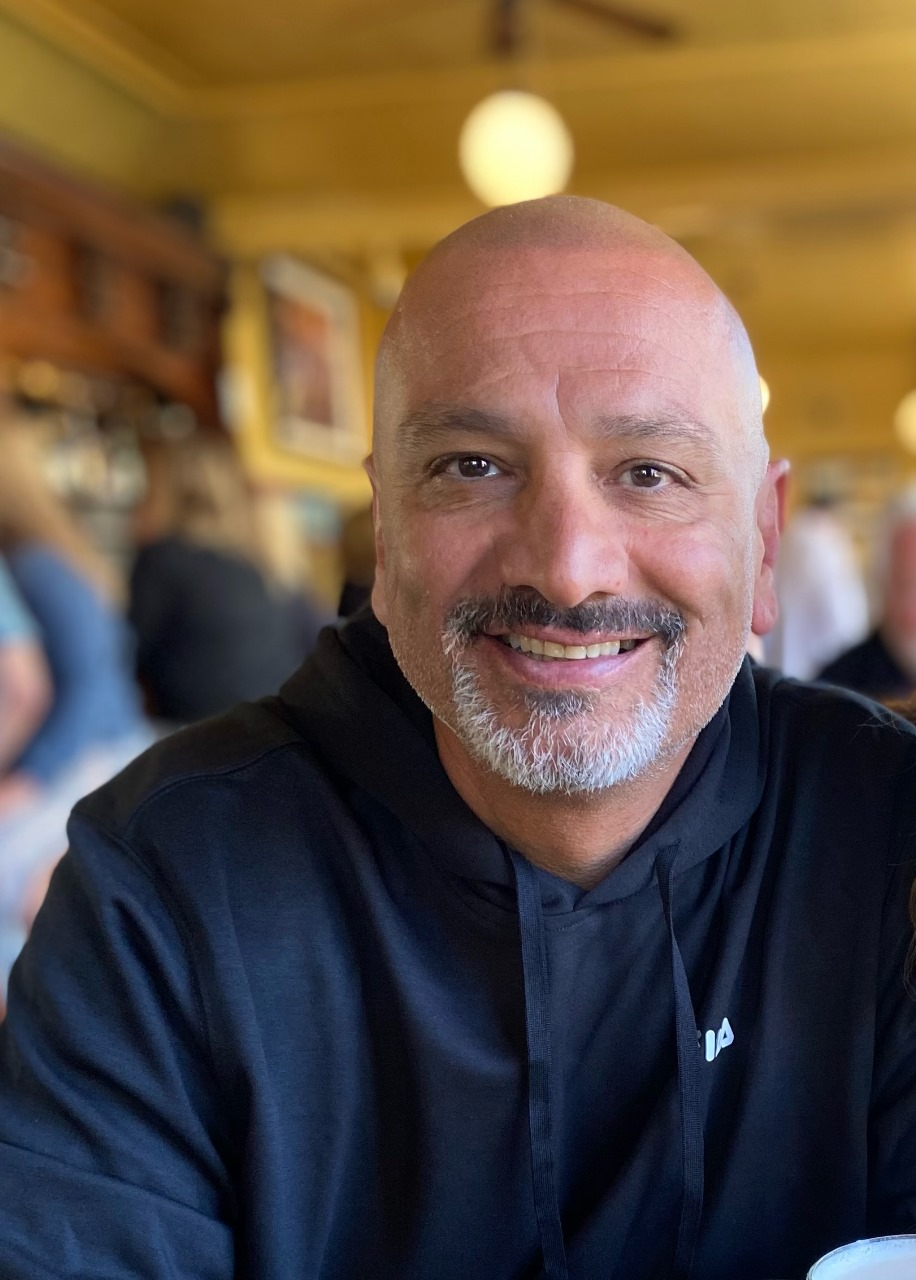
Andy Sharifi
Position