

Benefits and Results of Minimally Invasive Vein Treatment 🩺
Persistent leg heaviness, swelling by the end of the day, visible varicose veins, or skin changes that refuse to heal—these are not minor issues to ignore. They are clinical indicators of venous insufficiency, a condition that affects circulation and progressively worsens without proper care. What many patients don’t realize is that treatment has evolved dramatically. Today, minimally invasive vein treatment allows us to correct these problems with precision, minimal discomfort, and significantly faster recovery. In my years of practice as a phlebologist, I’ve seen patients return to normal life in days instead of weeks—something that was rarely possible with older surgical approaches.
Why Minimally Invasive Vein Treatment Is Now the Standard ⚙️
Modern vein care has shifted toward techniques that prioritize safety and efficiency. Traditional surgery required incisions, anesthesia, and extended downtime. In contrast, minimally invasive methods target the affected veins from within, using image-guided precision.
This approach reduces trauma to surrounding tissues and lowers the risk of complications. For patients between 40 and 60—often balancing work, family, and health concerns—this means treatment that fits into real life, not the other way around.
Key Benefits Patients Notice After Treatment 💡
The advantages of these techniques are not theoretical—they are measurable and immediate. Patients often report improvement within days, with continued progress over the following weeks.
Main benefits include:
- ✅ Reduced pain during and after the procedure
- ✅ Minimal or no scarring
- ✅ Quick return to daily activities
- ✅ Lower risk of recurrence when properly performed
These outcomes are achieved because treatment is focused on eliminating the source of venous dysfunction rather than just addressing visible symptoms.
How Modern Procedures Deliver Consistent Results 🔬
Procedures such as endovenous laser therapy, radiofrequency ablation, and ultrasound-guided sclerotherapy are designed to close or redirect faulty veins. Blood flow is naturally rerouted to healthier vessels, improving overall circulation.
From a clinical perspective, the success of minimally invasive vein treatment depends on accurate diagnostics and proper technique. Duplex ultrasound plays a critical role, allowing the physician to map the venous system and guide the procedure in real time.
This level of control ensures that treatment is both precise and effective, even in more complex cases.
Recovery Timeline and What Patients Should Expect ⏳
Recovery is one of the most significant advantages of modern vein care. Most procedures are performed on an outpatient basis and take less than an hour. Patients are typically encouraged to walk immediately afterward, which promotes healthy circulation.
Mild discomfort, bruising, or tightness may occur, but these symptoms are usually short-lived. Many patients return to work within 24–48 hours, depending on the nature of their activities.
Consistency during recovery—such as wearing compression garments and following medical advice—plays a key role in achieving optimal results.
Addressing Common Concerns About Minimally Invasive Procedures ❗
Despite clear benefits, patients often hesitate due to misconceptions about safety or effectiveness. These concerns are understandable but largely outdated.
Here are the most common questions:
- ⚠️ Is the procedure painful
- ⚠️ Will results last long-term
- ⚠️ Are there risks involved
In practice, discomfort is minimal, especially compared to traditional surgery. When performed correctly, results are durable, and complication rates remain low. Proper patient selection and experienced technique are the factors that make the difference.
Long-Term Impact on Vascular Health and Quality of Life 🌟
Treating venous disease early with minimally invasive vein treatment does more than improve appearance—it restores function. Better circulation reduces swelling, prevents skin damage, and lowers the risk of ulcers.
Patients often report increased energy, improved mobility, and greater confidence in daily activities. These changes are not cosmetic; they reflect a meaningful improvement in overall vascular health.
For individuals experiencing ongoing symptoms, modern vein treatment offers a solution that is both effective and practical. With the right approach, recovery is no longer a prolonged process but a controlled and predictable path back to comfort.
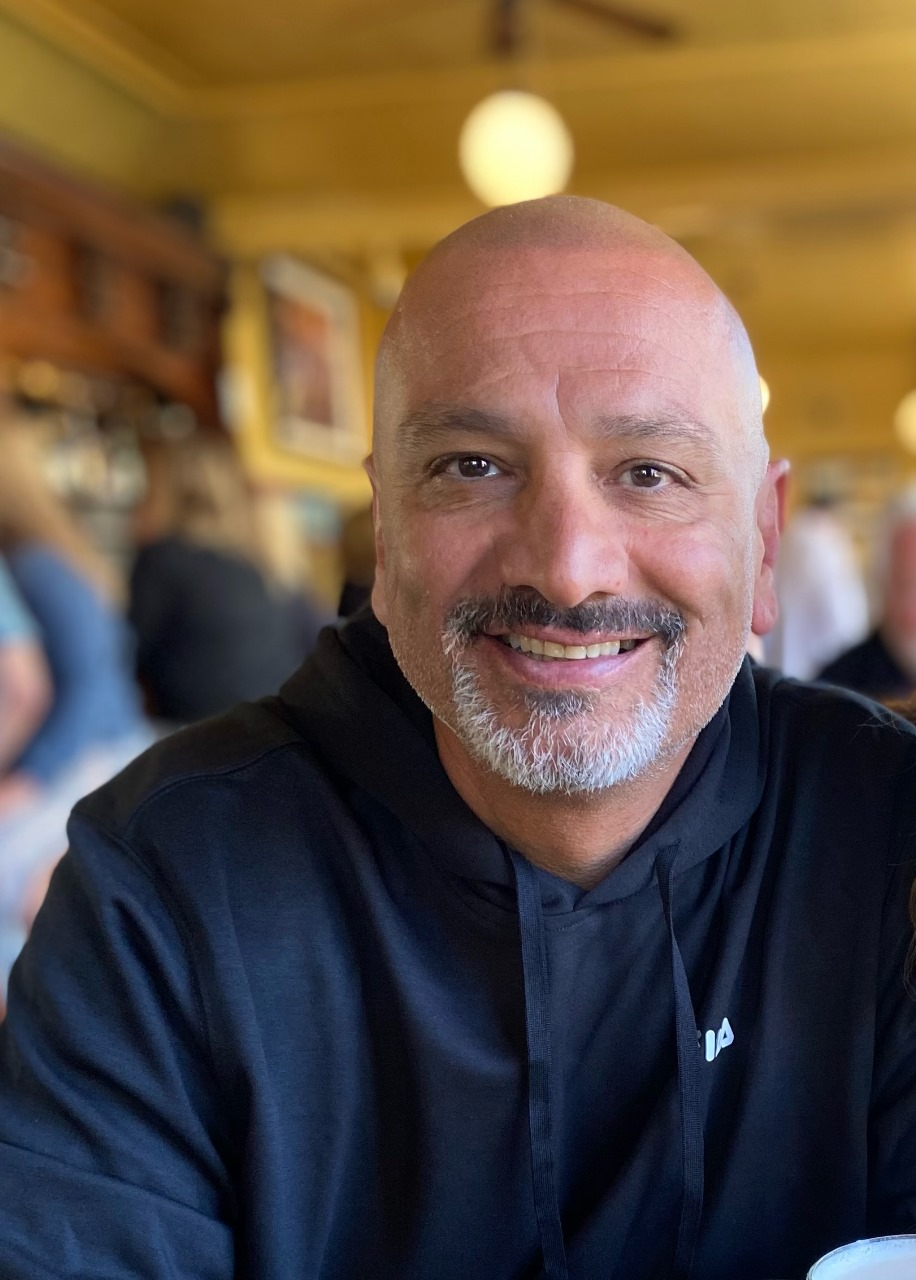
Andy Sharifi
Position