

Burning and Throbbing as Signs of Chronic Vein Pain 🩺
The sensation often starts as a faint warmth, a localized heat that you might initially blame on a long day or the California sun. But as the evening settles in, that warmth sharpens into a rhythmic pulsation—a relentless beat in your calves that makes relaxing nearly impossible. This isn’t just simple muscle fatigue. When your legs feel like they are “on fire” or radiating a deep, internal hum, you are experiencing the neurological and physical fallout of vascular failure. As a phlebologist who has dedicated years to the study of hemodynamics, I know that these sensations are the language your body uses to describe high-pressure reflux.
Many patients between 40 and 60 describe this as a heavy, congested feeling that only subsides when they elevate their limbs. This occurs because the blood is literally trapped. When the one-way valves in your leg veins fail, the blood doesn’t just sit still; it creates turbulence and stretches the vessel walls to their limit. This distension irritates the surrounding nerve fibers, resulting in the distinct discomfort that dictates your quality of life.
Burning and Throbbing Sensations: Recognizing Chronic Vein Pain 🔍
The clinical reality is that venous disease is a progressive inflammatory condition. When blood pools in the lower extremities, it triggers a chemical cascade. White blood cells become “trapped” in the stagnant blood, releasing enzymes that attack the vein walls and the surrounding tissue. This biochemical storm is what produces that localized sensation of heat. It is an internal inflammatory burn, not a surface-level skin irritation. If left unaddressed, this inflammation eventually reaches the skin, leading to stasis dermatitis or even permanent scarring of the dermal layers.
The rhythmic pulse you feel is a direct result of venous hypertension. Your arteries continue to pump fresh blood into your legs with every heartbeat, but if the exit paths are blocked or leaking, the pressure spikes with every pulse. This creates a high-pressure environment where the tissues are physically distended. Without intervention, this pressure eventually forces fluid into the tissue, leading to the swelling and skin breakdown that precede the formation of venous ulcers.
Differentiating Vascular Discomfort from Other Conditions 🦵
It is common for patients to confuse this discomfort with sciatica or peripheral neuropathy. However, vascular distress has a very specific signature. Unlike nerve pain, which often shoots like electricity, vein-related issues feel “congestive” and heavy.
-
📍 Timing of Symptoms: If your discomfort peaks at the end of the day or during a long flight, the culprit is almost certainly your veins, as gravity has had hours to build up the internal pressure.
-
📍 The Heat Factor: While muscle strains might feel better with a heating pad, heat is an enemy to diseased vessels. If a hot bath makes your legs feel significantly worse, you are likely dealing with chronic vein pain.
-
📍 Visual Indicators: While not always present, the appearance of spider veins or varicose veins near the areas of discomfort serves as a secondary confirmation of valvular failure.
-
📍 The Itch-Burn Connection: Often, the heat is accompanied by a maddening itch that no amount of lotion can solve, indicating that the inflammation is beginning to affect the skin.
Precision Intervention and Modern Recovery Pathways 💉
Addressing these sensations requires more than just masking the symptoms with anti-inflammatories. While these provide temporary relief, they do nothing to fix the broken valves causing the pressure. At Vein & Wound Experts, our focus is on permanent mechanical correction. We use duplex ultrasound to look beneath the surface, identifying the specific “feeder” veins that are leaking blood backward. Once these targets are identified, we can utilize minimally invasive technology to close them for good.
Modern treatments like endovenous laser ablation or radiofrequency therapy have completely replaced the need for traditional surgery. These procedures take less than an hour in our Downey facility and involve sealing the diseased vessel from the inside. Once the path is closed, the body naturally reroutes the blood to healthy, functional channels. The results are often felt almost immediately; as the pressure drops, the burning and throbbing as signs of chronic vein pain begin to dissipate, and the skin finally receives the oxygenated blood it needs to stay healthy.
Reclaiming Your Quality of Life 🌟
Living with a constant internal heat and pulse in your legs is exhausting. It drains your energy and limits your ability to participate in the activities you love. It is important to realize that persistent leg discomfort is not a normal part of the aging process. These are treatable medical symptoms that signal a need for specialized care.
By choosing to address the source of your discomfort, you are doing more than just seeking relief; you are preventing the serious complications of advanced venous insufficiency. Whether you are dealing with early-stage discomfort or have already begun to see changes in your skin, we are equipped with the diagnostic precision to restore your legs to their natural, pain-free state. You don’t have to tolerate the “burn”—you simply need to take the first step toward a definitive diagnosis.
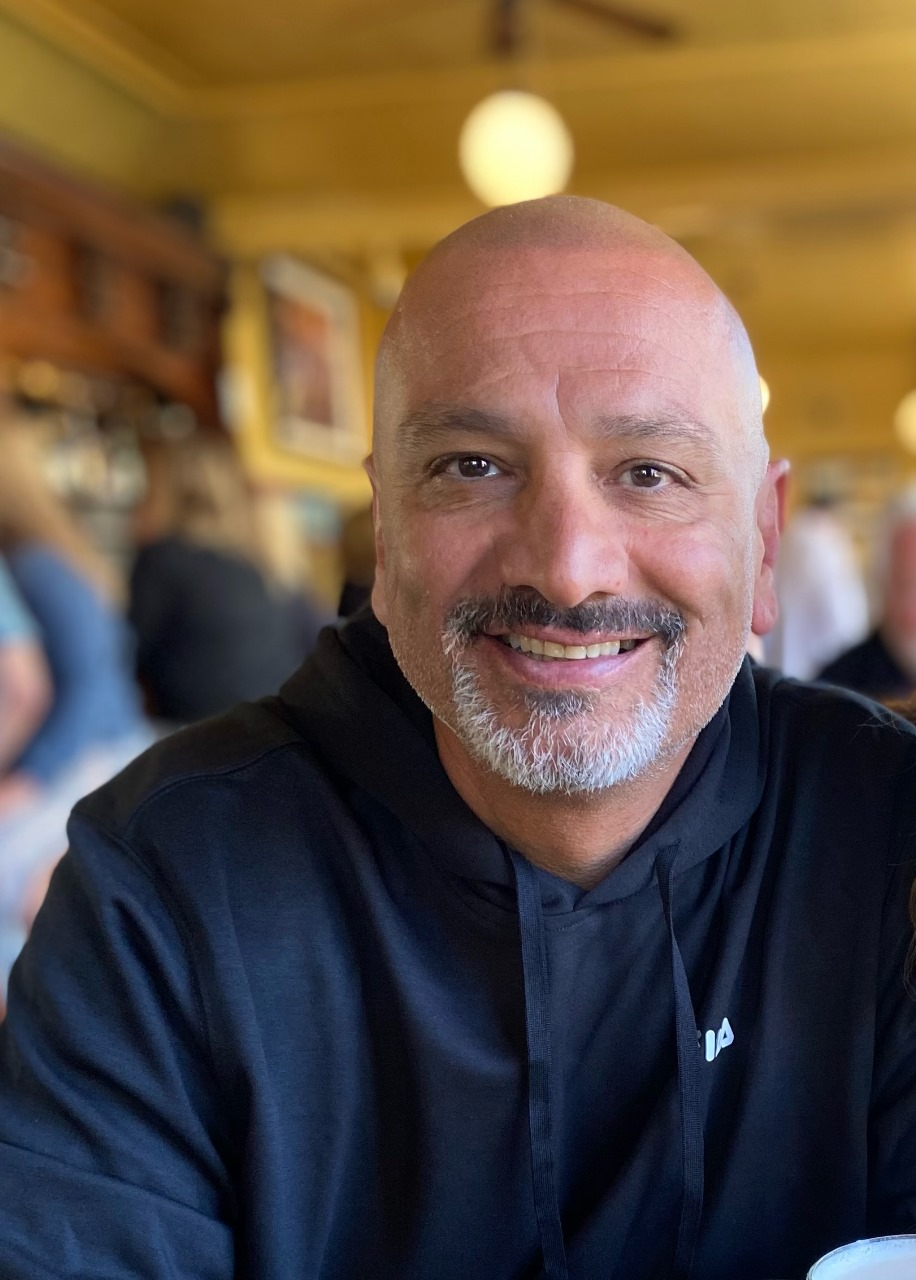
Andy Sharifi
Position