
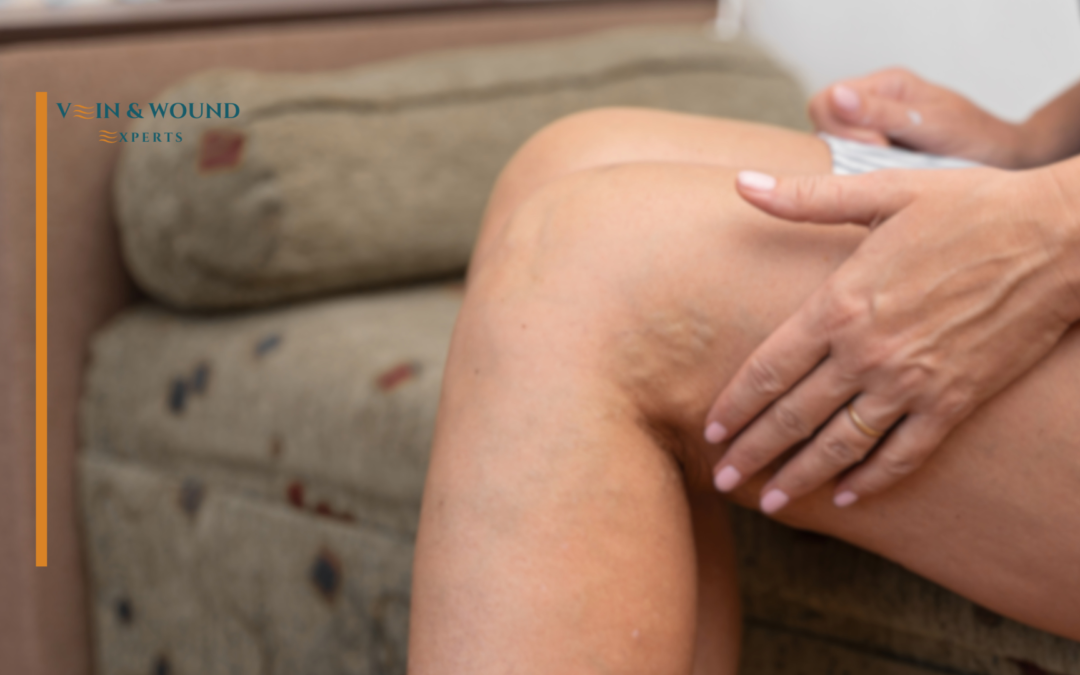
🩹 What Is a Non-Healing Wound and When Should You See a Specialist?
A wound that should be getting better but simply isn’t can be frustrating and concerning. When a cut, sore, or ulcer continues to linger, keeps reopening, or shows little progress, it may be more than a routine injury. A non-healing wound deserves attention when it does not follow the expected path toward recovery.
🔬 What Is a Non-Healing Wound?
Most acute wounds gradually move through the normal stages of healing as the body repairs damaged tissue. A chronic wound, however, does not progress as expected and may remain open, deteriorate, or repeatedly break down.
There is no single number of days that automatically makes every wound chronic. Healing time depends on the type, size, depth, location, cause, and the person’s overall health.
When a wound is taking longer than expected to improve, it may be experiencing delayed wound healing. The goal of an evaluation is not simply to determine how long the wound has been present. It is to identify why normal tissue repair is not progressing and whether an underlying condition is interfering with healing.
⚠️ 7 Common Causes of Non-Healing Wounds
1. 🩸 Poor Blood Circulation
Adequate blood flow delivers oxygen and nutrients that damaged tissue needs to repair itself. When arterial blood flow is reduced, healing can become more difficult.
Peripheral artery disease is one condition that can limit blood supply to the legs and feet. A person may experience changes in skin color or temperature, leg discomfort, or wounds that remain open longer than expected.
2. 🦵 Chronic Venous Insufficiency
Problems with the veins can also interfere with wound healing, but through a different mechanism.
With venous insufficiency, blood may have difficulty returning from the legs toward the heart. Venous reflux can cause blood to pool in the lower extremities, increasing pressure within the veins.
Persistent swelling and skin changes may develop, and venous ulcers can form when tissue becomes damaged.
3. 🩺 Diabetes and Nerve Damage
Diabetes can affect wound healing in several ways. High blood glucose can interfere with normal healing processes, while nerve damage may reduce sensation in the feet and legs.
Someone with diabetic wounds may not notice a blister, cut, pressure injury, or other damage until it has become more serious. Diabetes may also occur alongside circulation problems that further complicate healing.
4. 🦠 Wound Infection
A wound infection can interfere with tissue repair and cause a wound to become larger or more inflamed.
Signs may include:
-
Increasing redness.
-
Warmth.
-
Swelling.
-
Pain.
-
Drainage or unusual odor.
-
Fever.
Not every wound with drainage is infected, and not every red area around a wound means there is a bacterial infection. A clinical evaluation may be necessary when infection is suspected.
5. 💧 Persistent Swelling and Edema
Fluid accumulation can place additional stress on already damaged tissue. Persistent swelling may also make wound management more difficult and contribute to changes in the surrounding skin.
If swelling continues while a wound remains open, identifying the reason for the swelling can be an important part of improving the overall wound environment.
6. ⚡ Repeated Pressure or Skin Trauma
A wound may struggle to close when the same area continues to experience pressure, friction, or repeated injury.
This can be particularly important for wounds on the feet, where walking and weight-bearing can repeatedly stress damaged tissue. Protecting the affected area and identifying the source of repeated trauma may be necessary for healing to progress.
7. 🧬 Underlying Medical Conditions
Some wounds are affected by health conditions that are not immediately obvious.
Nutritional deficiencies, certain medications, immune problems, and other systemic conditions can interfere with normal healing. This is one reason wounds that won’t heal should not automatically be treated as simple skin problems.
A detailed medical history can help identify factors that may be contributing to the delay.
VEIN & WOUND EXPERTS
Are Your Legs Trying to Tell You Something?
Experiencing varicose veins, leg swelling, discomfort or slow-healing wounds? Our team provides personalized vein and wound care to help you take the next step toward healthier legs.
Vein & Wound Experts – Downey, CA
🚨 What Are the Warning Signs of a Non-Healing Wound?
A wound may need closer attention when it does not show expected improvement or begins to deteriorate.
Warning signs include:
-
📉 Little or no improvement over time.
-
📏 Increasing wound size or depth.
-
💧 Persistent or increasing drainage.
-
🔴 Redness, warmth, or swelling around the wound.
-
⚡ New or worsening pain.
-
🎨 Changes in the surrounding skin.
-
🔄 A wound that repeatedly closes and reopens.
Common non-healing wound symptoms vary depending on the underlying cause. Some people may have significant discomfort, while others may have reduced sensation and very little pain.
A wound that becomes rapidly more painful, develops spreading redness, produces concerning drainage, or is accompanied by fever or chills should receive prompt medical attention.
🩺 When Should You See a Wound Care Specialist?
You do not necessarily need to wait until a wound becomes severe before seeking professional advice.
Consider when to see a wound care specialist if a wound:
-
Is not progressing as expected.
-
Continues to reopen.
-
Becomes increasingly deep or large.
-
Develops persistent drainage or surrounding skin changes.
Earlier evaluation can be particularly important when diabetes, known circulation problems, significant swelling, or previous chronic wounds are involved.
A specialist can look beyond the wound itself and investigate whether circulation, infection, pressure, diabetes, or another underlying condition is interfering with healing.
🔍 How Do Specialists Diagnose Non-Healing Wounds?
Evaluation generally begins with a medical history and physical examination. The specialist may ask how the wound started, how long it has been present, whether it has changed, and what care has already been attempted.
The wound may be measured and assessed for:
-
Size and depth.
-
Tissue condition.
-
Drainage.
-
Surrounding skin changes.
-
Signs of infection.
A vascular assessment may be appropriate when poor arterial or venous circulation is suspected.
Depending on the findings, additional testing may be recommended. A duplex ultrasound can provide information about blood flow through the veins and help identify certain venous problems. Other vascular or laboratory testing may also be considered when clinically indicated.
A vascular evaluation can be particularly important when a wound is slow to heal and there are signs of arterial disease, venous disease, or another circulation problem.
The purpose of the evaluation is to identify the factors interfering with healing rather than simply treating the visible wound.
🩹 What Treatment Options Are Available for Non-Healing Wounds?
Treatment depends on the wound’s cause, severity, location, and overall condition. There is no single approach that works for every persistent wound.
Care may include:
-
🩺 Appropriate wound dressings to protect the affected area and support wound management.
-
🛡️ Protection from pressure or repeated trauma to prevent further tissue damage.
-
🦵 Management of swelling when edema contributes to delayed healing.
-
🦠 Infection treatment when an infection is present.
-
🧼 Wound debridement when nonviable or damaged tissue is interfering with the wound.
Wound debridement is not automatically necessary for every wound and should be based on clinical findings.
Some patients may benefit from advanced wound care, while others may primarily need treatment directed at an underlying vascular condition.
Compression may be appropriate for certain venous wounds, but vascular status should be assessed before compression is recommended.
The focus of chronic wound treatment is to address both the wound and the factors preventing normal healing.
❓ Frequently Asked Questions
⏳ How long does it take for a wound to become chronic?
There is no universal timeframe that automatically classifies every wound as chronic. Healing depends on the wound type, location, size, depth, cause, and the patient’s overall health. A wound that is not progressing as expected may need evaluation even before it reaches a particular number of weeks.
🔍 What is the most common reason wounds do not heal?
There is no single cause for every wound. Poor circulation, venous disease, diabetes, infection, swelling, repeated pressure, and other medical factors can all interfere with healing.
🩸 Can a non-healing wound be a sign of poor circulation?
Yes. Both reduced arterial blood flow and problems with venous circulation can contribute to delayed healing. Testing may be needed to determine which vascular factors, if any, are involved.
🔄 Should I see a doctor if my wound keeps reopening?
Yes. Repeated reopening can indicate that the original cause has not been adequately addressed. Pressure, infection, circulation problems, and other factors may need to be evaluated.
🩺 What does a wound care specialist do?
A wound care specialist evaluates the wound, looks for underlying causes, monitors healing progress, and determines which treatments or additional evaluations may be appropriate.
🌱 Can chronic wounds heal completely?
Some chronic wounds can heal, but outcomes vary depending on the cause, wound severity, circulation, infection status, overall health, and response to treatment. No particular treatment can guarantee complete healing.
📍 Find a Wound Care Specialist in Downey, CA
A wound that continues to linger or repeatedly reopen should not be ignored. Finding the reason healing has stalled is an important part of deciding what care may be appropriate.
Vein & Wound Experts provides evaluation and care for persistent wounds in Downey, CA.
If you have a non-healing leg wound, recurring ulcer, or wound that is not improving as expected, schedule an evaluation to identify the underlying factors and discuss appropriate treatment options.
WE'RE HERE TO HELP
Have Questions About Your Vein Health?
Whether you're experiencing varicose veins, leg swelling, discomfort or slow-healing wounds, our team is here to help you understand your treatment options and take the next step toward healthier legs.
Andy Sharifi
Position