

🩹 When Does a Chronic Leg Wound Need Advanced Wound Care?
A leg wound that does not improve despite routine cleaning and dressing changes may need more than basic wound care. The reason may be persistent swelling, infection, poor circulation, pressure, tissue damage, or another underlying condition that is preventing normal healing.
Advanced wound care for chronic leg wounds is not one specific procedure. It is a specialized approach that looks at the wound itself as well as the factors affecting healing. The appropriate care depends on the wound’s size, depth, tissue condition, drainage, duration, and underlying cause.
🔬 What Is Considered a Chronic Leg Wound?
A wound becomes concerning when it fails to progress through the expected stages of healing. A wound that remains open for an extended period, repeatedly breaks down, or shows little meaningful improvement may require a closer evaluation.
The duration of the wound is only one factor. Its depth, size, drainage, surrounding skin, blood supply, infection status, and the patient’s overall health can all influence healing.
Conditions such as venous disease, arterial disease, diabetes, pressure, and infection can interfere with repair. Effective chronic wound management therefore involves more than treating the visible opening in the skin. The underlying factors need to be identified and addressed whenever possible.
🚨 7 Signs Your Leg Wound May Need Advanced Wound Care
1. 📉 The Wound Shows Little Improvement
A wound that remains essentially unchanged despite appropriate care deserves reassessment. Normal healing should generally show some progression over time, although the rate varies depending on the wound and the patient’s health.
If routine care has not produced meaningful improvement, a specialist may need to reassess the wound’s depth, tissue condition, circulation, infection status, and underlying cause. This is where a non-healing wound specialist may be appropriate.
2. 📏 The Wound Continues to Increase in Size
A wound that becomes larger rather than smaller can indicate ongoing tissue breakdown or an unresolved cause. Increasing size may be associated with persistent pressure, swelling, infection, vascular disease, or other factors.
Simply changing the dressing may not address the reason the tissue continues to deteriorate.
3. 💧 Persistent or Excessive Drainage
Some drainage can occur during healing, but persistent or heavy drainage may indicate inflammation, infection, significant swelling, or another problem affecting the wound.
The amount, color, consistency, and odor of drainage can provide useful information. Ongoing moisture can also damage the surrounding skin, making appropriate wound dressings and drainage management important parts of care.
4. 🦠 Recurrent Wound Infections
Repeated infections can interfere with healing and may signal that an underlying problem has not been adequately addressed.
Signs such as increasing redness, warmth, swelling, pain, unusual odor, drainage, or fever require medical attention. Infection control is an important component of chronic wound management, but infection is not always the only reason a wound fails to heal.
5. 🦵 Significant Swelling Around the Wound
Persistent swelling can place additional stress on damaged tissue. In people with venous disease, increased pressure within the veins can contribute to edema, skin changes, and delayed healing.
When appropriate, compression may be part of venous ulcer management, but it should not be applied automatically to every leg wound. Arterial circulation needs to be appropriately evaluated before compression is recommended.
6. 🩺 Visible Tissue Damage or Deep Wound Areas
A wound that extends deeply into tissue requires careful professional assessment. The depth and condition of the wound bed can affect what type of care is appropriate.
Nonviable tissue may interfere with healing and, when clinically indicated, wound debridement may be considered. Debridement is not automatically necessary for every chronic wound and should be based on the wound’s characteristics and the patient’s overall condition.
7. 🔄 Repeated Wound Recurrence
A wound that repeatedly closes and then reopens may indicate that the original cause has not been adequately managed.
For example, an ulcer associated with an underlying venous problem may recur if abnormal venous pressure remains untreated. Other causes, including pressure, diabetes, and arterial disease, can also contribute to recurrence.
Preventing another wound therefore requires more than closing the current one. The factors that contributed to the wound need to be evaluated.
VEIN & WOUND EXPERTS
Are Your Legs Trying to Tell You Something?
Experiencing varicose veins, leg swelling, discomfort or slow-healing wounds? Our team provides personalized vein and wound care to help you take the next step toward healthier legs.
Vein & Wound Experts – Downey, CA
🩹 What Advanced Wound Care Treatments Are Available?
Advanced care is individualized and may involve several approaches rather than one procedure. The options depend on the type, severity, location, and cause of the wound.
🧼 Professional Wound Debridement
Debridement involves removing nonviable, damaged, or unwanted tissue when clinically appropriate. Removing unhealthy tissue can allow the wound bed to be assessed more clearly and may be part of wound bed preparation.
However, debridement is not appropriate in every situation. The wound’s circulation, depth, tissue condition, infection status, and other factors need to be considered before choosing this approach.
🩺 Specialized Wound Dressings
Dressings are selected according to the wound’s characteristics rather than using one product for every patient.
Factors such as moisture level, drainage, depth, and tissue condition can influence the choice. The purpose may be to protect the wound, manage drainage, maintain an appropriate moisture environment, and protect surrounding tissue.
Dressing selection should be reviewed as the wound changes.
🦵 Compression Therapy for Venous Ulcers
Compression may help manage swelling and abnormal venous pressure in appropriately selected patients with venous disease.
However, compression is not suitable for every wound or every patient. An assessment of arterial circulation should be performed when indicated before compression is recommended. This is particularly important when arterial disease is suspected.
⚙️ Negative Pressure Wound Therapy
Negative pressure wound therapy uses controlled suction through a specialized dressing system to help manage selected wounds.
It may assist with fluid management and support the wound environment in certain situations. It is not appropriate for every chronic wound, and its use depends on factors such as wound type, tissue condition, infection status, and the patient’s overall health.
🩸 Treatment of Underlying Vascular Conditions
Sometimes the most important part of wound care is addressing the condition that contributed to the wound in the first place.
Venous reflux, arterial disease, swelling, and other circulation problems may interfere with healing. Treating the wound while ignoring an underlying vascular problem may leave an important contributor unresolved.
This is why wound management and treatment of the underlying vascular condition should be considered together when appropriate.
🔍 What Happens During an Advanced Wound Care Evaluation?
An evaluation typically begins with a medical history and detailed examination of the wound. The specialist may document its size, depth, location, drainage, tissue condition, and surrounding skin.
The clinician may also assess swelling, sensation, pulses, and other signs of circulation problems. A vascular assessment can help determine whether arterial or venous disease may be contributing to delayed healing.
Additional testing may be recommended depending on the findings. For example, vascular imaging may be used when venous or arterial problems need further evaluation.
The findings help determine which advanced wound care options are appropriate. The goal is to develop individualized care based on the patient’s wound and underlying health rather than automatically selecting an advanced treatment.
📍 Advanced Wound Care in Downey, CA
A chronic wound should not be judged only by how it looks on the surface. When a wound remains open, becomes larger, drains persistently, repeatedly becomes infected, or returns after appearing to heal, a more detailed evaluation may be appropriate.
Vein & Wound Experts provides specialized wound care in Downey CA patients can access for persistent and recurring leg wounds. The evaluation can help identify wound-specific and underlying factors affecting chronic wound healing and determine whether specialized treatment is appropriate.
If your leg wound has stopped improving or continues to return despite routine care, schedule an evaluation to understand what may be preventing healing and what options may be appropriate for your condition.
❓ Frequently Asked Questions
⏳ When is a wound considered chronic?
A wound is generally considered chronic when it fails to progress through normal healing within the expected timeframe or repeatedly remains open. The exact timeline can vary depending on the type of wound and the patient’s health.
🩹 What is the difference between standard and advanced wound care?
Standard care may involve routine cleaning, protection, and dressing changes. Advanced care involves a more detailed evaluation of wound characteristics and underlying causes and may include specialized interventions when clinically appropriate.
🩺 Can advanced wound care help a wound that has not healed for months?
It may help identify factors that are interfering with healing and provide specialized management when appropriate. However, outcomes depend on the wound, underlying conditions, circulation, infection status, and other individual factors.
🧼 Does every chronic wound need debridement?
No. Wound debridement is considered when nonviable or unwanted tissue is affecting the wound and when the procedure is appropriate for that patient. Some chronic wounds do not require debridement.
🔄 Can advanced wound care prevent leg ulcers from returning?
Specialized care can help address factors that contribute to recurrence, but preventing recurrence depends on the underlying cause. Managing venous disease, pressure, circulation problems, diabetes, and other contributing factors may be important.
WE'RE HERE TO HELP
Have Questions About Your Vein Health?
Whether you're experiencing varicose veins, leg swelling, discomfort or slow-healing wounds, our team is here to help you understand your treatment options and take the next step toward healthier legs.
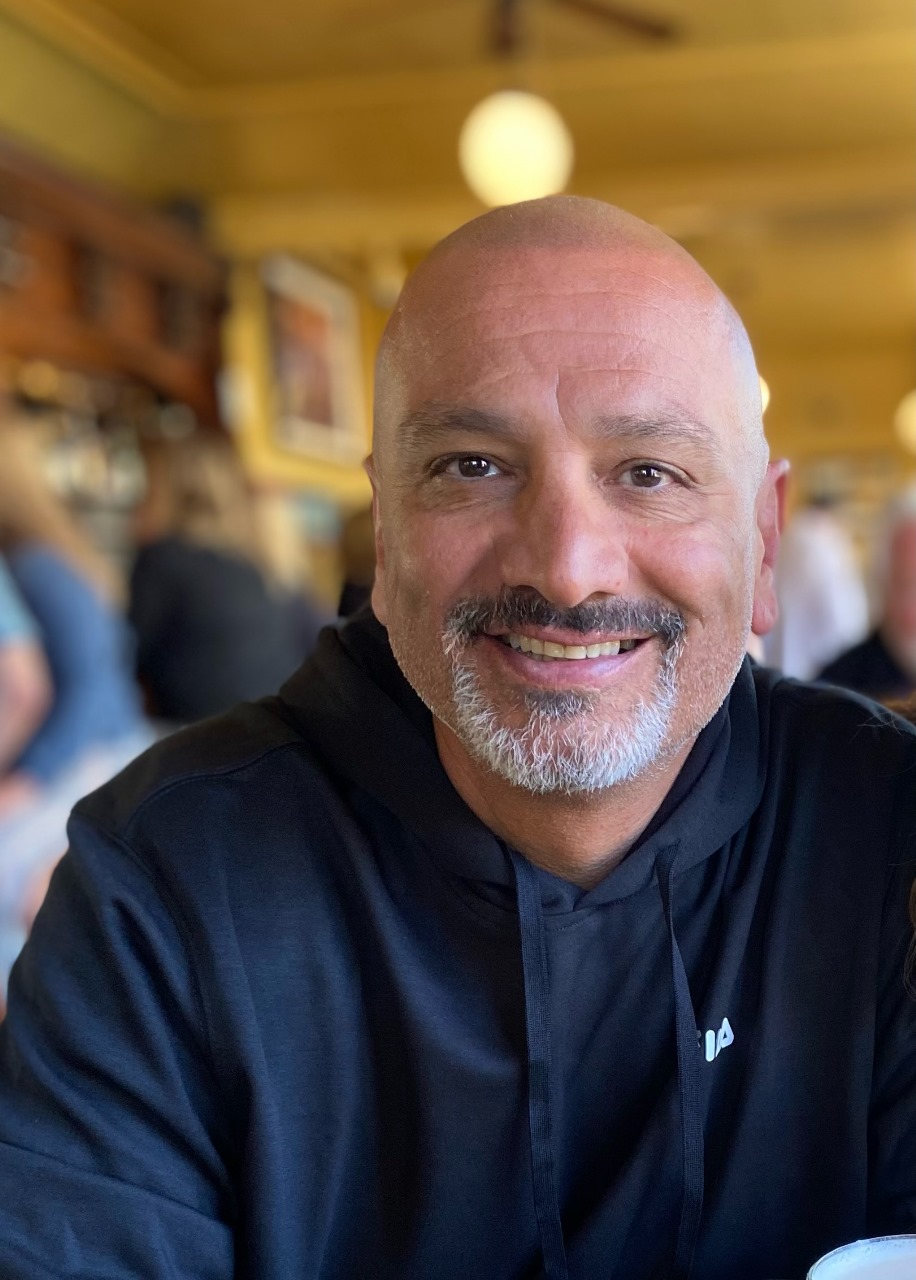
Andy Sharifi
Position