

Can Poor Blood Flow Affect How Your Skin Heals? 🩹
A small cut that refuses to close, a scrape that remains sore for weeks, or an ankle wound that repeatedly reopens may indicate more than a problem with the skin itself. Healing depends on a continuous supply of oxygen, nutrients, immune cells, and other substances carried through the bloodstream. When circulation is impaired, the body may struggle to repair even relatively minor tissue damage.
For adults with varicose veins, chronic leg swelling, diabetes, or a history of leg ulcers, this connection is particularly important. Circulation problems can interfere with wound healing in different ways: some restrict the blood reaching the tissue, while others cause blood and fluid to accumulate in the legs, promoting inflammation and skin breakdown.
From a phlebology perspective, a wound that heals slowly should prompt consideration of the underlying circulation, not just the visible injury. Identifying the cause early can help prevent complications and guide treatment toward restoring the conditions the skin needs to repair itself.
🔬 Why Healthy Blood Flow Is Essential for Skin Repair
Wound healing is an active biological process, not simply the gradual covering of damaged skin. Immediately after an injury, the body forms a clot to control bleeding. Inflammatory cells then help clear damaged tissue and defend against microorganisms. During the next stages, new blood vessels develop, connective tissue fills the wound, and skin cells migrate across the surface.
Every stage requires adequate circulation. Oxygen supports cellular energy production and collagen synthesis, while nutrients provide the materials needed to build new tissue. White blood cells help control infection, and the vascular system transports substances involved in inflammation and repair.
When blood supply is inadequate, these processes become less efficient. Tissue may remain damaged for longer, the wound can struggle to develop healthy granulation tissue, and new skin may advance slowly from the edges.
This is why poor circulation and delayed wound healing are closely connected. A dressing can protect the wound, but it cannot independently correct a lack of oxygen delivery or persistent pressure within the veins.
🩸 Arterial Insufficiency and Venous Disease Affect Healing Differently
Not all circulation problems work in the same way. Distinguishing between arterial insufficiency and venous disease is essential because each affects tissue health through a different mechanism.
Peripheral artery disease (PAD) reduces blood flow through arteries that carry oxygen-rich blood toward the legs and feet. Narrowed arteries may limit the oxygen and nutrients available to injured tissue. Wounds associated with arterial disease often appear on the toes, feet, heels, or outer ankle, although their location can vary. The skin may look pale, feel cool, or heal very slowly.
Chronic venous insufficiency creates a different problem. When the one-way valves in the leg veins fail, blood can flow backward and accumulate in the lower extremities. Pressure inside the veins rises, allowing fluid and inflammatory substances to move into surrounding tissues.
This can cause edema, skin discoloration, dermatitis, and eventually venous ulcers, commonly around the ankle. In this situation, the problem is not simply that too little blood reaches the leg. Impaired venous return creates pressure and inflammation that damage the tissue and interfere with repair.
Some patients have both arterial and venous disease. Their wounds may require a carefully coordinated treatment plan rather than an approach focused on only one type of circulation problem.
⚠️ Signs That Circulation May Be Slowing Wound Healing
A wound’s appearance and the condition of the surrounding skin can provide important clues. These signs do not establish a diagnosis, but they can indicate when further evaluation is appropriate.
-
🩹 A wound that remains open or repeatedly reopens: Persistent tissue damage may reflect inadequate blood supply, venous hypertension, infection, pressure, or another underlying condition.
-
🦵 Swelling that increases throughout the day: Ankle and lower-leg edema may suggest venous insufficiency, especially when accompanied by varicose veins or heaviness.
-
🟤 Brown, red, or unusually pale skin: Brown pigmentation and dermatitis may occur with chronic venous disease, while pale or cool skin can raise concern about reduced arterial circulation.
-
🌡️ Pain, temperature changes, or fragile skin: Increasing discomfort, coldness, or skin that breaks down easily may indicate a problem requiring clinical assessment.
People with diabetes need particular caution because peripheral neuropathy can reduce sensation. A wound may become serious without causing much pain, so visible changes should not be ignored.
🧬 How Poor Circulation Disrupts the Healing Process
When circulation is impaired, the effects extend beyond oxygen delivery. In arterial disease, reduced perfusion limits the resources available for cell growth, immune activity, and tissue rebuilding. If the tissue becomes severely deprived of oxygen, damage may progress and the risk of tissue loss increases.
In venous disease, persistent pressure and edema create an inflammatory environment. Fluid accumulating around cells increases tissue tension, while chronic inflammation can damage the skin barrier and surrounding structures. The skin may become thickened, itchy, or discolored before an ulcer forms.
Both mechanisms can interfere with the development of healthy tissue and the final stage of wound closure. A wound may appear to improve temporarily but then stop progressing, particularly when the underlying condition remains untreated.
Other factors can compound the problem. Diabetes may affect small blood vessels and immune function, smoking reduces oxygen delivery, and inadequate nutrition can limit the materials needed for tissue repair. Repeated pressure or friction may also damage newly formed tissue.
Slow healing is therefore a clinical sign worth investigating, rather than a reason to keep changing dressings without reassessing the cause.
🔍 How Specialists Evaluate Circulation and Wound Healing
A comprehensive evaluation considers the wound itself and the blood flow supplying the affected area. The clinician examines its location, depth, edges, drainage, surrounding skin, and changes over time. Medical history may reveal risk factors such as diabetes, smoking, varicose veins, previous blood clots, or peripheral artery disease.
When venous insufficiency is suspected, a duplex ultrasound can help identify abnormal blood flow, reflux through damaged valves, or venous obstruction. If arterial disease is possible, tests such as an ankle-brachial index, toe pressure measurements, or other vascular studies may be recommended.
These findings influence treatment decisions. Compression can be useful for venous ulcers, but arterial circulation must be assessed when indicated before compression is prescribed. Applying standard compression without accounting for significant arterial insufficiency can compromise tissue further.
For patients in Downey, California, Vein & Wound Experts can help evaluate persistent leg wounds and investigate whether vascular disease is interfering with recovery.
💊 What Helps the Skin Heal When Circulation Is Impaired?
Treatment depends on the underlying cause. Appropriate wound care may include cleansing, dressings suited to the wound’s drainage, protection of surrounding skin, and monitoring of wound size and tissue condition.
For venous ulcers, clinician-directed compression, leg elevation, and regular walking may help control swelling and improve venous return. When significant venous reflux is confirmed, procedures such as endovenous ablation or ultrasound-guided sclerotherapy may be considered to address the abnormal veins.
Arterial wounds may require specialist vascular treatment to improve blood flow. Pressure injuries need pressure relief, while wounds associated with diabetes may require offloading, glucose management, and careful assessment for infection. Adequate protein and nutrient intake, smoking cessation, and management of relevant medical conditions can also support recovery.
Seek prompt medical care if a wound develops spreading redness, increasing warmth, worsening pain, pus, or fever. A suddenly cold, pale, blue, or severely painful foot requires urgent assessment. Sudden swelling in one leg, especially with pain or warmth, also warrants urgent evaluation for a possible blood clot.
📍 When to Seek a Vein and Wound Evaluation
If a cut or ulcer remains open longer than expected, repeatedly breaks down, or develops alongside swelling and skin discoloration, do not assume that healing simply takes longer with age. The wound may need a closer examination of the circulation and other factors affecting tissue repair.
The central point is that healthy skin repair depends on more than surface wound care. Adequate arterial blood supply, effective venous return, and control of inflammation all contribute to recovery. When one or more of these processes is disrupted, identifying and treating the underlying problem becomes an important part of wound management.
If you have a slow-healing leg wound, varicose veins, or persistent lower-leg swelling, a professional vein and wound evaluation in Downey, CA can help identify possible causes and determine which treatments are appropriate for your condition.
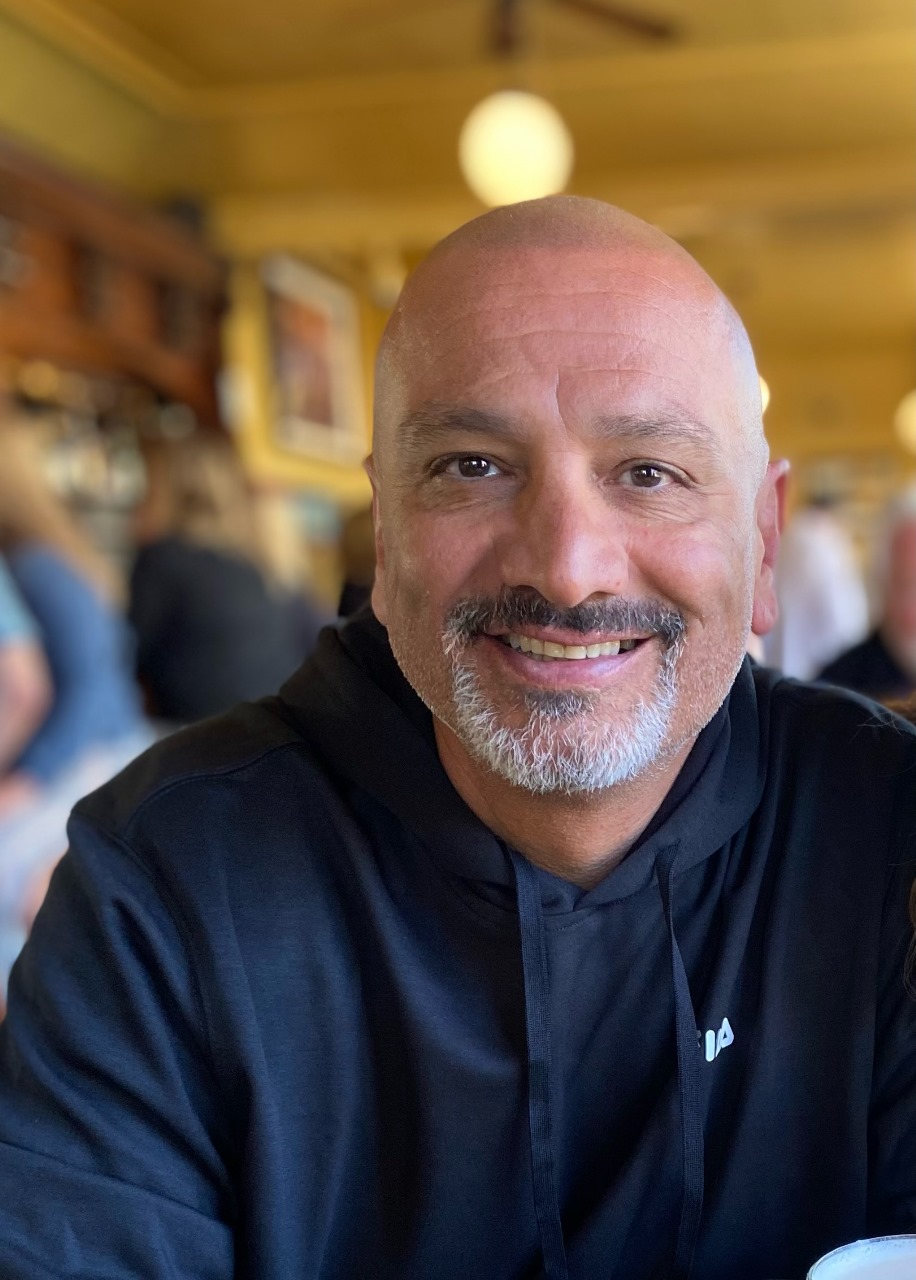
Andy Sharifi
Position
START YOUR VEIN TREATMENT TODAY
Take the first step toward healthier, more comfortable legs. Schedule your consultation today and discover the vein treatment options that suit you best.