

🚶 Why Walking Relieves Leg Pain From Vein Disease
It seems counterintuitive: your legs hurt while you’re sitting at your desk, standing in line, or relaxing on the couch—but after a short walk, the discomfort begins to fade. Many people assume this means nothing serious could be wrong. In reality, relief with movement is one of the most valuable clues a vein specialist can use when evaluating chronic leg pain. Unlike many orthopedic conditions that worsen with activity, vein disease often improves when the muscles begin working. Every step activates a powerful pumping system inside the calves that helps move blood back toward the heart, reducing the pressure that has been building inside the veins. As a phlebologist, I often meet patients who spent years treating “muscle pain” without realizing they were experiencing the earliest signs of chronic venous insufficiency. Recognizing why walking provides relief can lead to earlier diagnosis, more effective treatment, and a lower risk of complications such as persistent swelling, skin damage, and venous leg ulcers.
🩺 Why Does My Leg Pain Improve After Walking?
The explanation lies in the unique way veins function. Unlike arteries, which rely on the heart to push blood through the body, leg veins depend heavily on the calf muscles. Every time you walk, these muscles contract and squeeze the deep veins, pushing blood upward against gravity. Healthy vein valves keep that blood moving in the correct direction.
When the valves become weakened or damaged, blood begins to pool in the lower legs. Walking temporarily restores a more efficient blood flow by activating the calf muscle pump, reducing venous pressure and relieving symptoms such as aching, heaviness, tightness, and fatigue.
💙 How Movement Improves Vein Circulation
The calf muscles are often called the body’s “second heart” because of their critical role in circulation. Without regular muscle contractions, blood moves more slowly through the veins, particularly in the lower legs where gravity constantly works against healthy circulation.
Even a brief walk stimulates the muscles enough to improve venous return. This reduces congestion inside the veins, limits fluid accumulation in surrounding tissues, and improves oxygen delivery throughout the legs. Many patients notice that discomfort decreases within minutes of walking, only to return after extended periods of inactivity.
This pattern is especially common in people who spend much of the day sitting at a computer, driving, or standing in one position for work.
⚠️ Signs Your Leg Pain May Be Related to Vein Disease
Leg pain has many possible causes, but several symptoms strongly suggest that poor venous circulation may be contributing.
Watch for patterns such as:
- 🟢 Pain or heaviness that improves after walking
- 🟢 Symptoms becoming worse after prolonged standing or sitting
- 🟢 Relief when elevating the legs
- 🟢 Mild ankle swelling by the end of the day
- 🟢 Spider veins or visible varicose veins
- 🟢 Burning, itching, or tightness around the lower legs
When these symptoms occur together, chronic venous insufficiency should be considered as a possible diagnosis.
🔬 Why Walking Helps but Doesn’t Treat Damaged Veins
Although regular walking significantly improves circulation, it cannot repair malfunctioning vein valves. Once activity stops, blood may begin pooling again if venous insufficiency is present.
As the condition progresses, elevated venous pressure can gradually damage the skin and surrounding tissues. Patients who delay treatment may eventually develop persistent swelling, brown skin discoloration, inflammation, thickened skin, or venous ulcers that become increasingly difficult to heal.
A duplex ultrasound examination provides a detailed evaluation of blood flow, allowing physicians to identify abnormal venous reflux before complications become advanced.
🌿 Supporting Healthy Veins Every Day
Walking remains one of the most effective daily habits for improving venous circulation. Regular physical activity strengthens the calf muscle pump and reduces blood pooling in the lower legs. Additional strategies include maintaining a healthy weight, avoiding prolonged sitting or standing, elevating the legs after long periods of activity, and wearing compression stockings when medically recommended.
If chronic venous insufficiency is confirmed, minimally invasive vein procedures can eliminate damaged veins from the circulation and redirect blood into healthier vessels. Treating the underlying cause provides more lasting symptom relief than lifestyle changes alone while helping reduce the risk of future complications.
📍 Relief During Walking Can Be an Early Warning Sign
If your leg pain consistently improves after walking, it should not be dismissed as a coincidence. This pattern often indicates that movement is temporarily compensating for a circulation problem occurring inside the veins. While walking reduces symptoms, it cannot permanently correct damaged vein valves.
A professional vein evaluation can determine whether chronic venous insufficiency is responsible for your discomfort and identify treatment options before progressive vein disease leads to long-term swelling, skin damage, or venous ulcers. Acting early helps preserve healthy circulation, maintain mobility, and keep everyday activities comfortable for years to come.
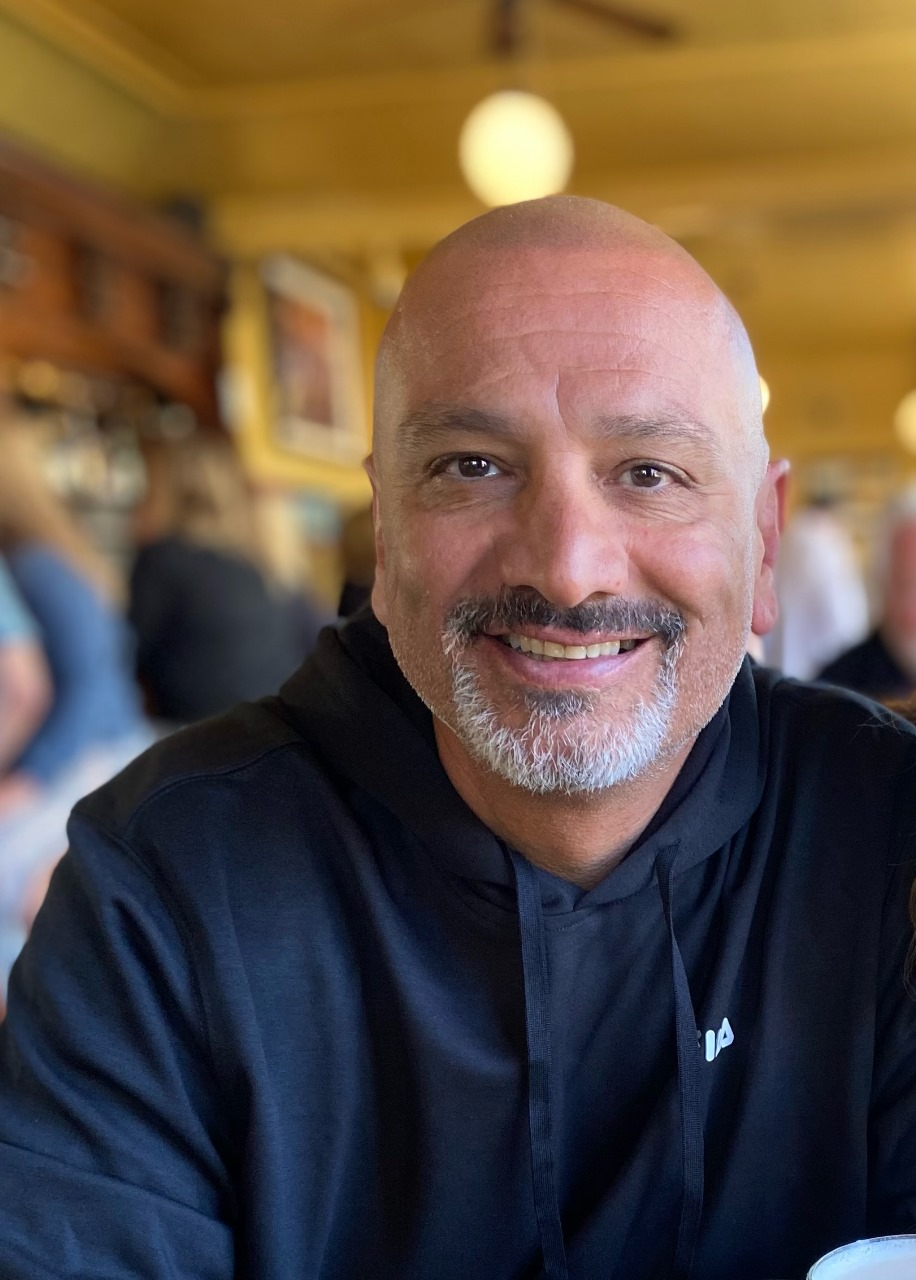
Andy Sharifi
Position
Andy Sharifi is the founder and owner of Vein & Wound Experts. He oversees the clinic, ensuring exceptional service and a patient-focused approach to vein care. Andy is dedicated to creating a comfortable and supportive environment for every patient.