

🦵 Why Your Legs Feel Full or Under Pressure
A sensation of fullness or pressure in the legs is easy to dismiss, especially when there is no severe pain or obvious swelling. Many people assume they are simply tired after a long day or that the feeling is part of getting older. However, persistent pressure inside the legs can be one of the earliest signs that the veins are no longer circulating blood as efficiently as they should. Healthy veins constantly work against gravity to return blood to the heart. When this system begins to fail, pressure gradually builds inside the veins and surrounding tissues, often producing symptoms long before visible varicose veins or skin changes appear. As a phlebologist, I frequently diagnose vein disease in patients whose only complaint was that their legs felt unusually “full” or “tight.” Recognizing this subtle symptom early allows treatment to begin before chronic venous insufficiency progresses to persistent swelling, skin damage, or venous ulcers.
🌡️ Why Do My Legs Feel Full or Pressurized?
Healthy vein valves keep blood moving upward toward the heart. When those valves weaken, blood flows backward and begins to collect in the lower legs. This process, known as venous reflux, increases pressure inside the veins and allows fluid to gradually move into nearby tissues.
Instead of causing immediate swelling, the increased pressure often creates a sensation that the legs are unusually heavy, tight, or filled with pressure. Many patients describe feeling as though their legs are carrying extra weight, even when no visible changes are present.
🩺 How Chronic Venous Insufficiency Creates Pressure in the Legs
The veins in your legs depend on the calf muscles to help pump blood upward with every step. When vein valves no longer close properly, this natural pumping system becomes less efficient.
Over time, blood remains in the lower legs longer than it should, increasing venous pressure throughout the day. As this pressure rises, the surrounding tissues begin to react. Patients frequently notice heaviness, aching, fatigue, mild swelling around the ankles, or a persistent feeling that the legs are under internal pressure.
Symptoms often become worse after standing for long periods, sitting without movement, or spending time in warm weather. Elevating the legs frequently provides temporary relief because gravity is no longer working against the circulation.
⚠️ Symptoms That May Point to an Underlying Vein Problem
A feeling of fullness alone does not always indicate vein disease, but when it appears together with other symptoms, venous insufficiency becomes a more likely explanation.
Common warning signs include:
- 🟢 Heavy or pressurized legs that worsen by evening
- 🟢 Aching after prolonged standing or sitting
- 🟢 Relief when the legs are elevated
- 🟢 Mild ankle swelling or sock marks
- 🟢 Spider veins or developing varicose veins
- 🟢 Skin itching, discoloration, or dryness near the ankles
These symptoms reflect increasing pressure inside the venous system and should not be ignored if they become persistent.
💙 Why Early Evaluation Is Important for Long-Term Vein Health
Many patients wait until visible varicose veins appear before seeking medical advice. In reality, chronic venous insufficiency often develops quietly over several years while symptoms gradually become more noticeable.
As venous pressure continues to increase, it can damage the skin and surrounding tissues. Without treatment, patients may develop chronic swelling, inflammation, skin thickening, brown discoloration, and venous leg ulcers that require specialized wound care.
A duplex ultrasound examination provides a detailed assessment of blood flow and allows physicians to identify malfunctioning vein valves before complications become advanced.
🌿 Improving Circulation Before Symptoms Progress
Reducing venous pressure begins with improving overall circulation. Walking regularly activates the calf muscles, which serve as a natural pump for moving blood back toward the heart. Maintaining a healthy weight, avoiding prolonged periods of sitting or standing, elevating the legs after daily activities, and using compression stockings when medically recommended may all reduce discomfort.
When diagnostic imaging confirms chronic venous insufficiency, minimally invasive vein treatments can close damaged veins and redirect blood through healthier pathways. These procedures address the source of elevated venous pressure rather than simply masking symptoms, allowing many patients to experience lasting improvements in comfort and mobility.
📍 Persistent Pressure in Your Legs Should Not Be Ignored
Legs that regularly feel full, heavy, or under pressure are often signaling that circulation is becoming less efficient. Although these symptoms may seem minor at first, they can represent the earliest stages of chronic vein disease long before obvious swelling or enlarged veins appear.
Seeking a professional vein evaluation can identify the cause before long-term damage develops. Early diagnosis and appropriate treatment help restore healthier circulation, reduce daily discomfort, and lower the risk of future complications such as chronic swelling, skin changes, and venous ulcers.
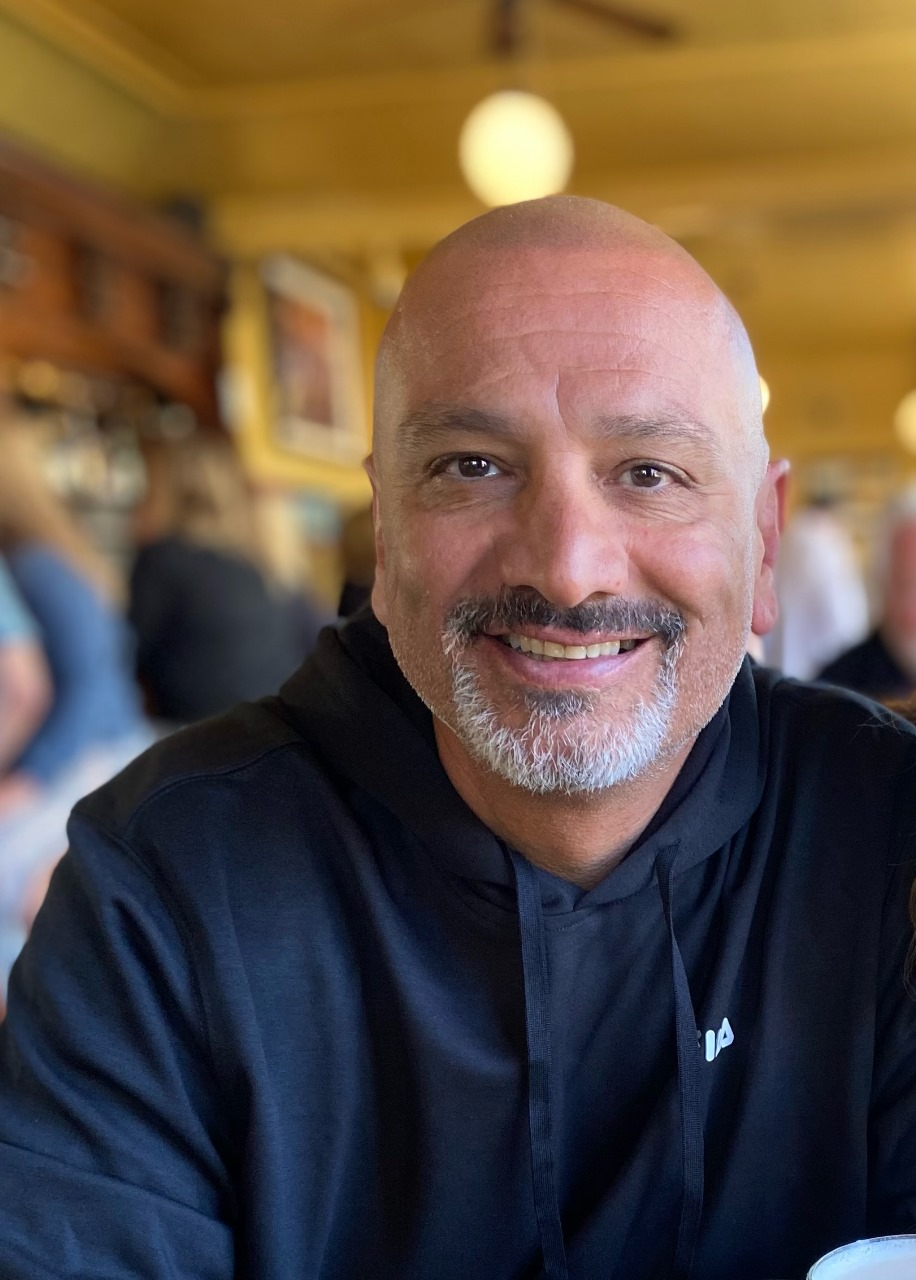
Andy Sharifi
Position
Andy Sharifi is the founder and owner of Vein & Wound Experts. He oversees the clinic, ensuring exceptional service and a patient-focused approach to vein care. Andy is dedicated to creating a comfortable and supportive environment for every patient.