

How to Prepare for Your Upcoming Sclerotherapy Session
A good sclerotherapy session starts before you walk into the treatment room. The way you prepare can affect comfort, appointment flow, and how smoothly your legs respond afterward. Most steps are simple, but they matter. Wearing the right clothes, knowing what to avoid, and discussing medications ahead of time can help your visit feel more organized and less stressful.
✅ Why Preparation Matters Before Sclerotherapy
Sclerotherapy is a minimally invasive treatment, but it still works best when the skin, veins, and patient are properly prepared.
Supporting Treatment Effectiveness
During sclerotherapy, a specialized solution is injected into targeted veins. The goal is to irritate the vein lining, close the treated vein, and allow blood to reroute through healthier vessels. Good preparation helps the provider clearly access the treatment area and follow the plan created during your evaluation.
Improving Comfort
Small choices can make the session easier. Loose clothing, comfortable shoes, and clean skin can help reduce unnecessary irritation. Patients who know what to expect also tend to feel calmer during the appointment.
Reducing Recovery Concerns
Preparation also helps prevent avoidable issues after treatment. For example, discussing medications ahead of time can help your provider identify anything that may increase bruising or affect healing. Following pre-care instructions also makes it easier to transition into aftercare, including walking and compression use when recommended.
👖 What Patients Should Do Before Treatment
Before sclerotherapy treatment, patients usually receive specific instructions from the clinic. These may vary depending on the treatment area, medical history, and the type of veins being treated.
Clothing Recommendations
Wear loose, comfortable clothing to your appointment. Many patients prefer shorts, a skirt, or loose pants that are easy to remove or adjust. Tight leggings or fitted clothing may feel uncomfortable after treatment, especially if compression stockings or bandages are applied. Comfortable walking shoes are also a good idea because patients are often encouraged to walk after treatment.
Medication Discussions
Tell your provider about all medications, supplements, and over-the-counter products you take. This includes blood thinners, anti-inflammatory medications, aspirin, herbal supplements, and anything prescribed by another doctor. Do not stop a medication on your own. The clinic will guide you on what is safe based on your health history. This conversation is especially important for patients with a history of blood clots, bleeding concerns, allergies, or previous vein procedures.
Hydration and Activity Guidance
Try to stay well hydrated before your appointment unless your doctor has given you different instructions. It is also helpful to keep your routine light and normal. A gentle walk before treatment is usually fine, but avoid doing anything extreme that could irritate the legs or leave you sore before the session.
🚫 What to Avoid Before Your Appointment
Preparing for vein injections is also about knowing what not to do.
Certain Skin Products
Avoid applying lotion, oils, creams, or heavy moisturizers to your legs on the day of treatment unless your clinic tells you otherwise. These products can make it harder to clean the skin properly and may interfere with marking or treating the area. It is usually best to arrive with clean, dry skin.
Excessive Sun Exposure
Avoid excessive sun exposure or tanning before your appointment, especially on the area being treated. Irritated or sunburned skin may be more sensitive during treatment. If your skin is red, peeling, or inflamed, let the clinic know before your visit.
Last-Minute Schedule Mistakes
Do not schedule your appointment too close to an event, vacation, or activity where you need your legs to look clear right away. Mild bruising, tenderness, or temporary marks can happen after treatment. Some patients may also need to wear compression stockings for a period of time, depending on the provider’s instructions. Give your legs enough time to recover without unnecessary pressure.
🩺 What Happens on Treatment Day
On the day of your session, the team will usually review your treatment plan and confirm the areas being treated. Your legs may be cleaned, and the provider may mark the target veins. The sclerotherapy solution is then injected into the selected veins using a fine needle. Some patients feel mild stinging, pressure, or cramping during the injections, but the session is typically well tolerated.
After treatment, compression may be applied if recommended. You may also receive aftercare instructions, including walking guidance, activity limits, and what symptoms are normal during recovery. Most patients can return to regular daily activities soon after the appointment, but every plan should be based on the provider’s instructions.
🏥 How Vein & Wound Experts Prepares Patients for Success
Vein & Wound Experts helps patients prepare with clear instructions before treatment begins. The team reviews your symptoms, medical history, treatment goals, and any concerns that may affect your care. If sclerotherapy is recommended, you will receive guidance on what to wear, what to avoid, what to bring, and what to expect during and after the session.
This step-by-step preparation helps patients feel more confident and allows the treatment plan to be tailored to the veins being addressed. Whether you are preparing for spider vein treatment or a follow-up session for remaining surface veins, the goal is to make the process clear, comfortable, and medically appropriate.

❓ Frequently Asked Questions
Should I Shave My Legs Before Treatment?
Ask your clinic for specific instructions. Many providers recommend avoiding shaving on the day of treatment because it can irritate the skin before injections.
Can I Take Medications Before Sclerotherapy?
Tell your provider about all medications and supplements before your appointment. Do not stop prescribed medication unless your doctor or treatment team instructs you to do so.
How Long Does Treatment Take?
The treatment time depends on the number of veins being treated. Many sessions are completed in a relatively short office visit, but your provider can give a more accurate estimate based on your treatment plan.
Do I Need Someone to Drive Me Home?
Most patients do not need a driver after sclerotherapy, but this can depend on your health history, treatment plan, and comfort level. Ask the clinic before your appointment if you are unsure.
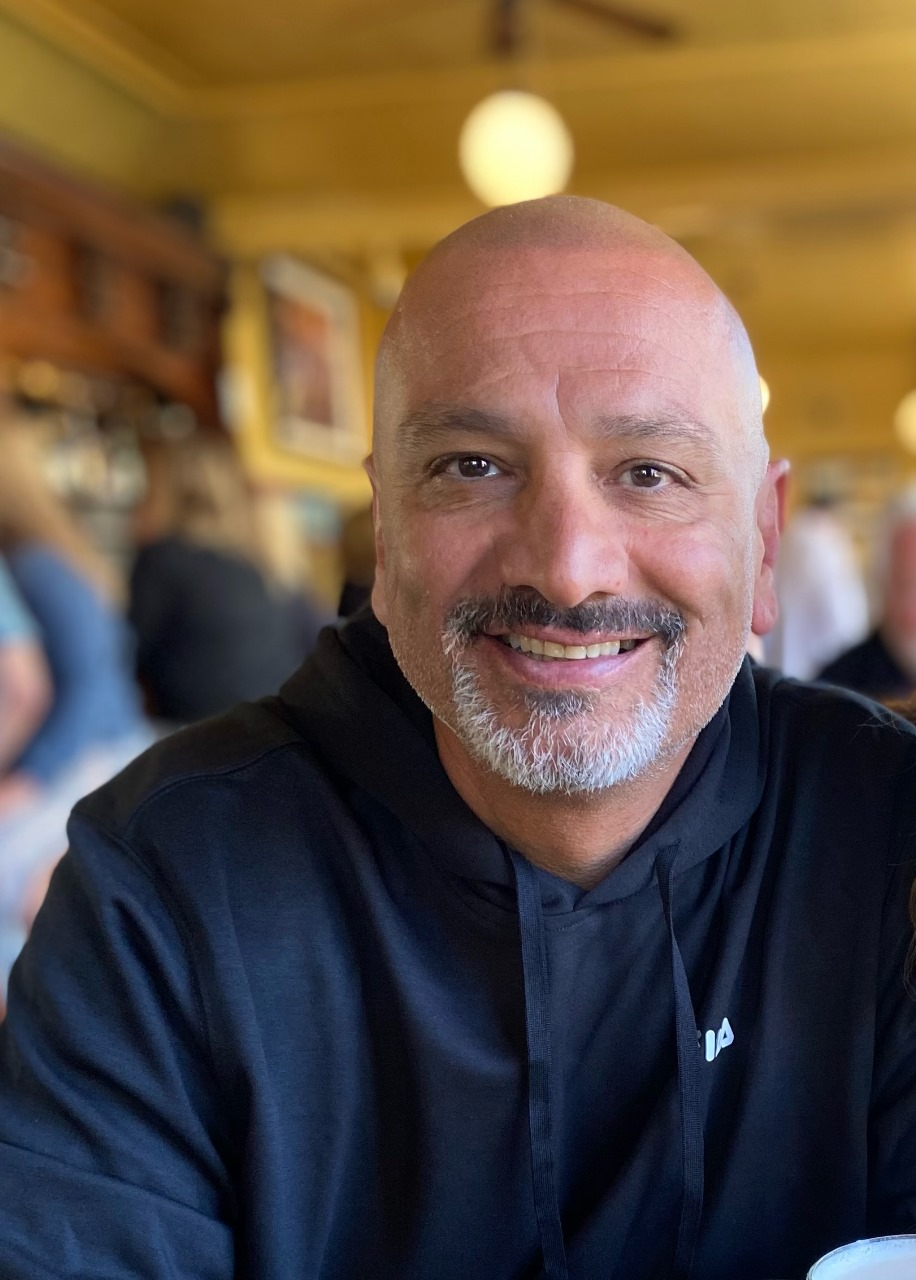
Andy Sharifi
Position