

Why Top Vein Specialists Choose RFA Over Surface Lasers
A surface laser can fade a small visible vein. But if the real problem is deeper inside the leg, fading what appears on the skin may not be enough. That is why many vein specialists look beyond appearance before recommending treatment. For severe leg vein issues, the better question is not “Which treatment removes the visible vein?” It is “Which treatment addresses the vein causing the pressure?”
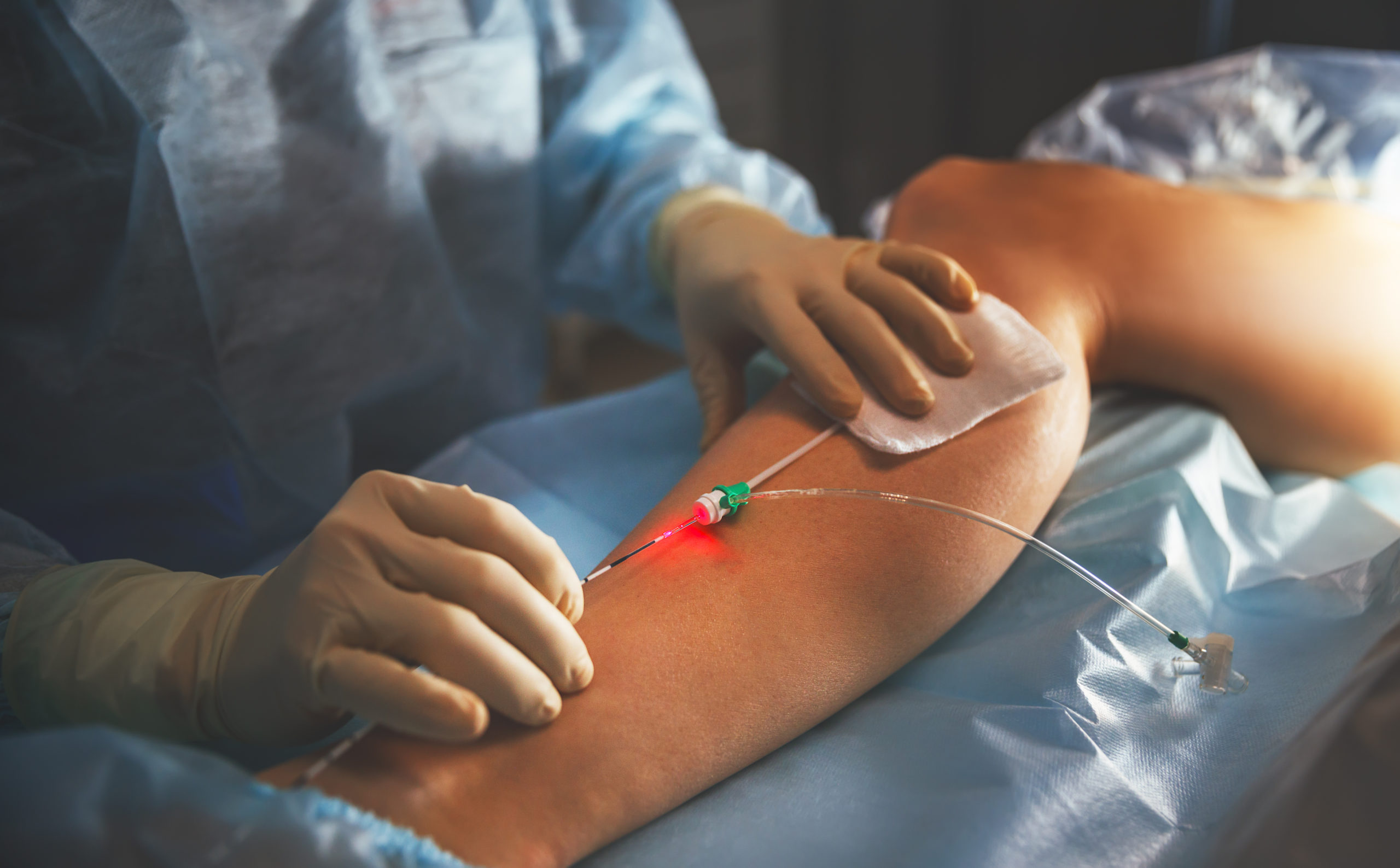
🔦 How Surface Laser Treatments Work
Surface laser treatments can be helpful in the right situation, but they are not designed for every type of vein problem.
How Surface Lasers Work
Surface lasers use focused light energy on veins close to the skin. The heat affects the targeted vessel, causing it to fade over time. This approach does not require injections or a catheter, which is why some patients ask about it first. It sounds simple, but it has limits depending on the size, depth, and cause of the vein issue.
Typical Applications
Surface lasers are usually considered for smaller veins that sit close to the skin, especially when the main concern is appearance. They may be used for tiny spider veins, facial veins, or very fine vessels that do not involve deeper circulation problems. However, leg vein issues are not always surface-level. If aching, swelling, heaviness, or bulging veins are present, a specialist may need to check whether a deeper vein is creating the pressure.
Limitations of Laser Therapy
The main limitation of surface lasers is that they may not address the deeper source of the problem. If blood is pooling because a larger vein is not working properly, fading smaller visible veins may not correct the pressure behind them. This is why RFA and surface lasers should not be compared as simple cosmetic options. The right choice depends on whether the concern is close to the skin or connected to deeper vein reflux.
🩺 Why RFA Has Become the Preferred Option
Radiofrequency Ablation, also called RFA, is often recommended when the goal is to treat the problem vein from the inside.
Treating Underlying Vein Disease
RFA is used for veins that are not moving blood properly because of valve dysfunction. During the procedure, a thin catheter is placed into the problem vein using ultrasound guidance. Radiofrequency energy is then used to heat and close the vein. Once the damaged vein is sealed, blood naturally redirects through healthier veins.
This makes RFA different from basic laser treatment on the skin. It targets the vein contributing to pressure, swelling, heaviness, and discomfort.
Higher Success Rates
One of the major radiofrequency ablation benefits is that it is designed to treat larger problem veins with precision. Because ultrasound is used to guide the procedure, the specialist can identify the affected vein and treat the source more directly. This is especially important when visible veins are connected to deeper venous reflux. For patients with more advanced symptoms, this targeted approach can be more appropriate than treating only what appears on the surface.
Long-Term Symptom Relief
When a damaged vein continues to create pressure, symptoms may keep returning. RFA can help reduce the pressure caused by poor vein function. For many patients, this may improve symptoms such as leg heaviness, aching, swelling, and discomfort. Long-term results depend on proper diagnosis, the severity of the condition, and whether the right veins are treated in the right order.
💉 When Sclerotherapy Is Also Recommended
RFA may treat the larger source of the problem, but smaller veins may still need attention afterward. This is where sclerotherapy can be useful.
Residual Spider Veins
After the deeper vein issue is treated, some smaller spider veins may remain visible. Sclerotherapy can be used to target these smaller veins through injection-based treatment. This helps close the selected surface veins so they gradually fade.
Cosmetic Refinement
Some patients need treatment for comfort. Others also want the legs to look clearer after the medical issue has been addressed. Sclerotherapy may help refine the cosmetic result by treating smaller visible vessels that RFA is not meant to target.
Combination Approaches
Modern vein treatment options often work best when they are planned in stages. For example, RFA may be used first to treat a larger damaged vein. Sclerotherapy may then be recommended later for smaller remaining veins. This approach can help address both the underlying vein problem and the visible surface concerns.
🏥 How Vein & Wound Experts Chooses Advanced Treatment Strategies
Vein & Wound Experts does not choose treatment based on appearance alone. The team evaluates symptoms, visible vein changes, medical history, and ultrasound findings to determine whether the problem is surface-level or connected to deeper vein disease.
If the issue involves smaller surface veins, sclerotherapy or other cosmetic-focused options may be recommended. If a larger vein is causing reflux, Radiofrequency Ablation may be the more appropriate treatment. The goal is to choose the treatment strategy that matches the actual cause of the problem, not just the vein that is easiest to see
❓ Frequently Asked Questions
Are Surface Lasers Effective for Varicose Veins?
Surface lasers may help with smaller visible veins, but they are usually not the best option for larger veins caused by deeper valve problems. A vein evaluation can help determine whether the issue is cosmetic or medical.
Why Do Specialists Prefer RFA?
Specialists may prefer RFA when a larger vein is causing poor blood flow or reflux. RFA treats the problem vein from inside, which can help reduce pressure and related symptoms.
Can Lasers Replace Vein Ablation?
Surface lasers usually cannot replace vein ablation when deeper vein disease is present. Ablation is designed to treat problem veins beneath the surface.
Is RFA Painful?
RFA is usually performed with local numbing. Patients may feel pressure, warmth, or mild discomfort, but the procedure is generally well tolerated. Recovery instructions depend on the patient’s condition and treatment plan.

Andy Sharifi
Position